Atar — the Fire
Not a god, but the visible body of Asha. We tend a flame that, in our greater temples, has not been let die for centuries. Light is our witness and our judge.
Read the fire →
We are the keepers of an ember older than empires — carried out of Airyanəm Vaēǰah, through Persepolis and the silence of the towers, into the desert nights of Yazd. We do not seek you. If the fire is already in you, you will know these doors.
Enter only with Good Thought · Good Word · Good Deed
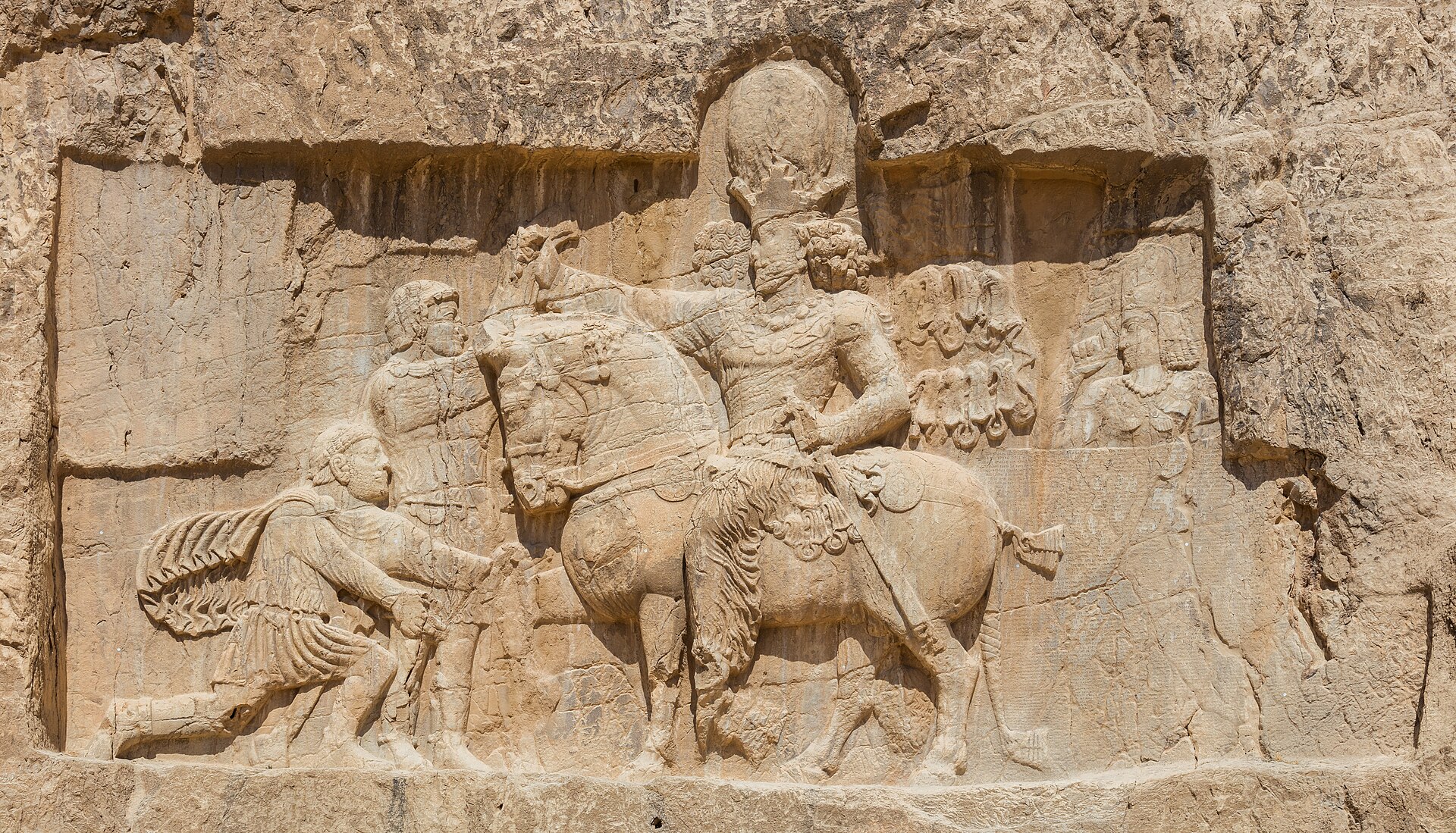
Carved above our threshold, as upon the tomb of Darius the Great at Naqsh-e Rostam — the oldest royal confession of the faith, in Old Persian cuneiform
𐎲𐎥 𐏐 𐎺𐏀𐎼𐎣 𐏐 𐎠𐎢𐎼𐎶𐏀𐎭𐎠 𐏐 𐏃𐎹 𐏐 𐎡𐎶𐎠𐎶 𐏐 𐎲𐎢𐎷𐎡𐎶 𐏐 𐎠𐎭𐎠 𐏐 𐏃𐎹 𐏐 𐎠𐎺𐎶 𐏐 𐎠𐎿𐎶𐎠𐎴𐎶 𐏐 𐎠𐎭𐎠 𐏐 𐏃𐎹 𐏐 𐎶𐎼𐎫𐎡𐎹𐎶 𐏐 𐎠𐎭𐎠 𐏐 𐏃𐎹 𐏐 𐏁𐎡𐎹𐎠𐎫𐎡𐎶 𐏐 𐎠𐎭𐎠 𐏐 𐎶𐎼𐎫𐎡𐎹𐏃𐎹𐎠
baga vazraka Auramazdā — hya imām būmim adā — hya avam asmānam adā — hya martiyam adā — hya šiyātim adā martiyahyā
“A great god is Ahura Mazda, who created this earth, who created yonder sky, who created mankind, who created happiness for mankind.”
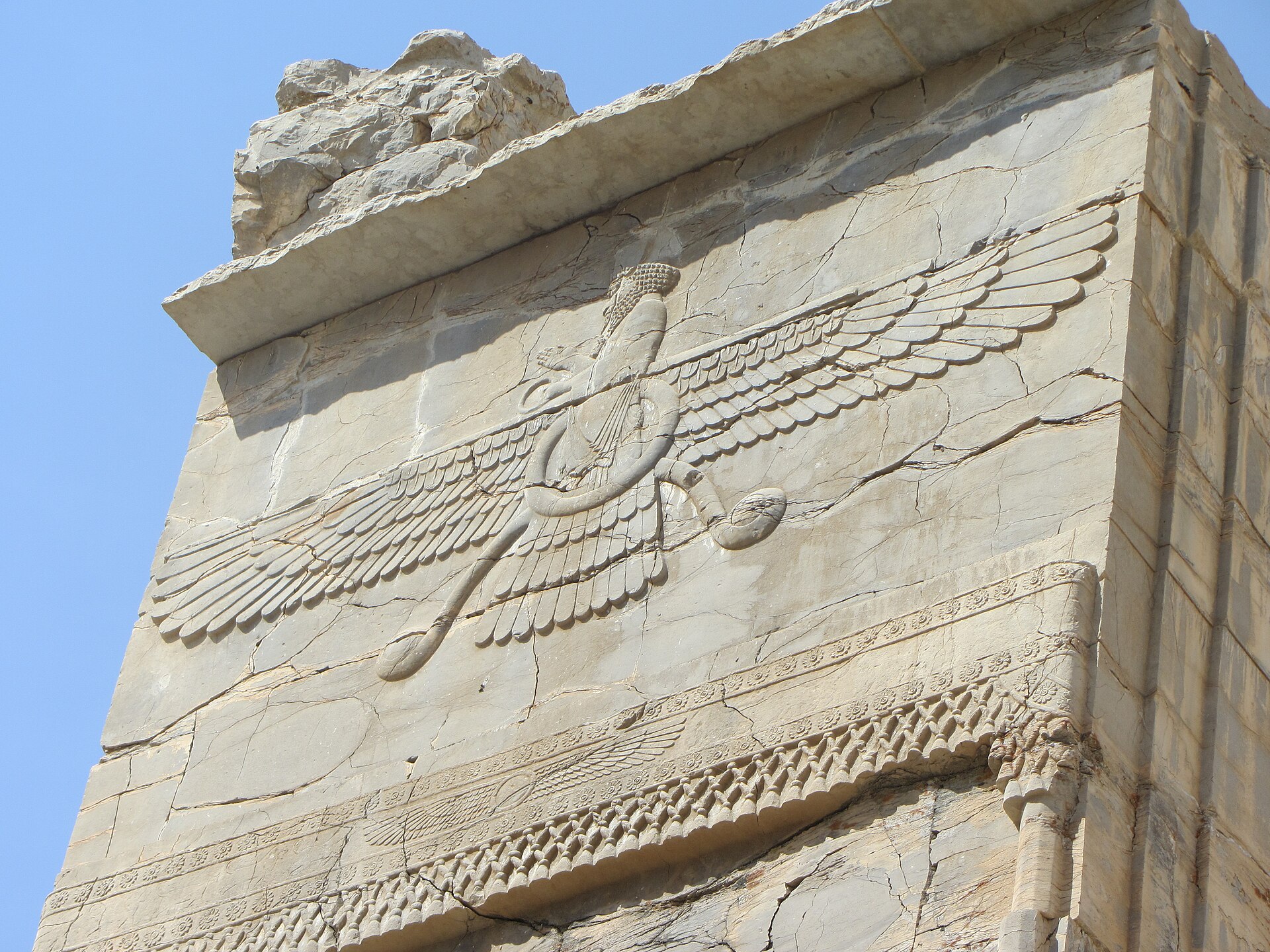
The Faravahar, cut into the limestone of the Apadana more than twenty-five centuries ago, where Darius and Xerxes received the nations of the world.
The Ashem Vohu — the most sacred utterance, spoken at every threshold
𐬀𐬴𐬆𐬨 𐬬𐬊𐬵𐬏 𐬬𐬀𐬵𐬌𐬱𐬙𐬆𐬨 𐬀𐬵𐬙𐬍ašəm vohū vahištəm astī · uštā astī uštā ahmāi · hyaṯ ašāi vahištāi ašəm
“Righteousness is the highest good, and it is radiance. Radiance to the one who is righteous for the sake of the highest Righteousness alone.”
Three thousand years ago, on the banks of a cold river, the prophet Zarathushtra Spitama heard a voice that named the world a battlefield between Asha, the Truth-Order that holds the cosmos together, and Druj, the Lie that unmakes it. Every soul is a soldier in that war. This Order keeps his fire literally and inwardly — and admits only those who have already chosen their side.
Not a god, but the visible body of Asha. We tend a flame that, in our greater temples, has not been let die for centuries. Light is our witness and our judge.
Read the fire →
The manthras of the Avesta are not poems but instruments — sound shaped to push back the dark. We speak them in the old tongue, exactly as received.
Hear the words →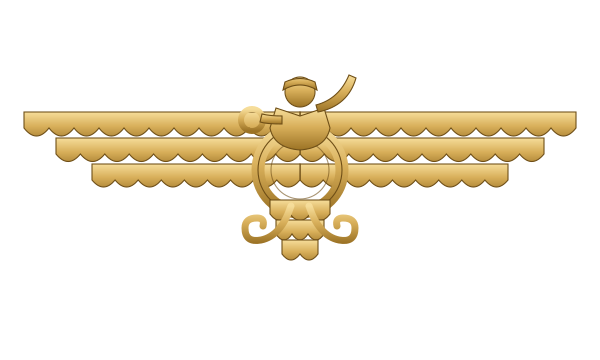
A single ethic, threefold: Humata, Hūxta, Huuaršta — Good Thoughts, Good Words, Good Deeds. We hold no creed you cannot live.
Take the measure →
Ātaš — kept since the old nights
We accept no one on their word alone. The hearth itself questions every petitioner through the Rite of Recognition — five trials drawn from the marrow of the tradition. The Lie cannot answer them. The faithful answer without thinking.
If five embers kindle for you, a sigil is struck in your name and the threshold opens toward the Keeper of the Flame.
Stone, water, and the oldest living tree — three witnesses in the desert of Yazd that have never once forgotten the fire.
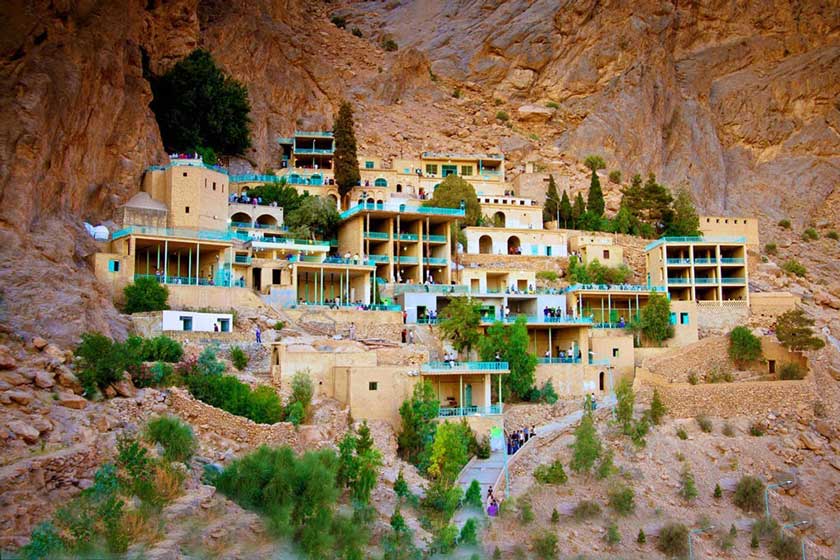
The spring that opened in the cliff for the fleeing princess Nikbānū still drips — čak, čak — and the faithful still climb to it.
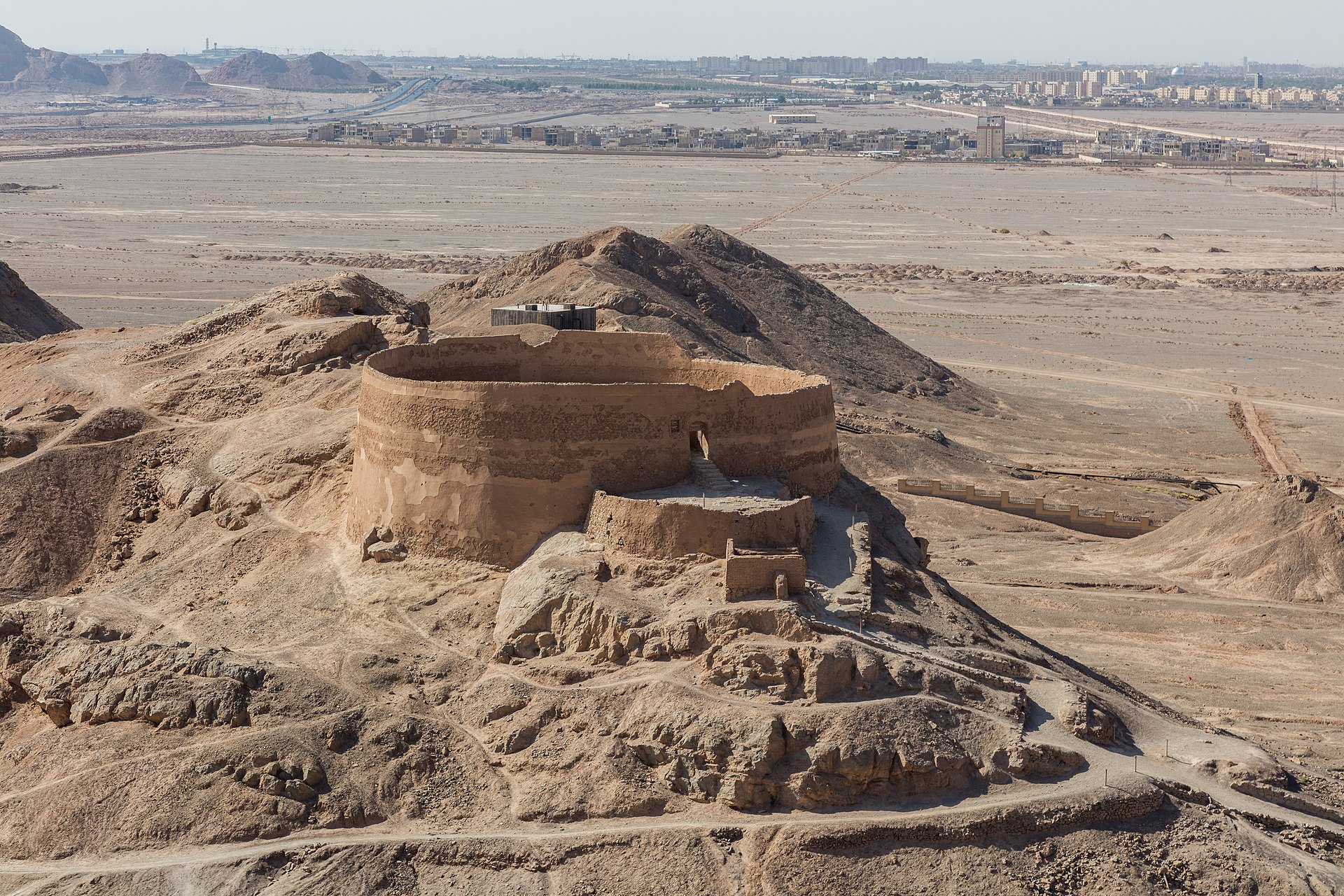
Where the dead were given to the sun and the birds, that neither earth nor fire nor water be defiled by corruption.
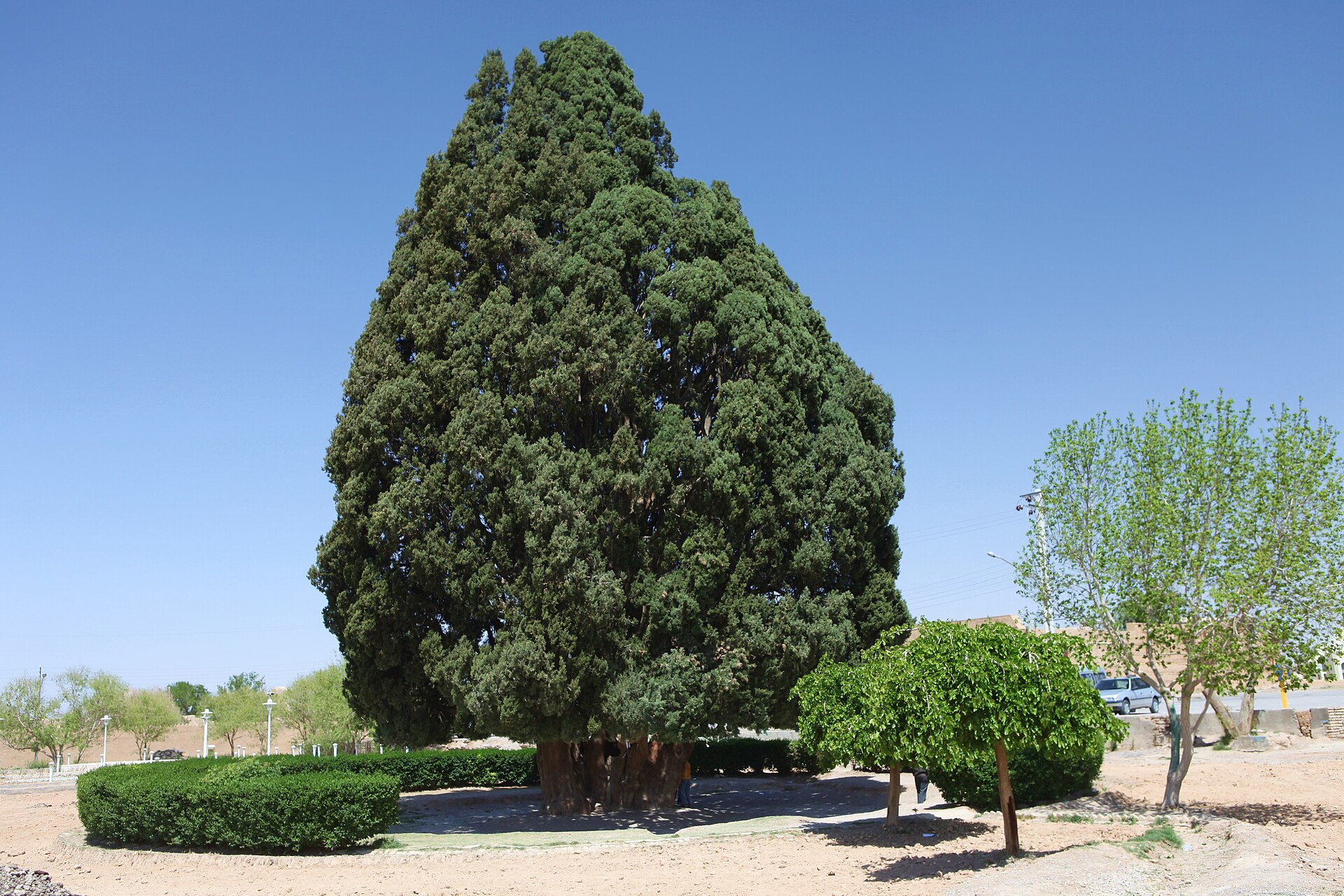
Four thousand years old, they say — a tree that was already ancient when Cyrus rode past it, still green against every winter.