The Reliquary
Here the Order keeps its relics in one hall — the stones of Pārsa, the fires of the desert, the painted kings of the Book, and the gold of a vanished court. None of it is ours by making; the photographers and museums of the world gave it freely, and we keep it with their names. Touch any relic to behold it whole.
The Stones of Pārsa
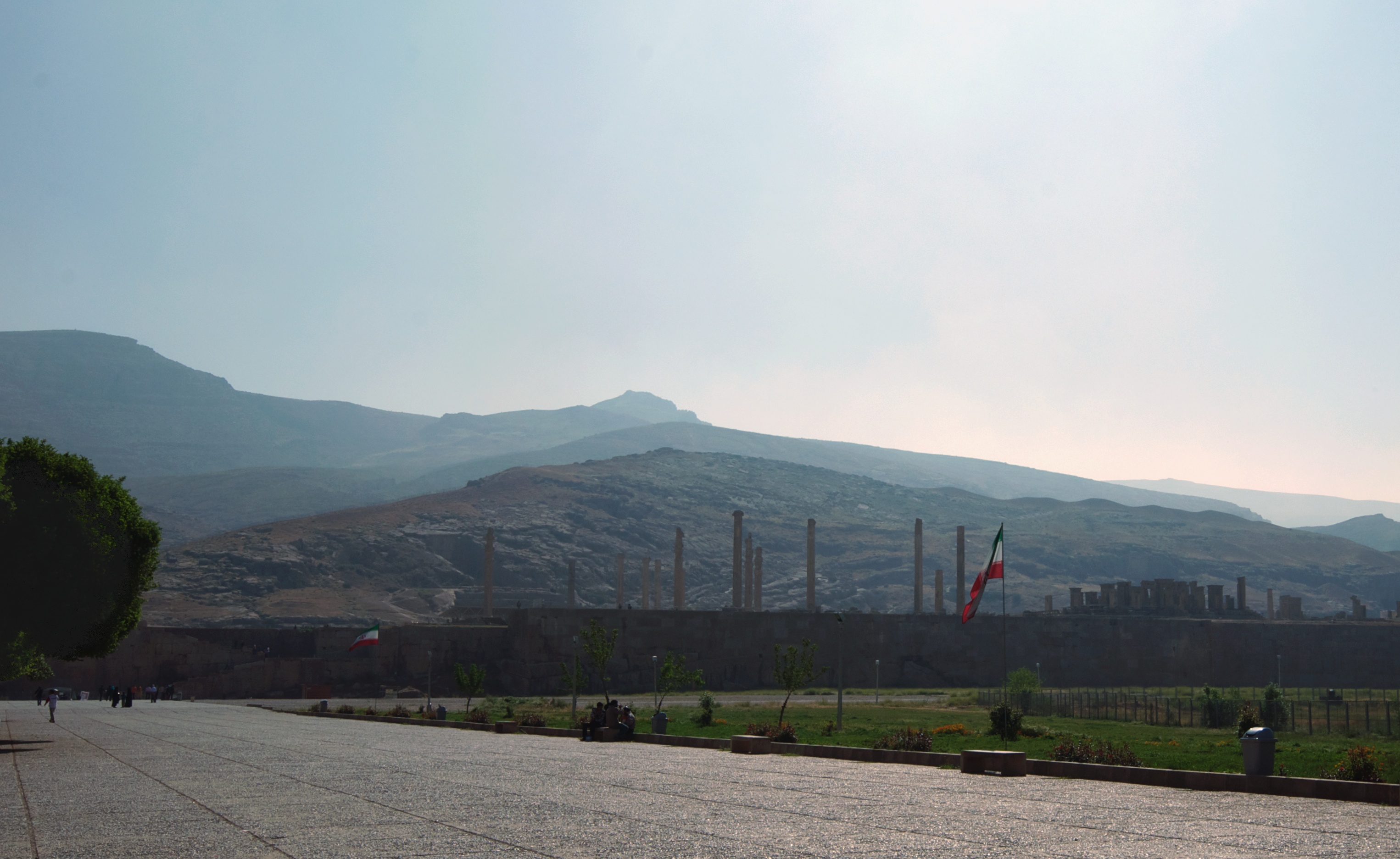
Approaching Persepolis
The road to the terrace of the King of Kings, the columns rising from the plain of Marv Dasht.
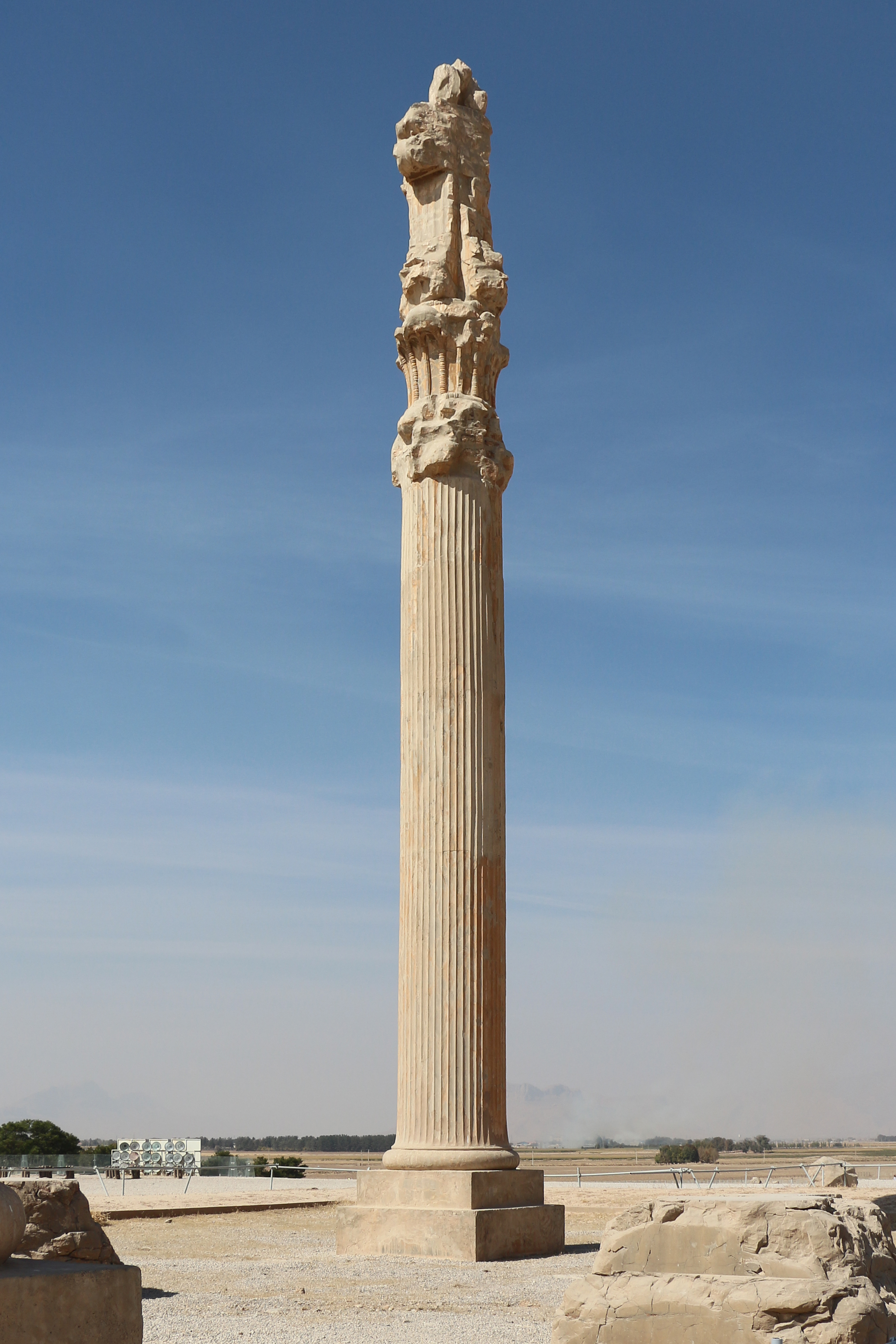
The Apadana Columns
Sixty-five feet of fluted stone, crowned with twin bulls, that once bore the cedar roof of the audience hall.
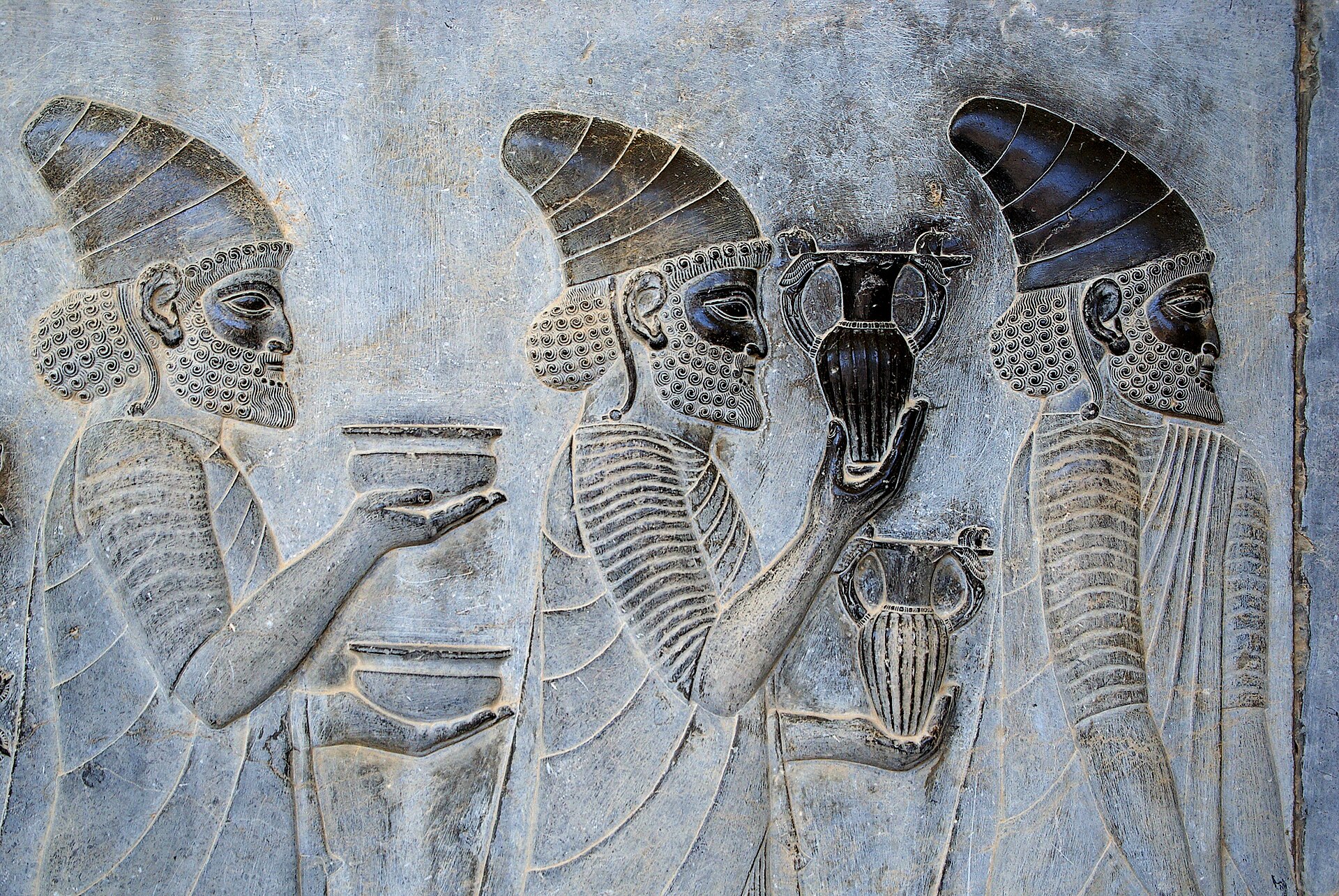
The Stair of Nations
The delegations of the empire climb forever toward the king at Nowruz, gift in hand.
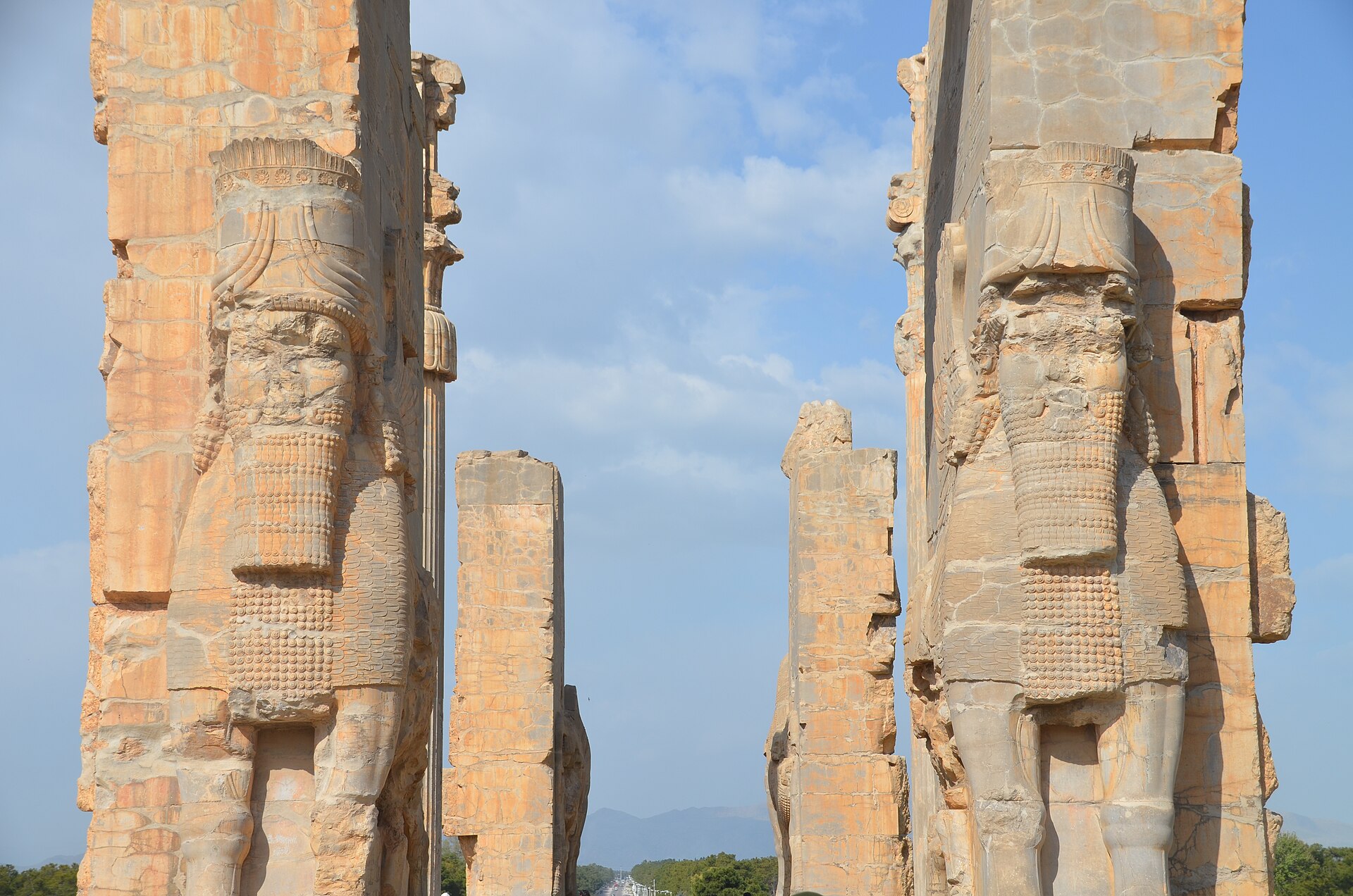
The Gate of All Nations
“I am Xerxes the Great King” — the threshold every envoy passed, guarded by the winged bulls.
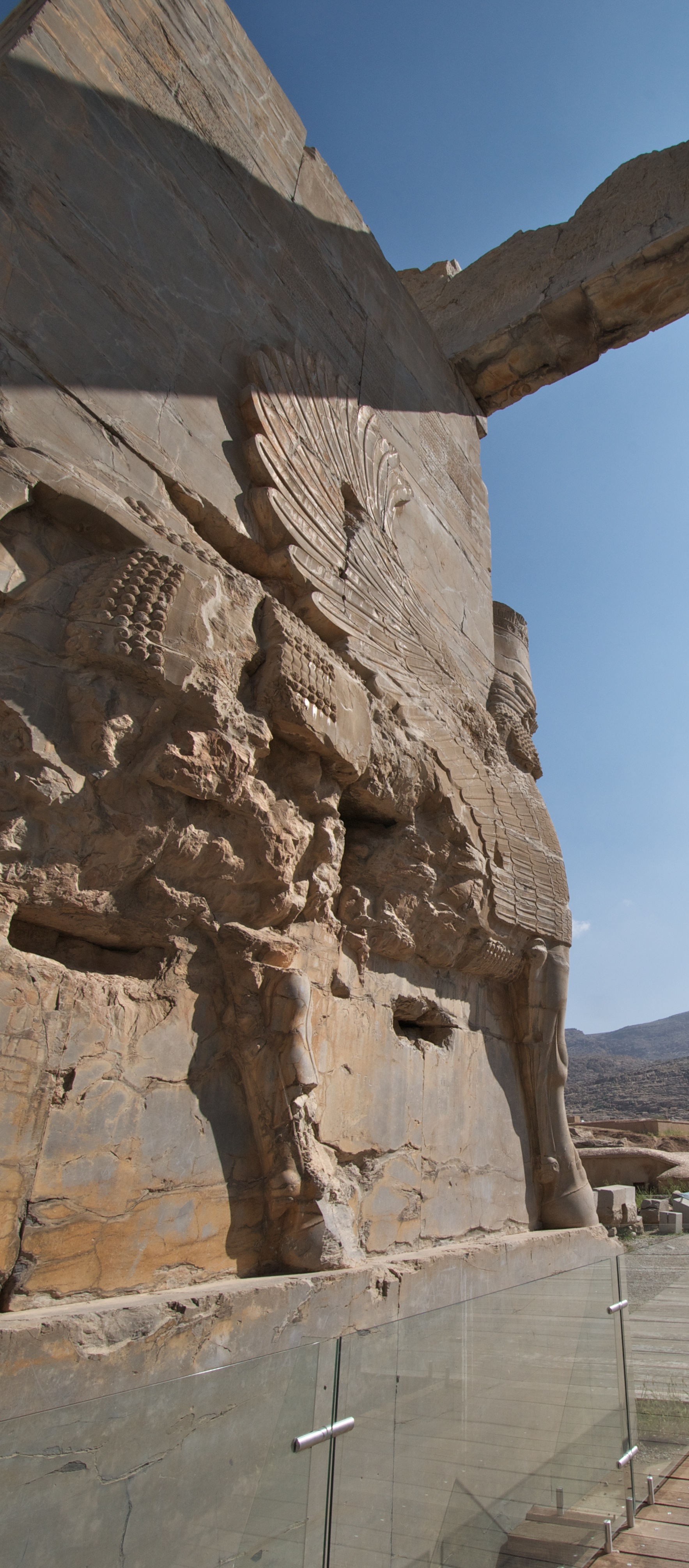
The Lamassu
The man-headed winged bull, watcher of the gate, set against every enemy of order.
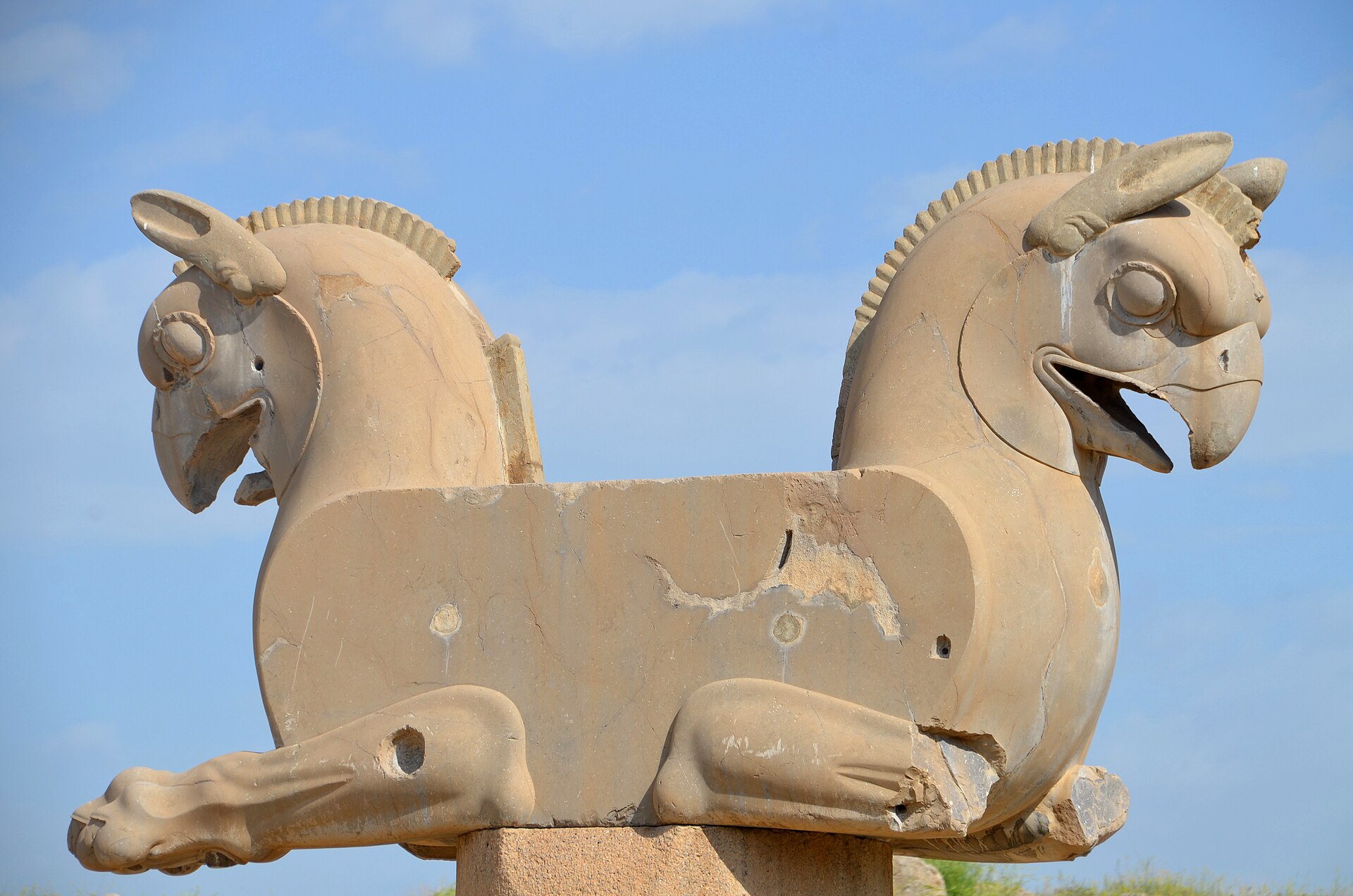
The Homā Capital
The double-griffin that crowned the columns — the bird of fortune turned to stone.
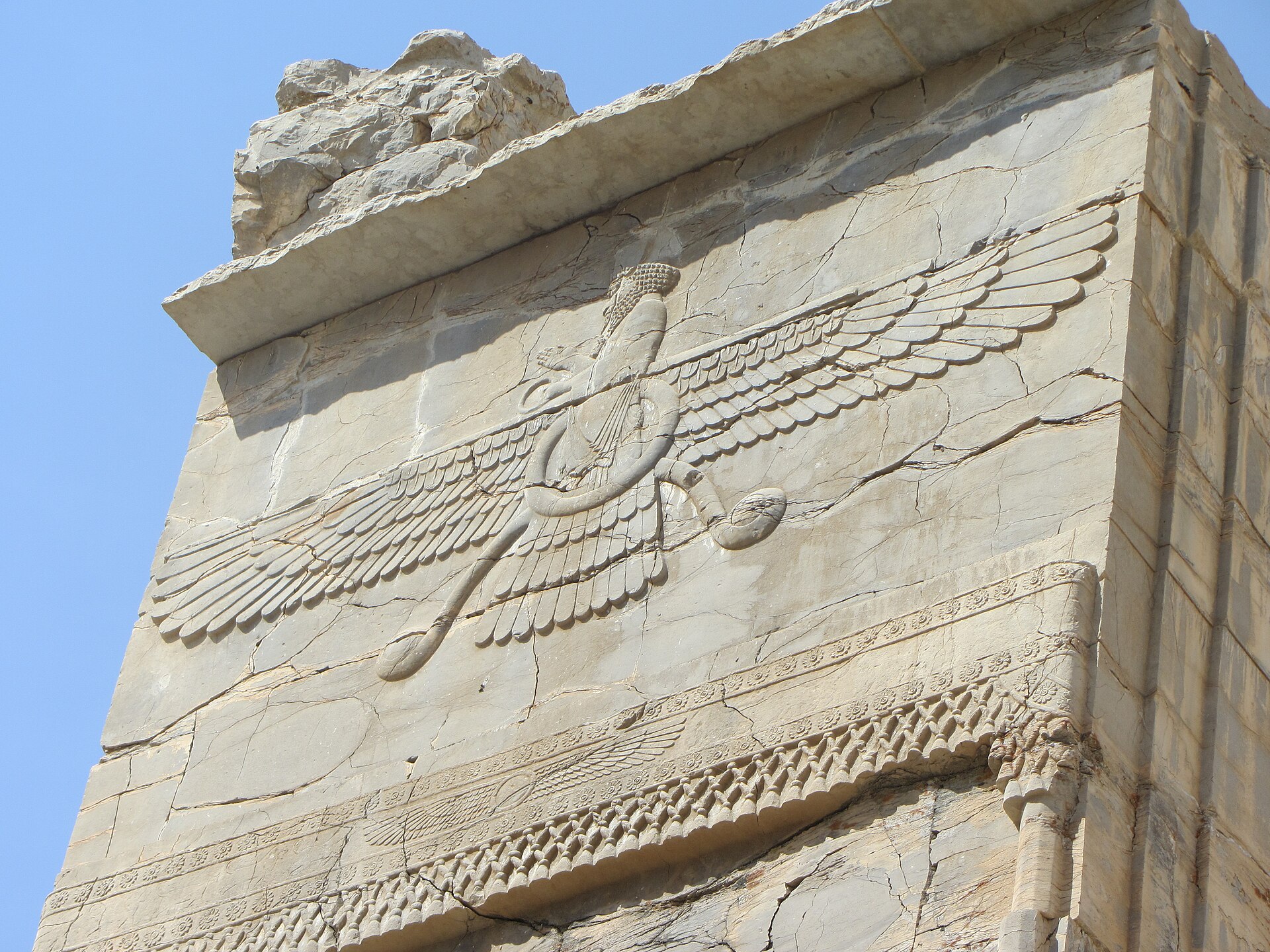
The Faravahar in Stone
The sign of the soul in flight, cut into the Apadana more than twenty-five centuries ago.
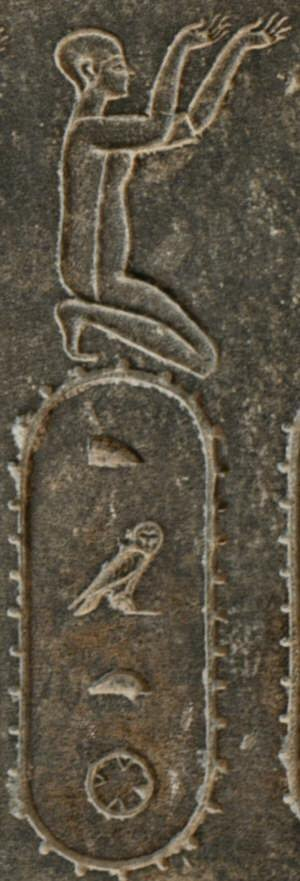
Darius Enthroned
The Treasury relief: the Great King in audience, the crown prince Xerxes standing behind the throne.
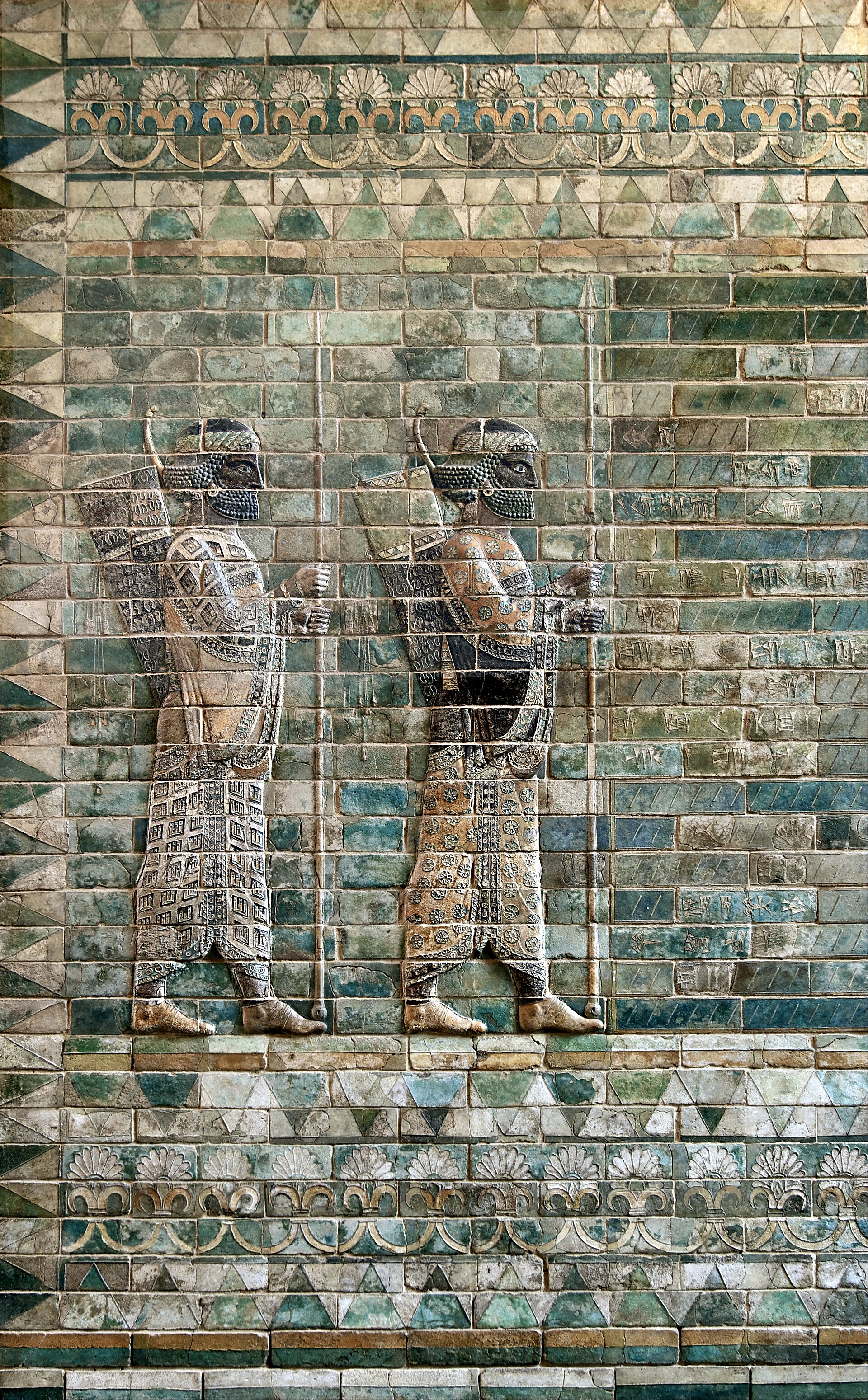
The Immortals
The glazed-brick archers of Susa — the ten thousand whose ranks were never allowed to thin.
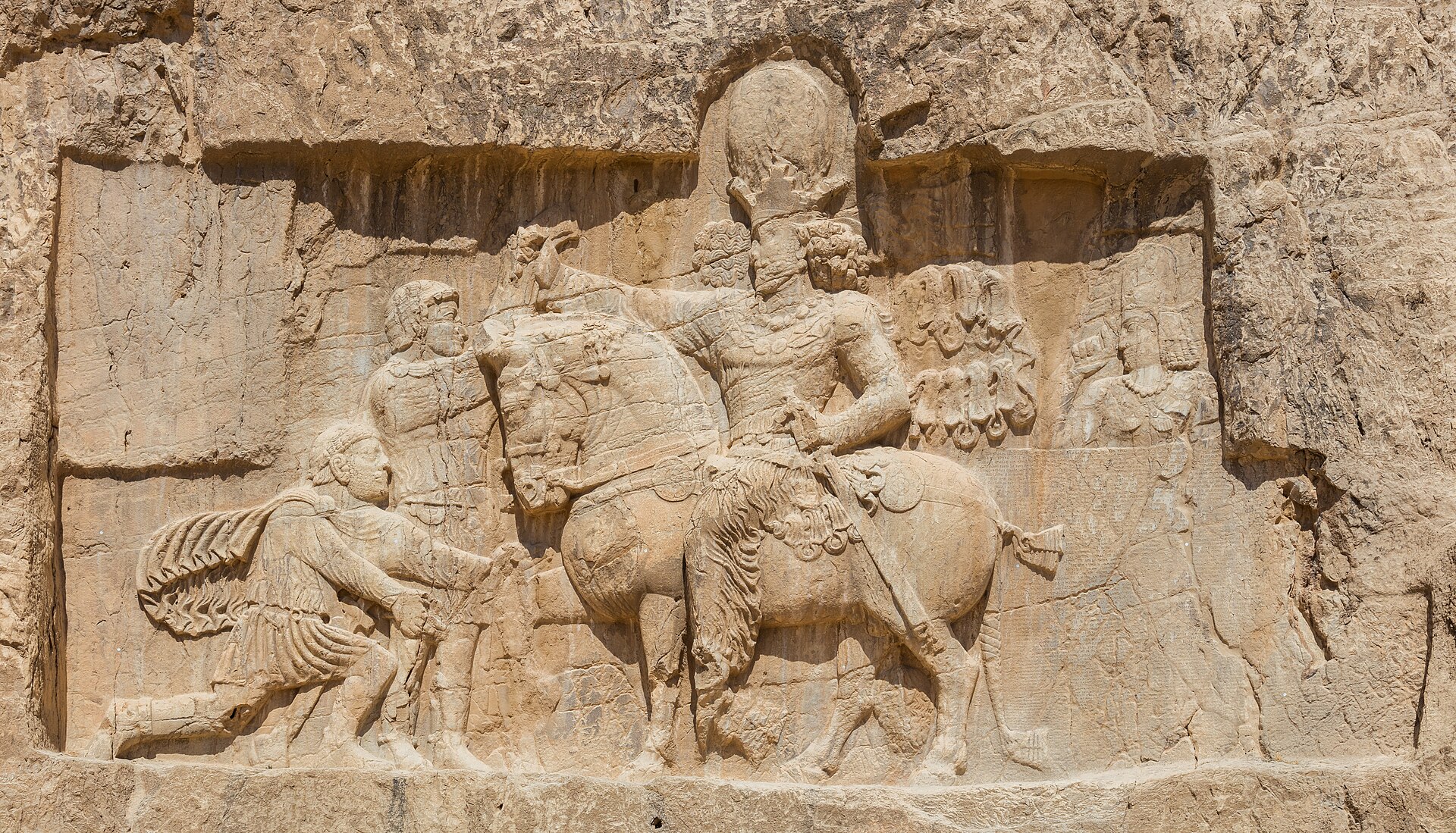
The Persian Crosses
The cliff-tombs of the Achaemenid kings at Naqsh-e Rostam, cut high above the plain.
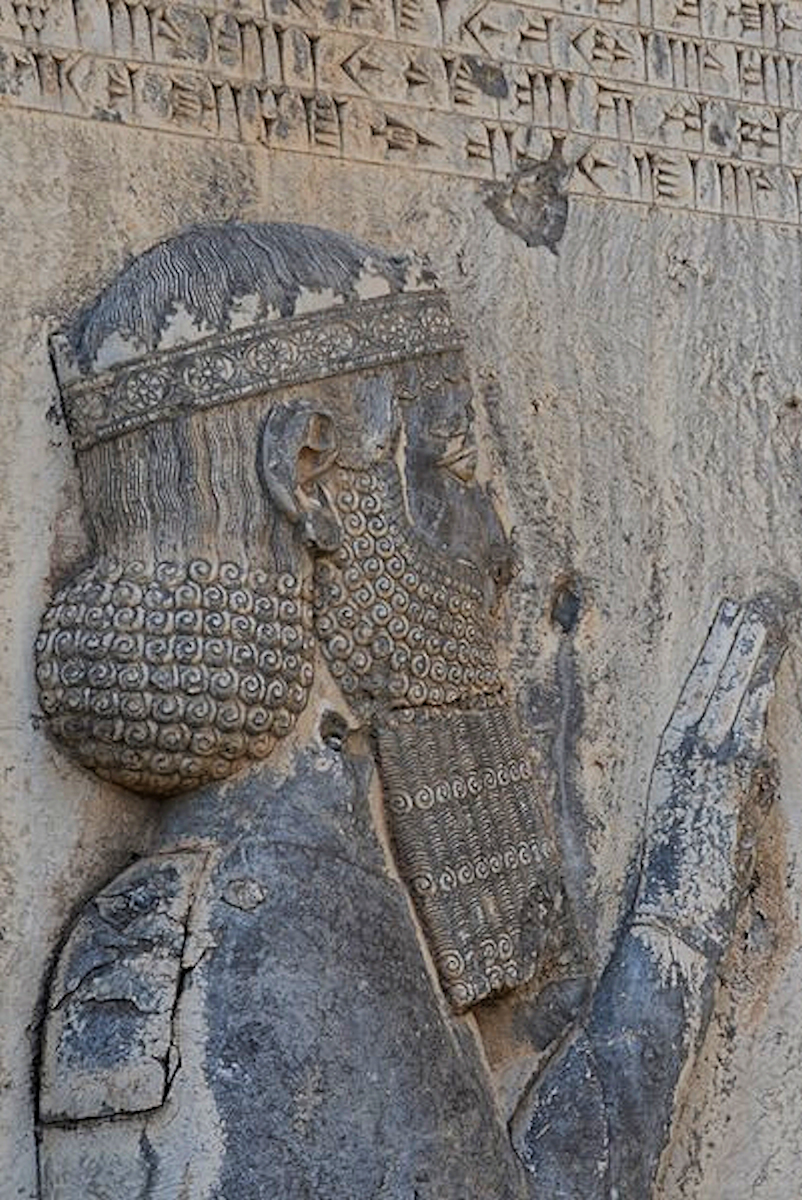
The Word at Behistun
Darius treads the lie underfoot and proclaims Ahura Mazda — the trilingual key to cuneiform.
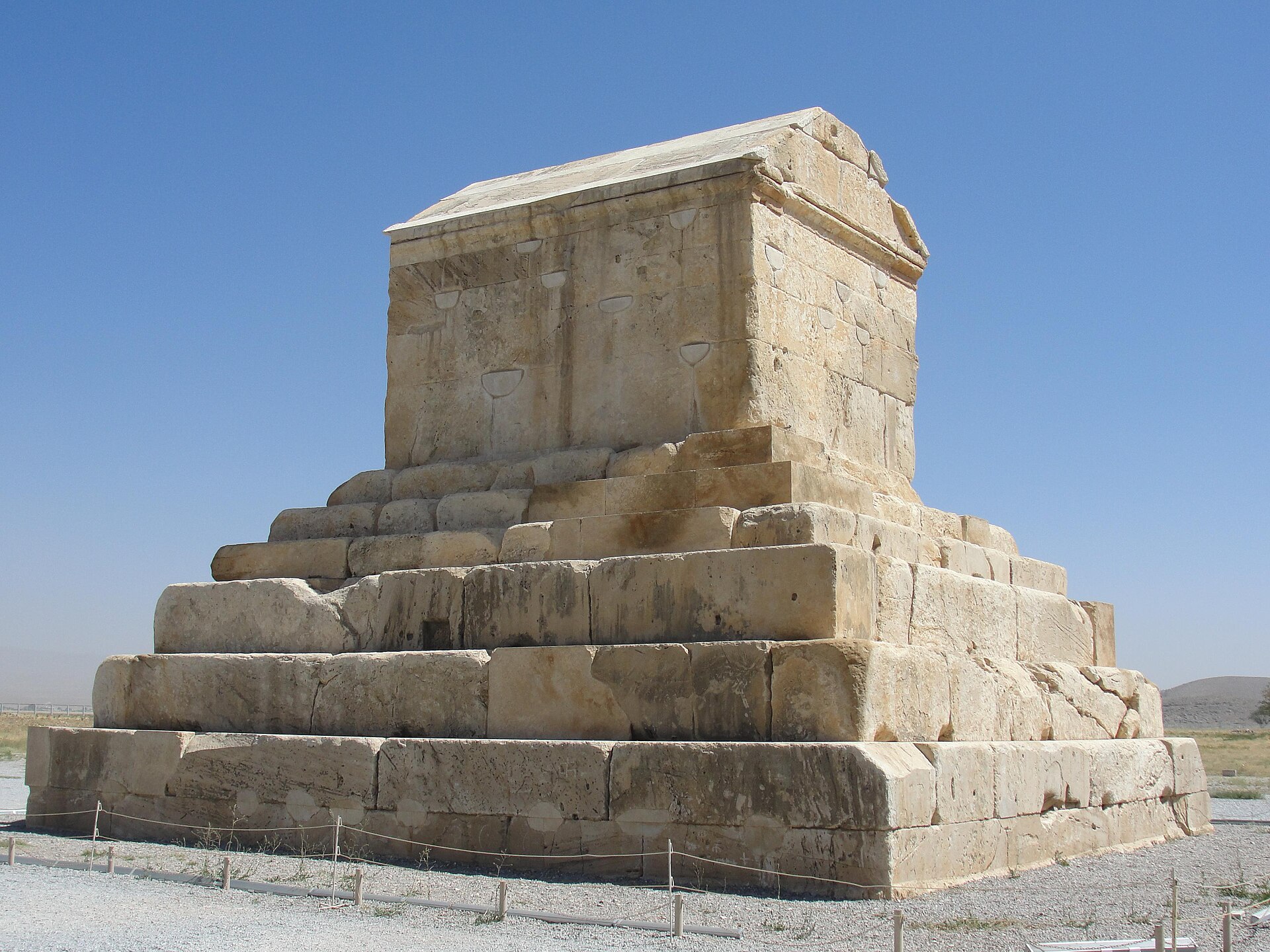
The Tomb of Cyrus
The plain six-stepped sepulchre at Pasargadae that has outlasted every palace.
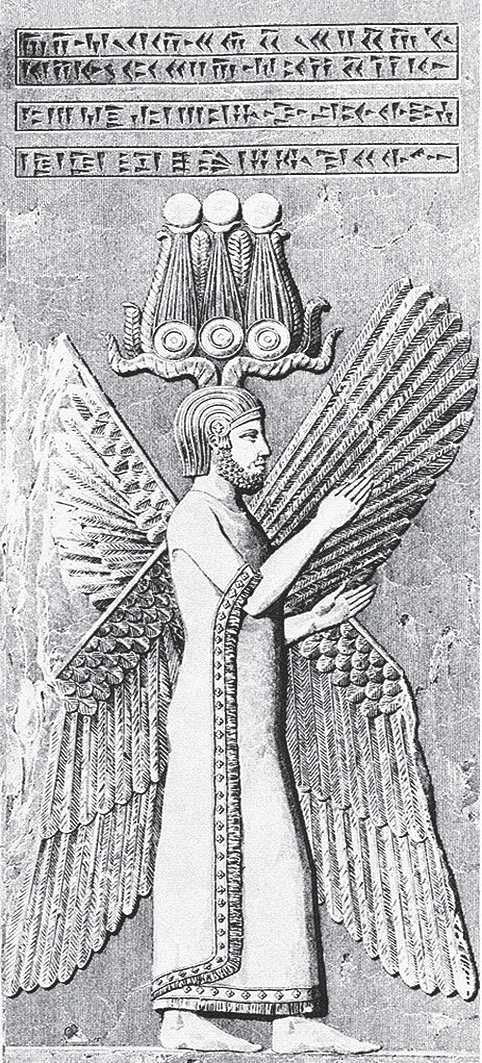
The Winged Genius
The four-winged guardian of Cyrus's gate, robed and crowned, neither wholly man nor wholly spirit.
The Restorers in Stone
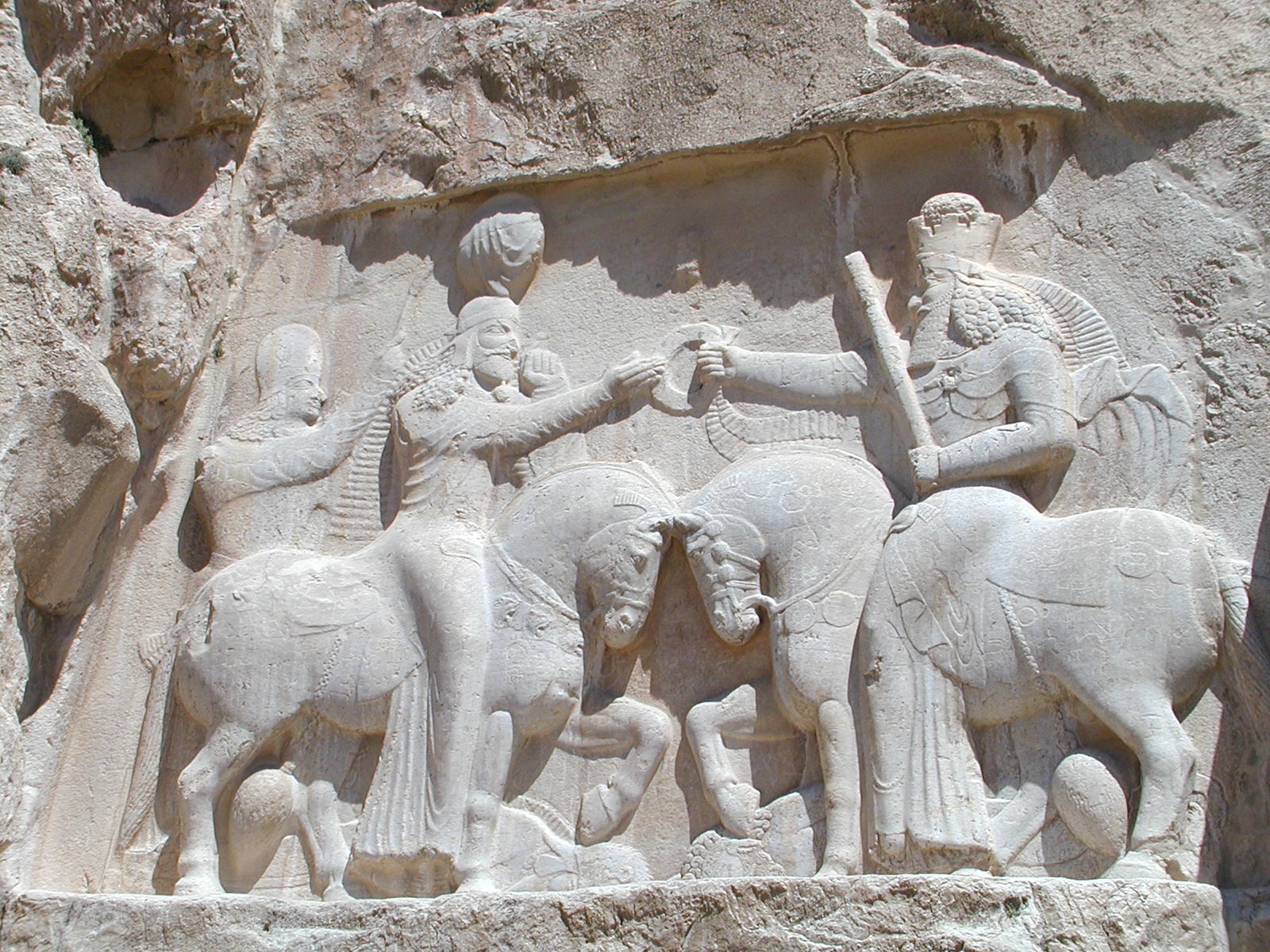
Ardašīr Crowned by Mazdā
At Naqsh-e Rostam, Ahura Mazda hands the ring of kingship to the founder of the Sasanian fire.
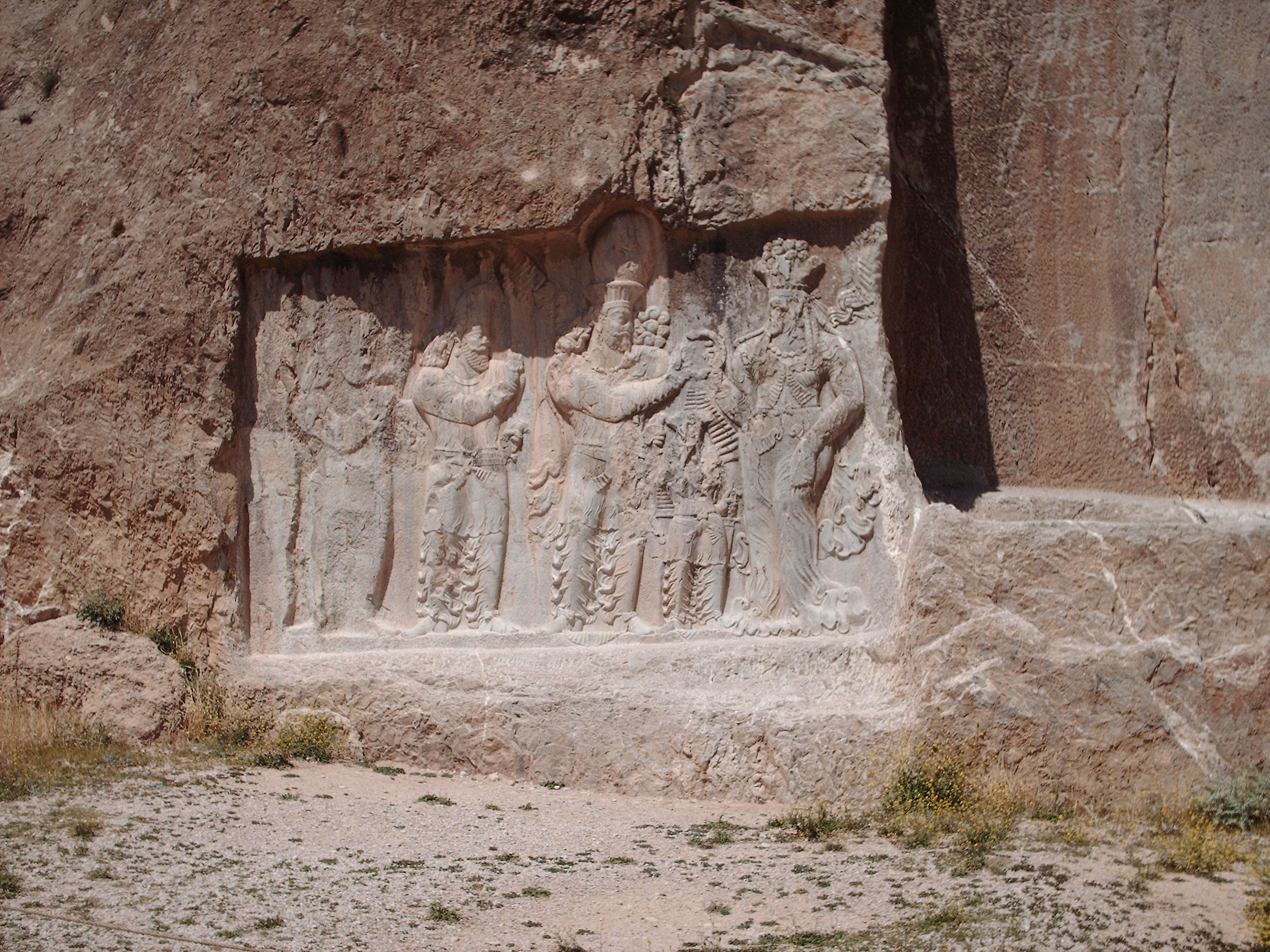
Narseh before Anāhitā
The king receives the diadem from the goddess of the waters, witness to his right to rule.
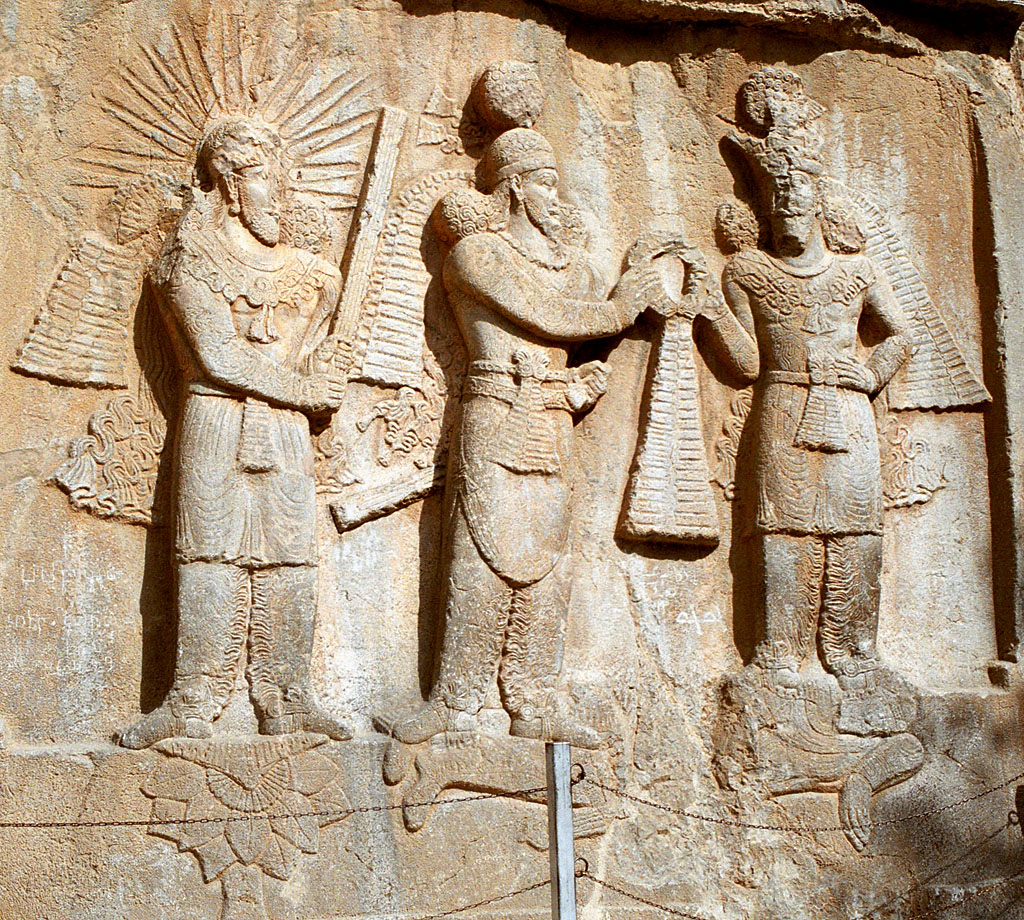
The Yazata Mithra
At Taq-e Bostan, radiate Mithra stands on the lotus behind the king, the barsom in his hands.
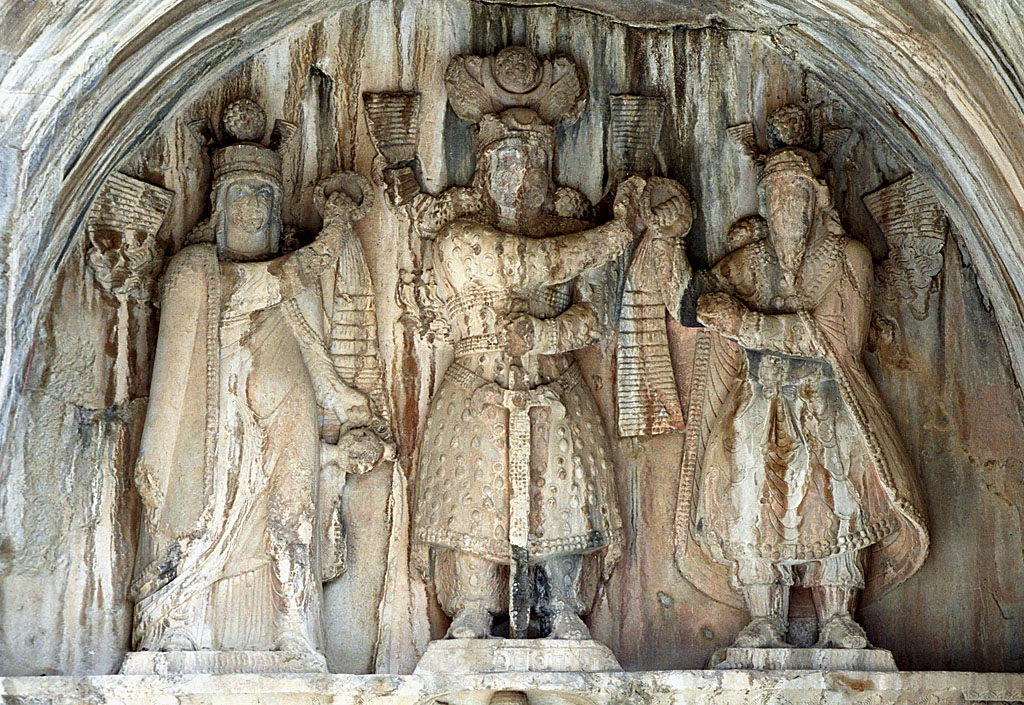
Khosrow & the Waters
Anāhitā pours the waters of sovereignty as Ahura Mazda crowns the last great king.
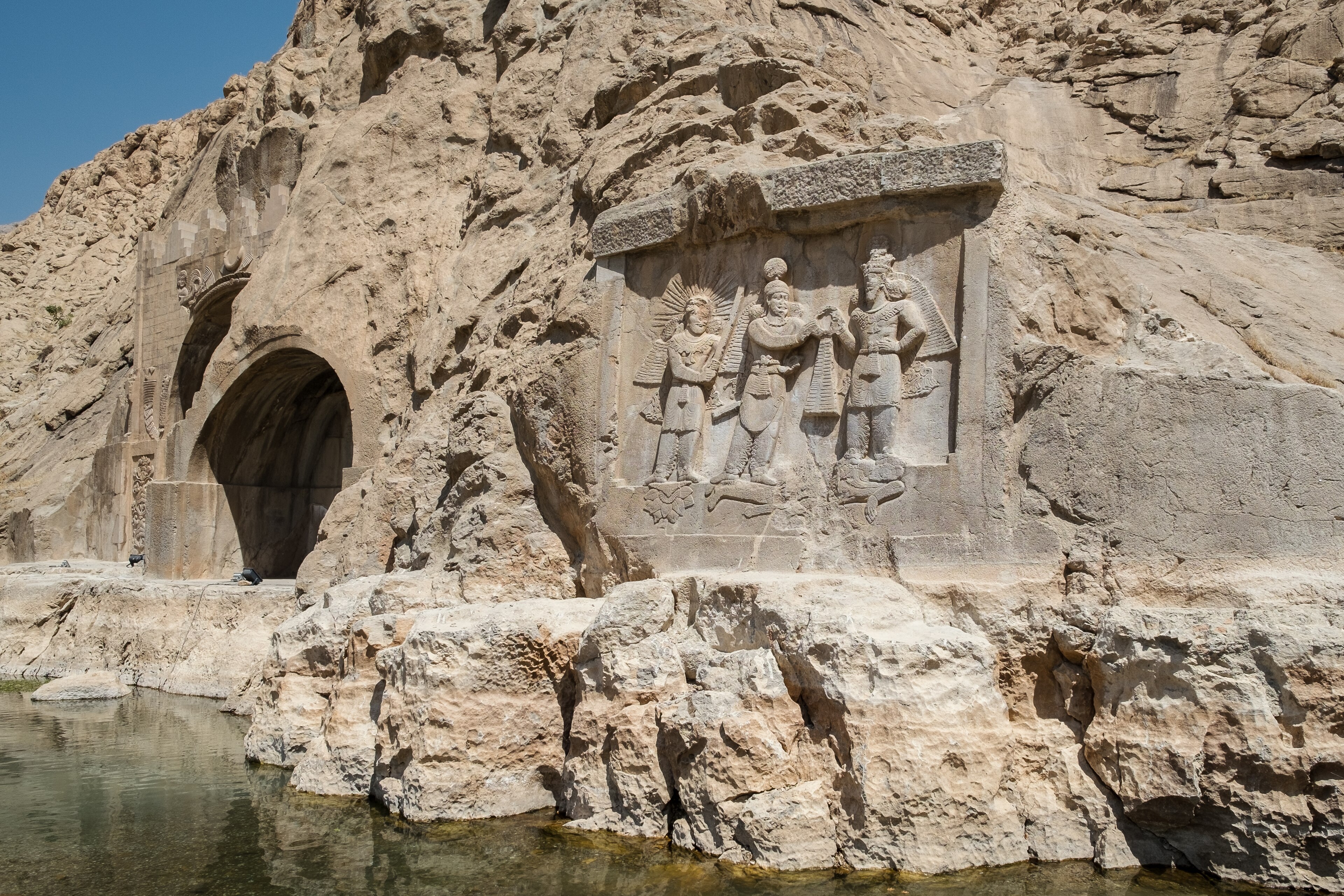
The Grotto of Taq-e Bostan
The royal hunt and the investitures carved into the living rock of the Zagros.
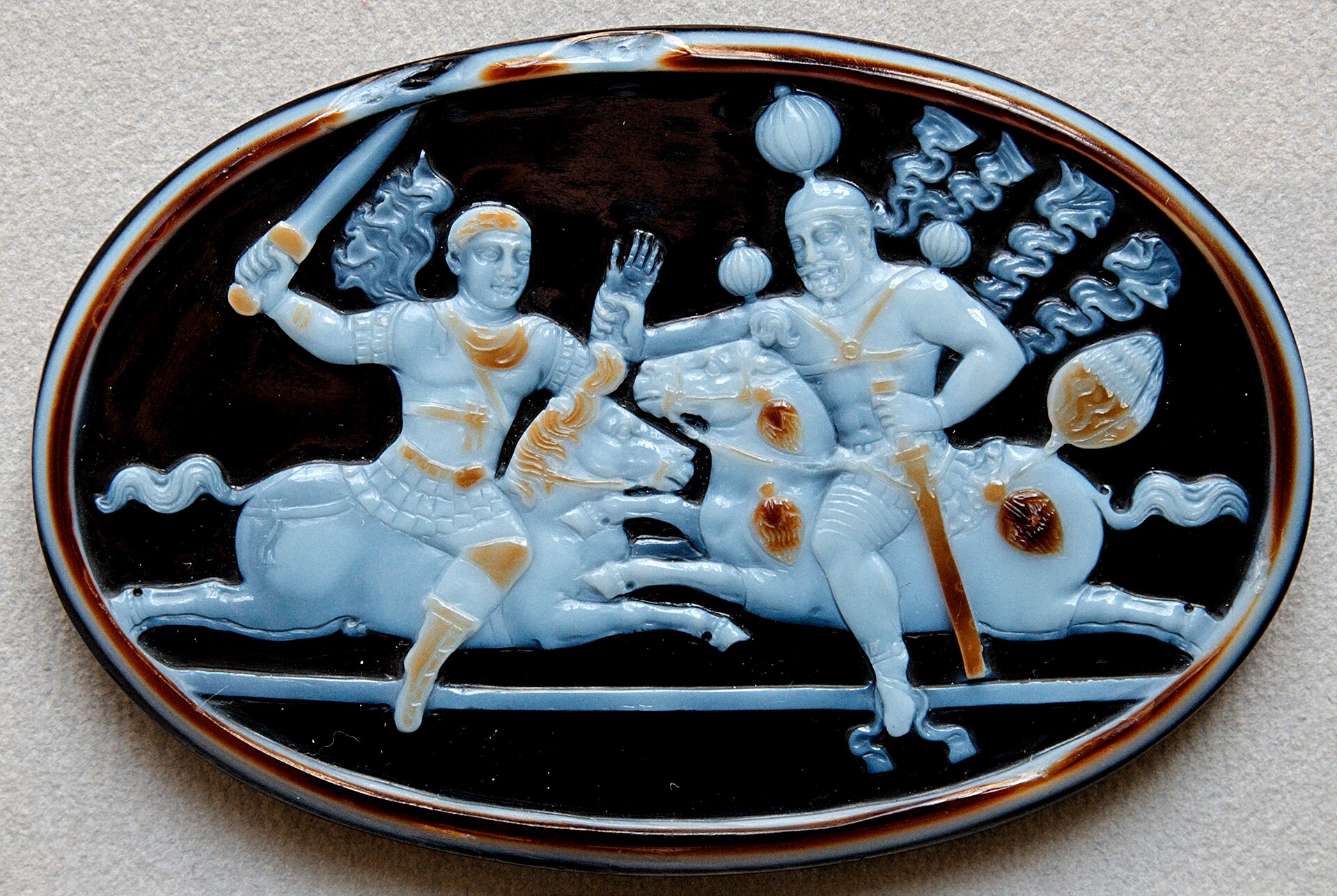
Šāpūr Takes the Emperor
The sardonyx cameo of Šāpūr I seizing Valerian of Rome by the wrist — three emperors humbled.
The Fire & the Temple
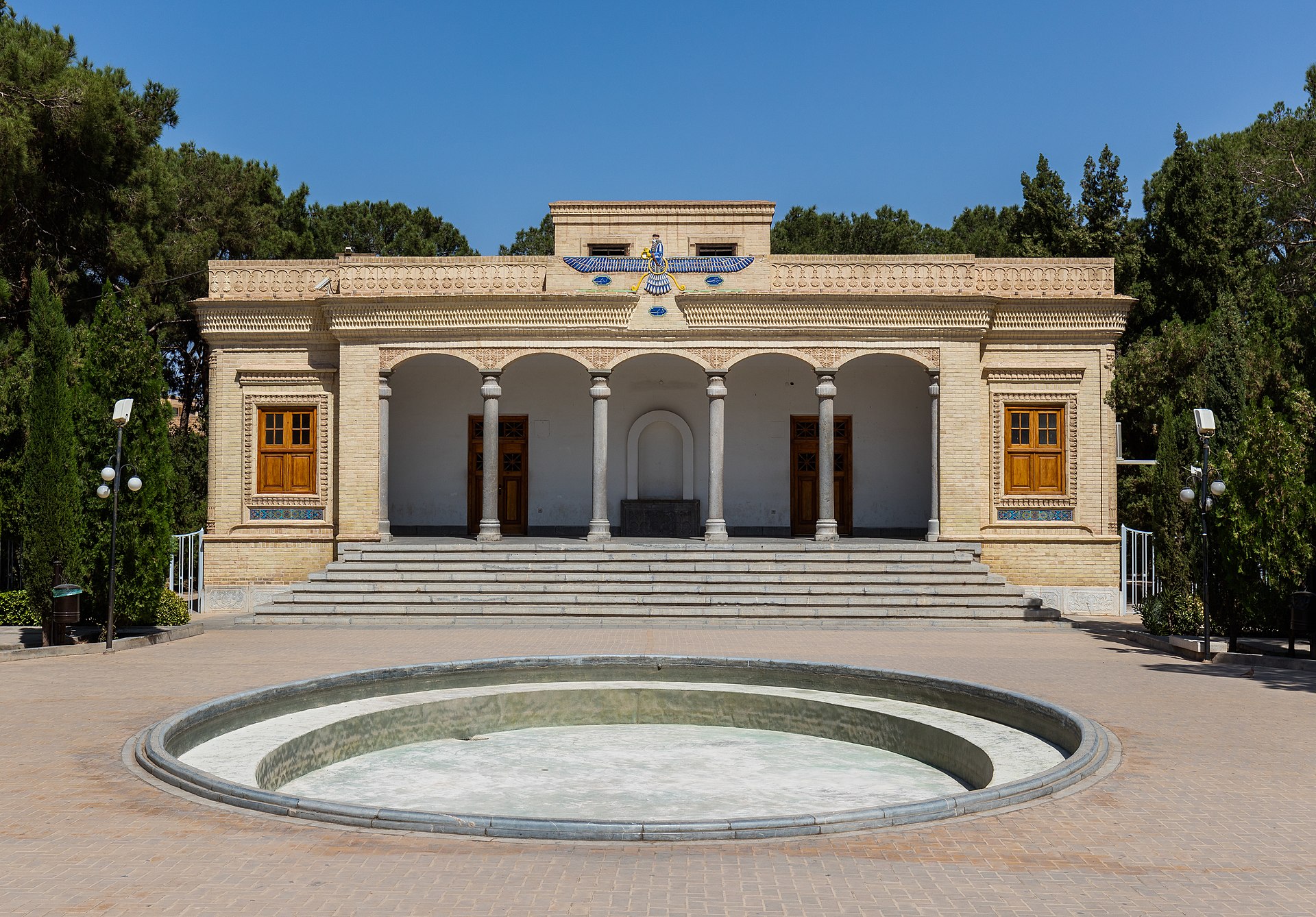
The Mother-Fire of Yazd
Behind the glass burns an Ātaš Bahrām fed without pause since the year 470.
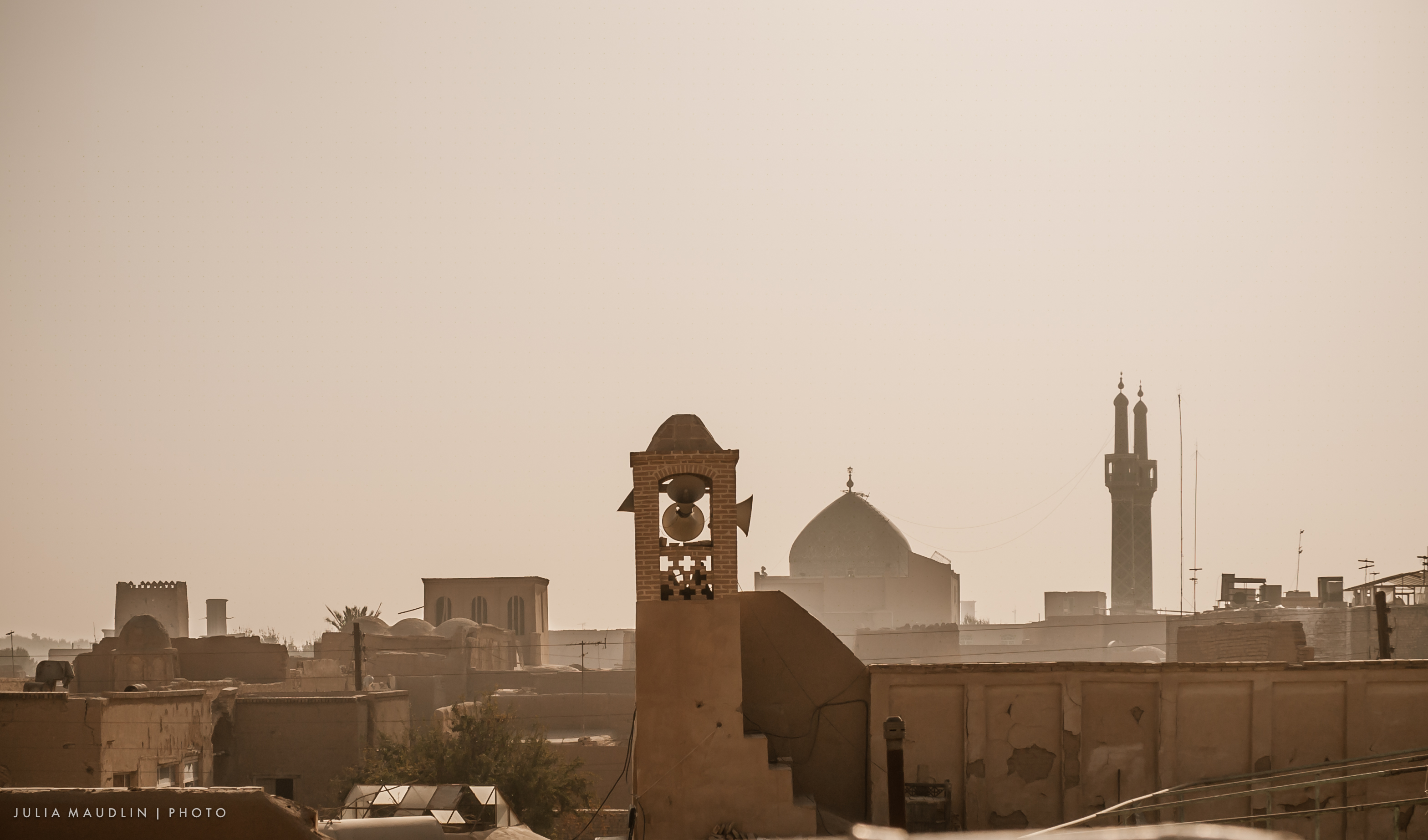
The Rooftops of Yazd
The desert city of wind-towers at dusk — the last great stronghold of the faithful in Iran.
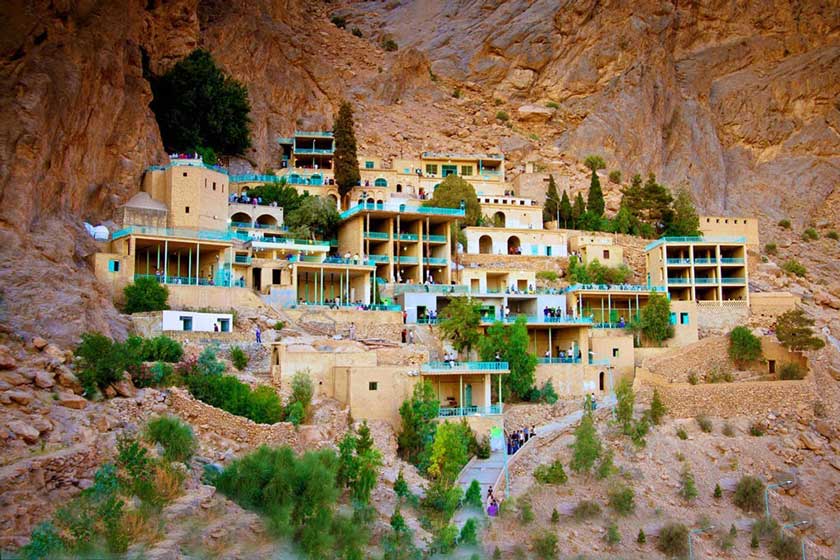
The Weeping Rock
Pīr-e Sabz, where the spring that opened for the fleeing princess still drips from the cliff.
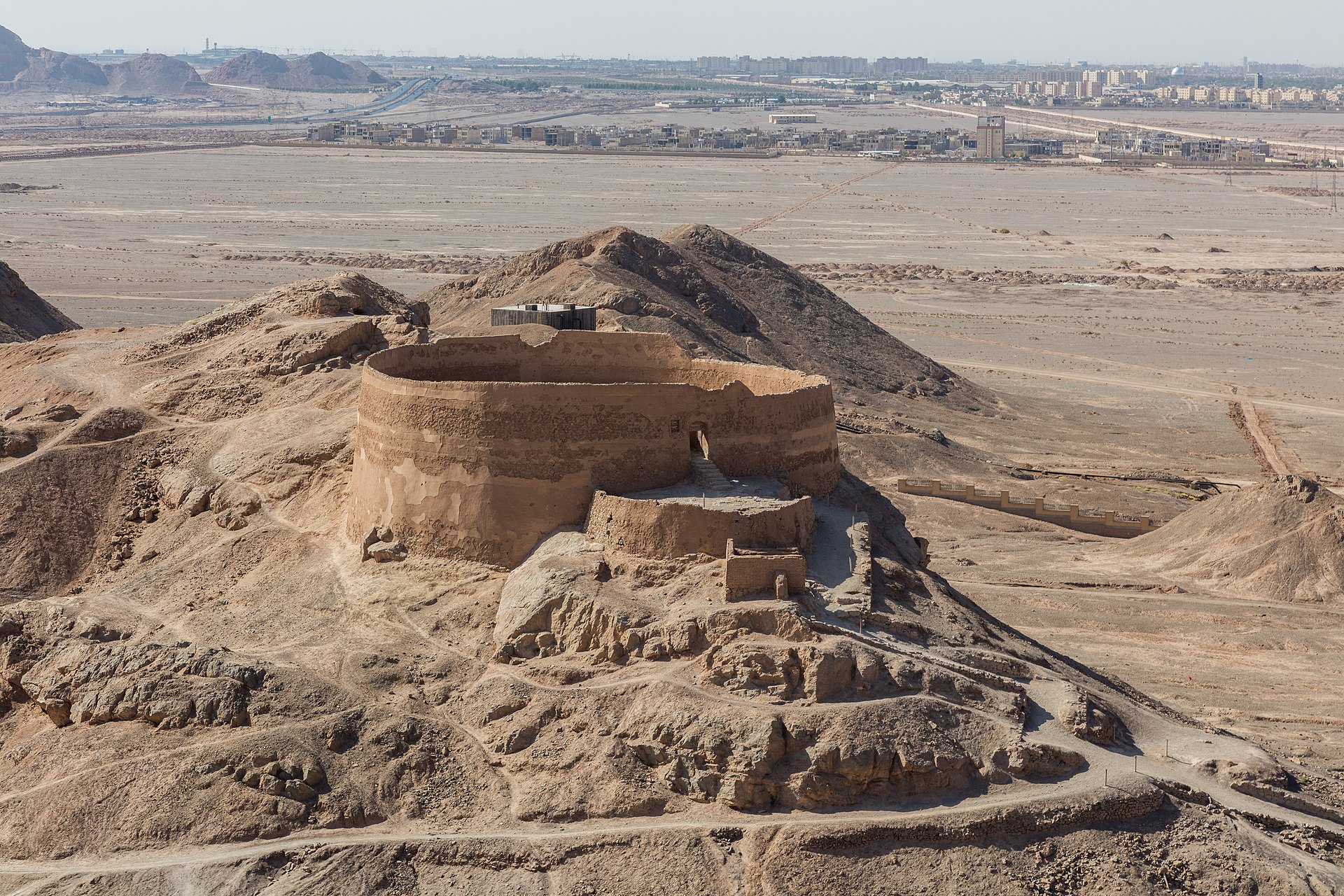
The Tower of Silence
The dakhma above Yazd, where the dead were given to the sun that no element be defiled.
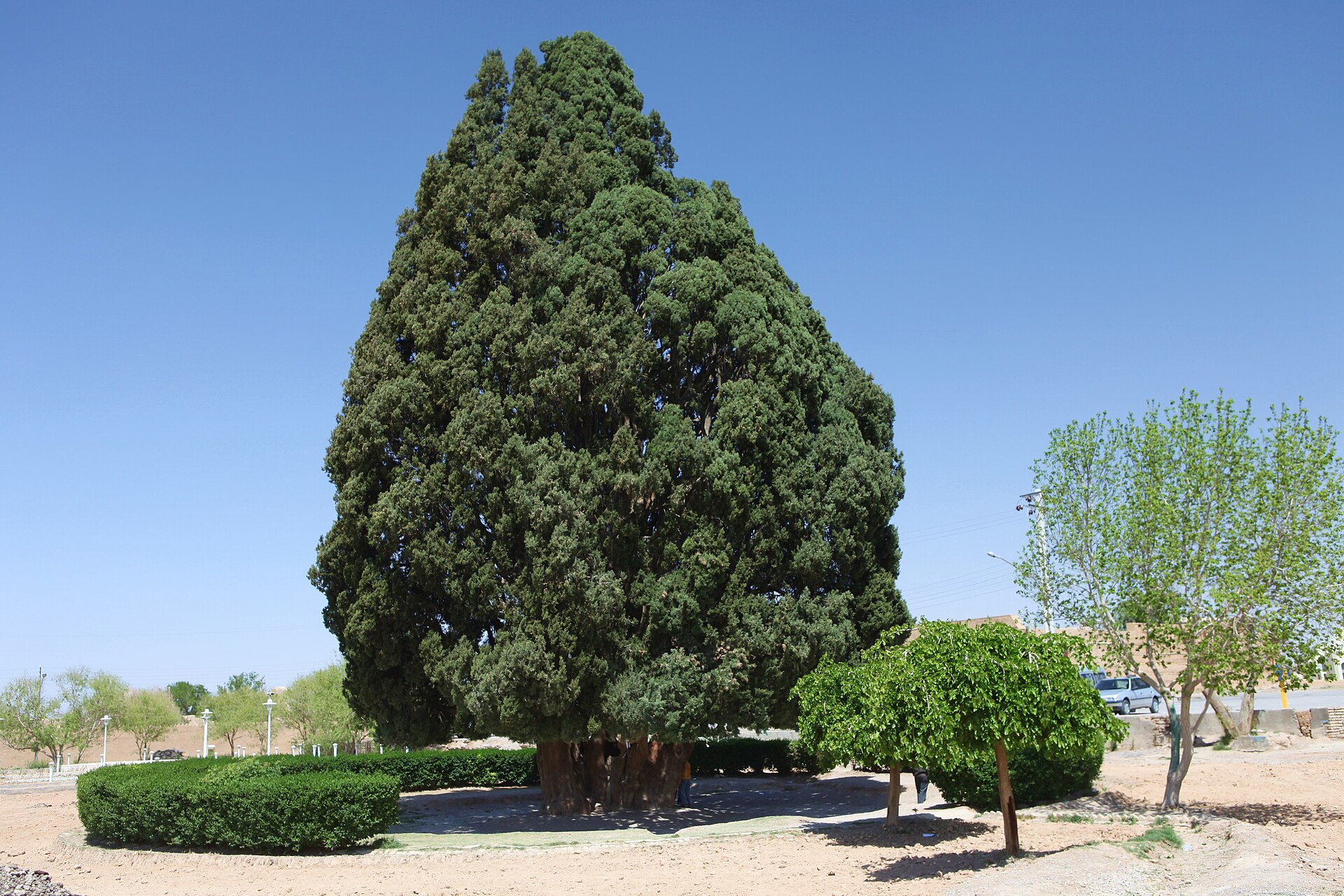
The Eternal Cypress
Four thousand years old, they say — already ancient when Cyrus rode past it.
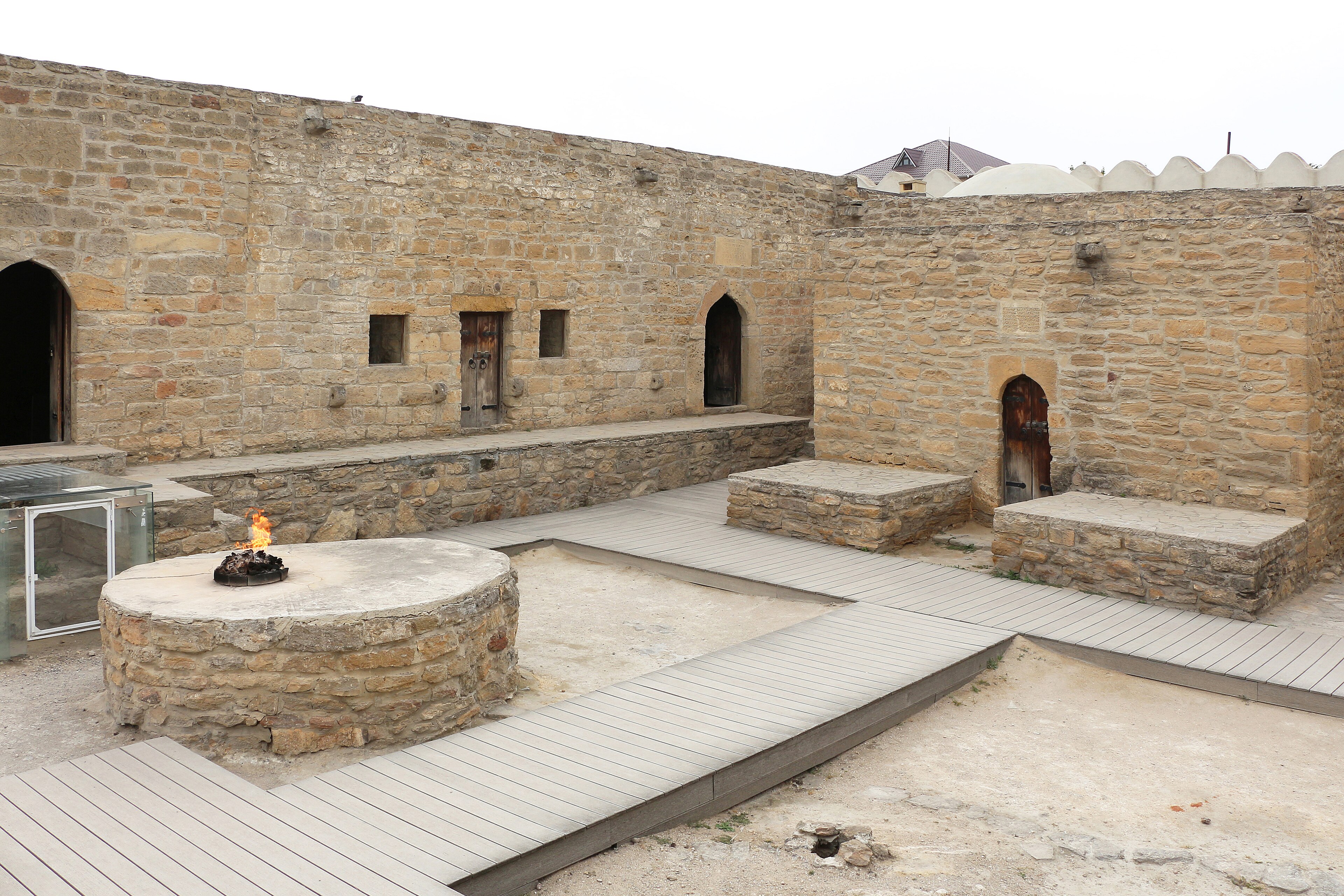
The Ateshgah of Baku
The pentagonal fire-temple fed by a vent of natural flame, where Iran and India met at the fire.
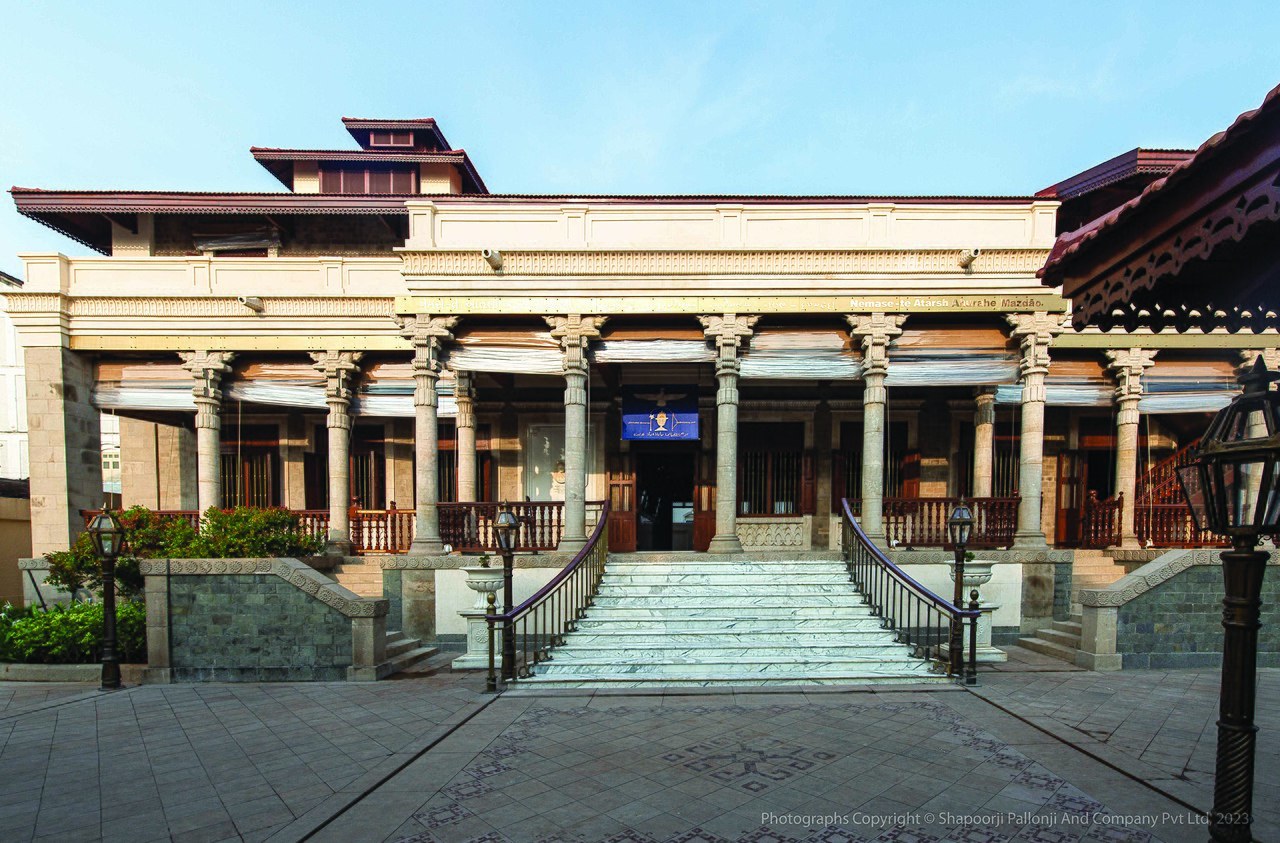
The Iranshah at Udvada
The fire the Parsis carried to Gujarat and have never let die in a thousand years.
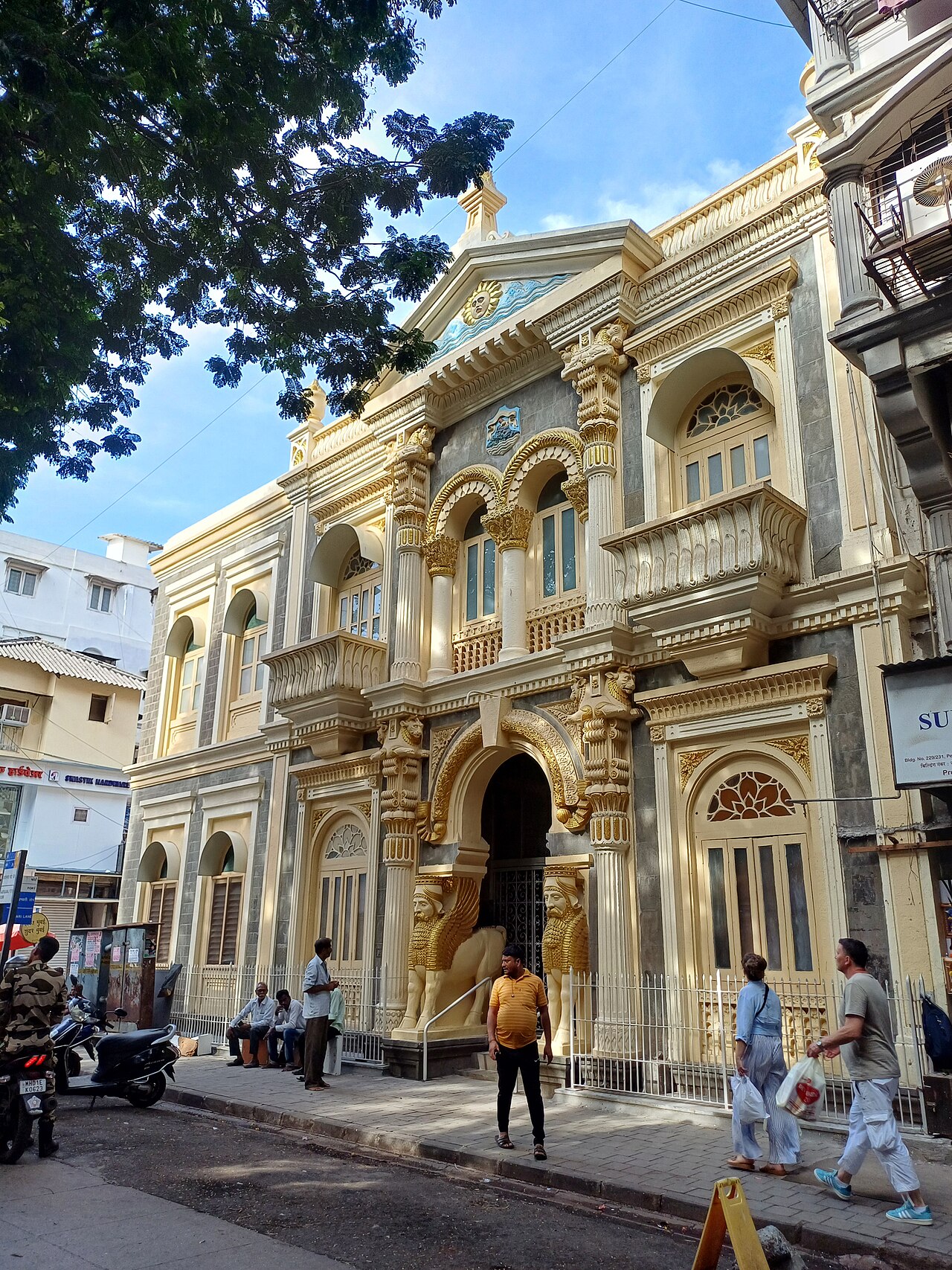
The Mumbai Agiary
The Maneckji Seth fire-temple in the Fort — a hidden hearth in the heart of the modern city.
The Book of Kings
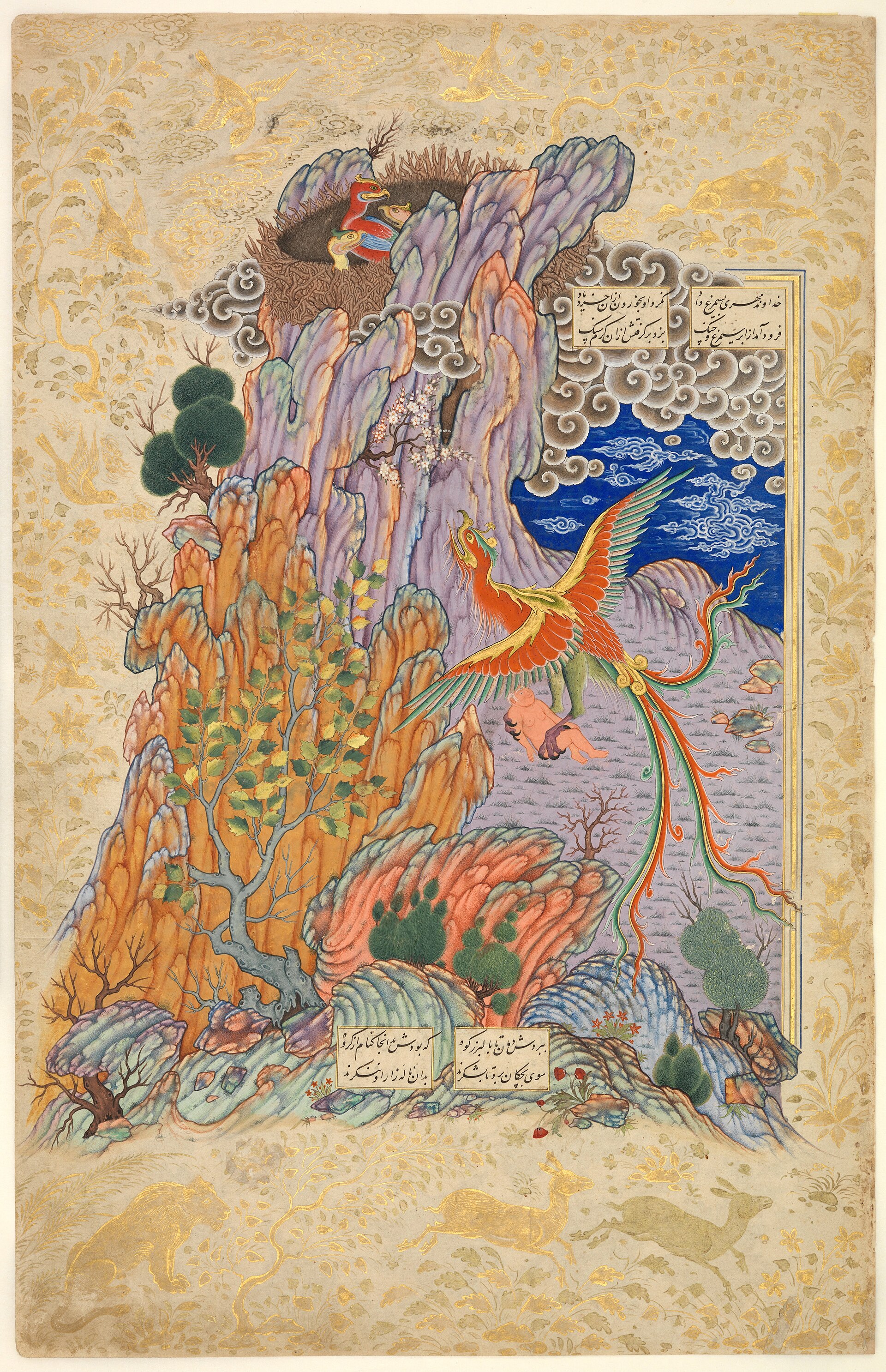
Zāl & the Sīmurgh
The great bird bears the abandoned white-haired child to her nest on Alborz.
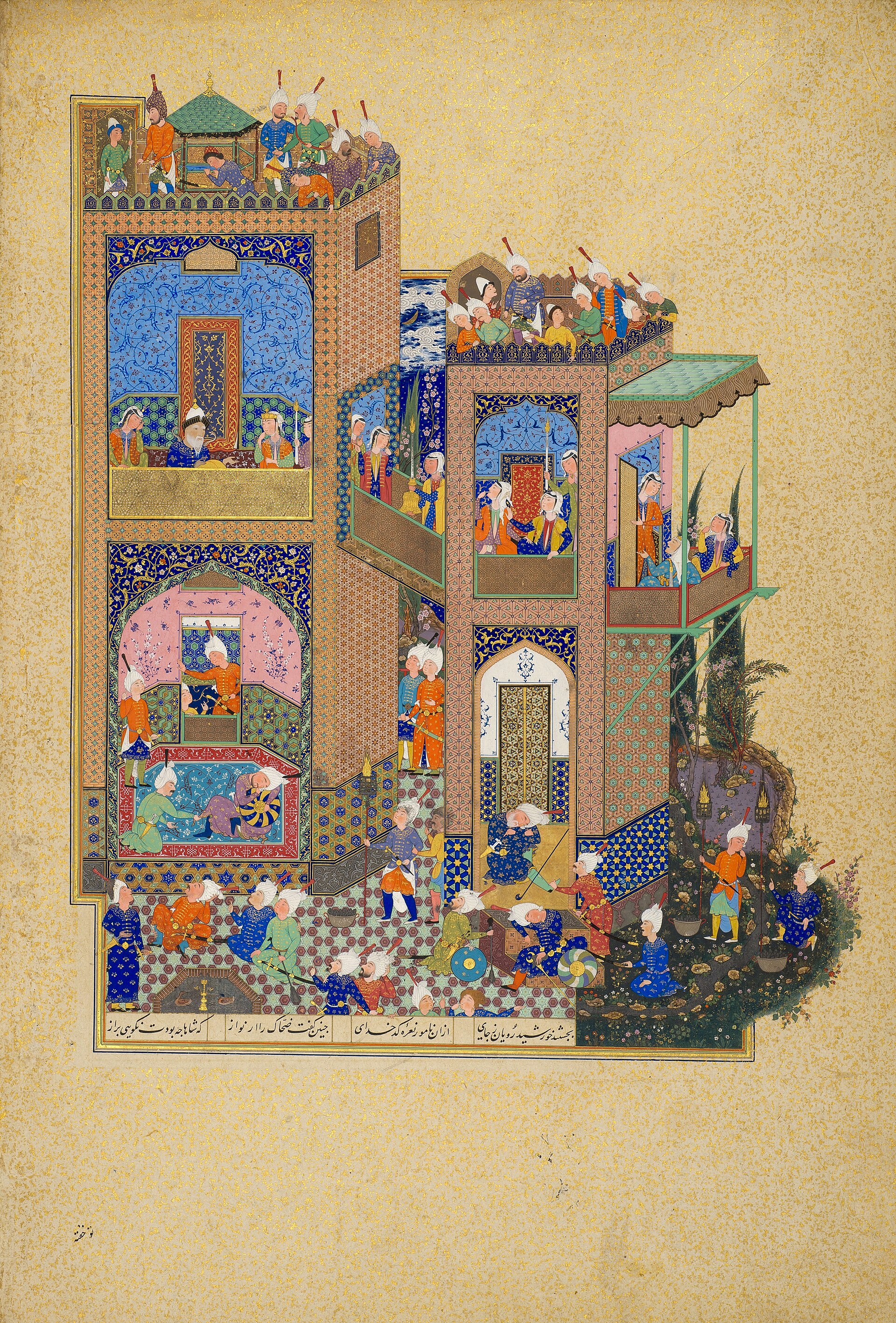
The Nightmare of Żahhāk
The serpent-shouldered tyrant dreams of the one who will chain him under Damāvand.
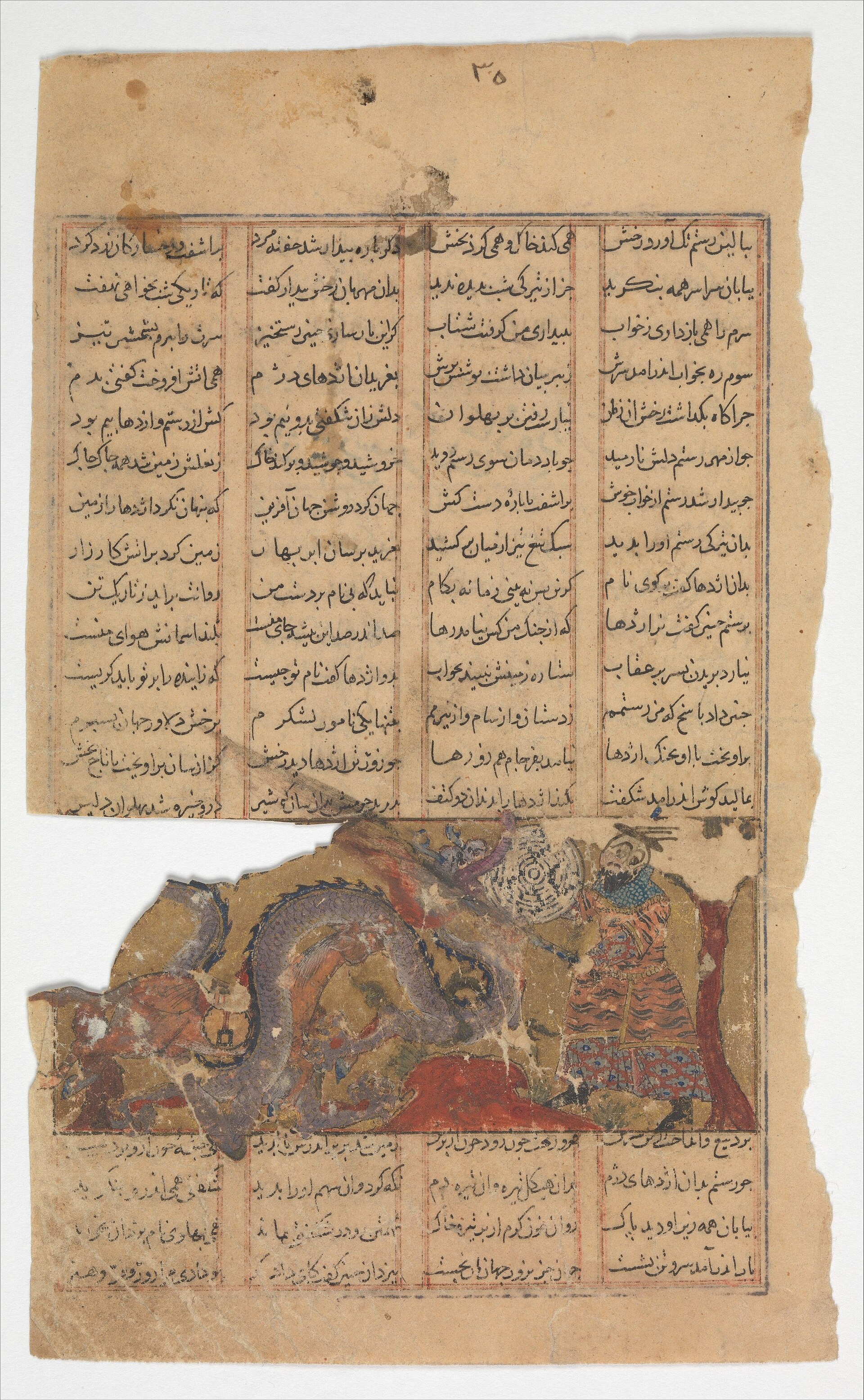
Rostam Fights the Dragon
The third of the seven labours: hero, horse, and azhdahā locked together in the dark.
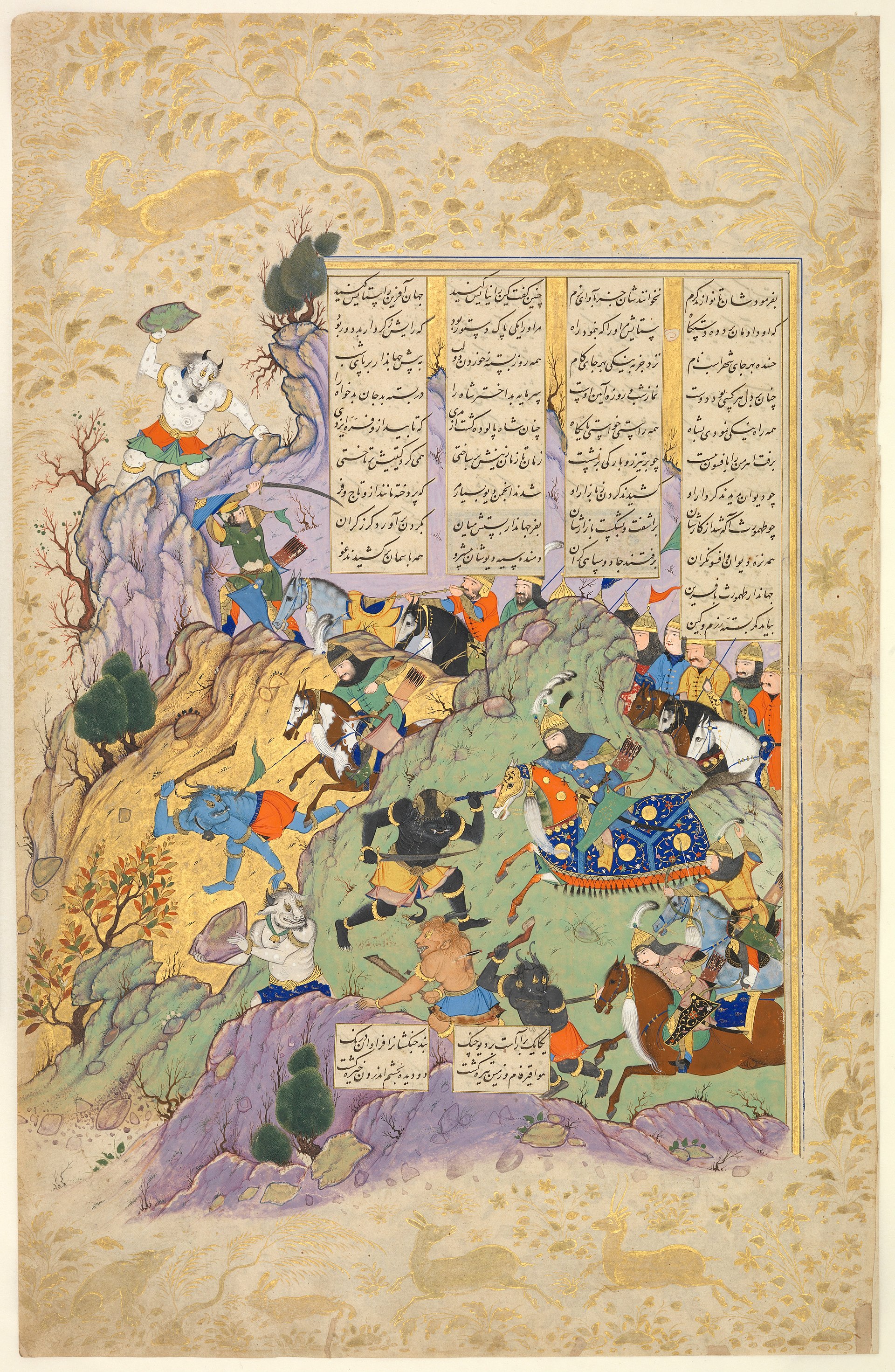
Tahmūras Binds the Dīvs
The demon-binder rides down the horned host of Mazandaran.
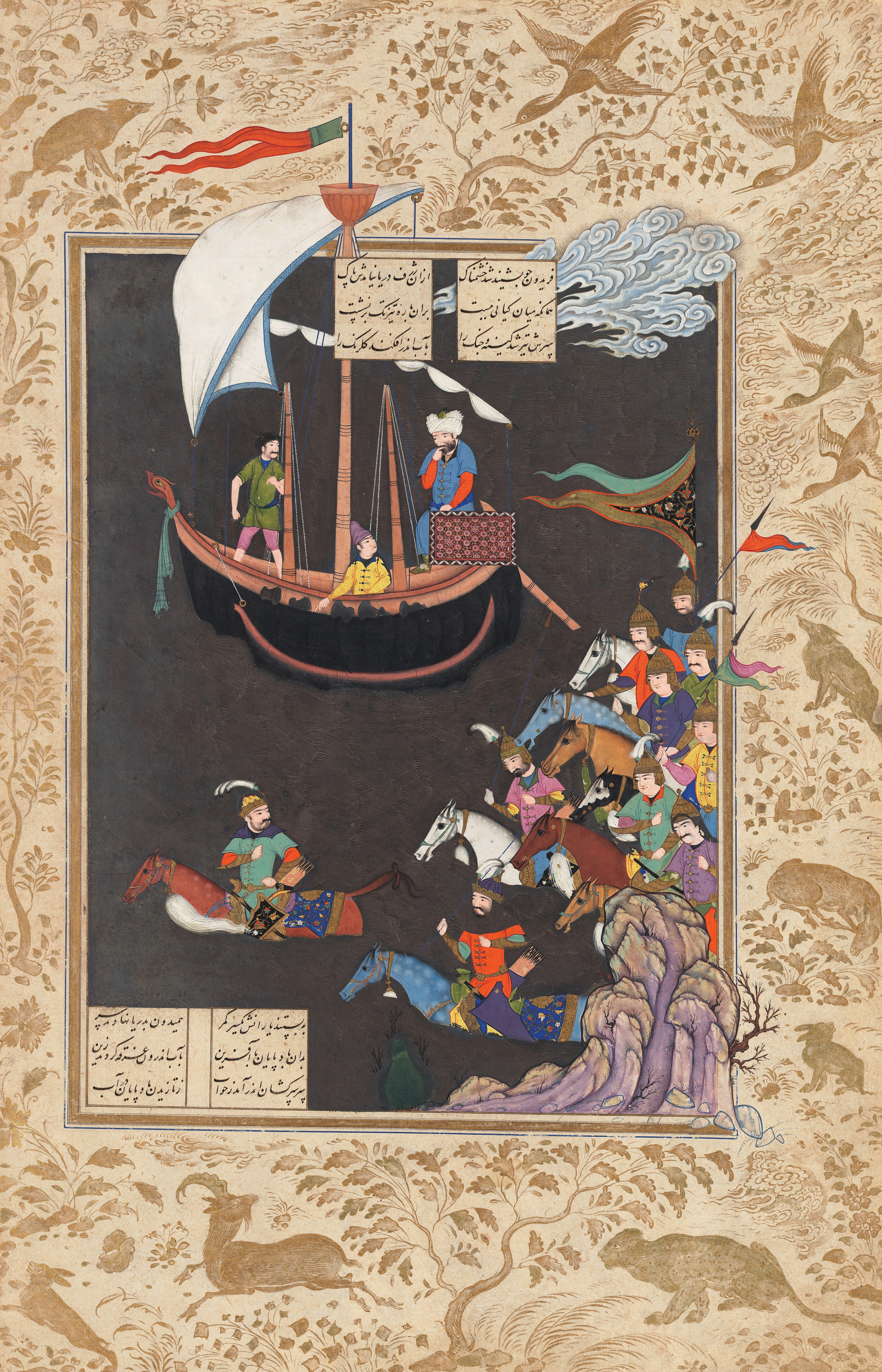
Fereydūn Crosses the Tigris
The avenger rides for Żahhāk, the world-winter's end in his hand.
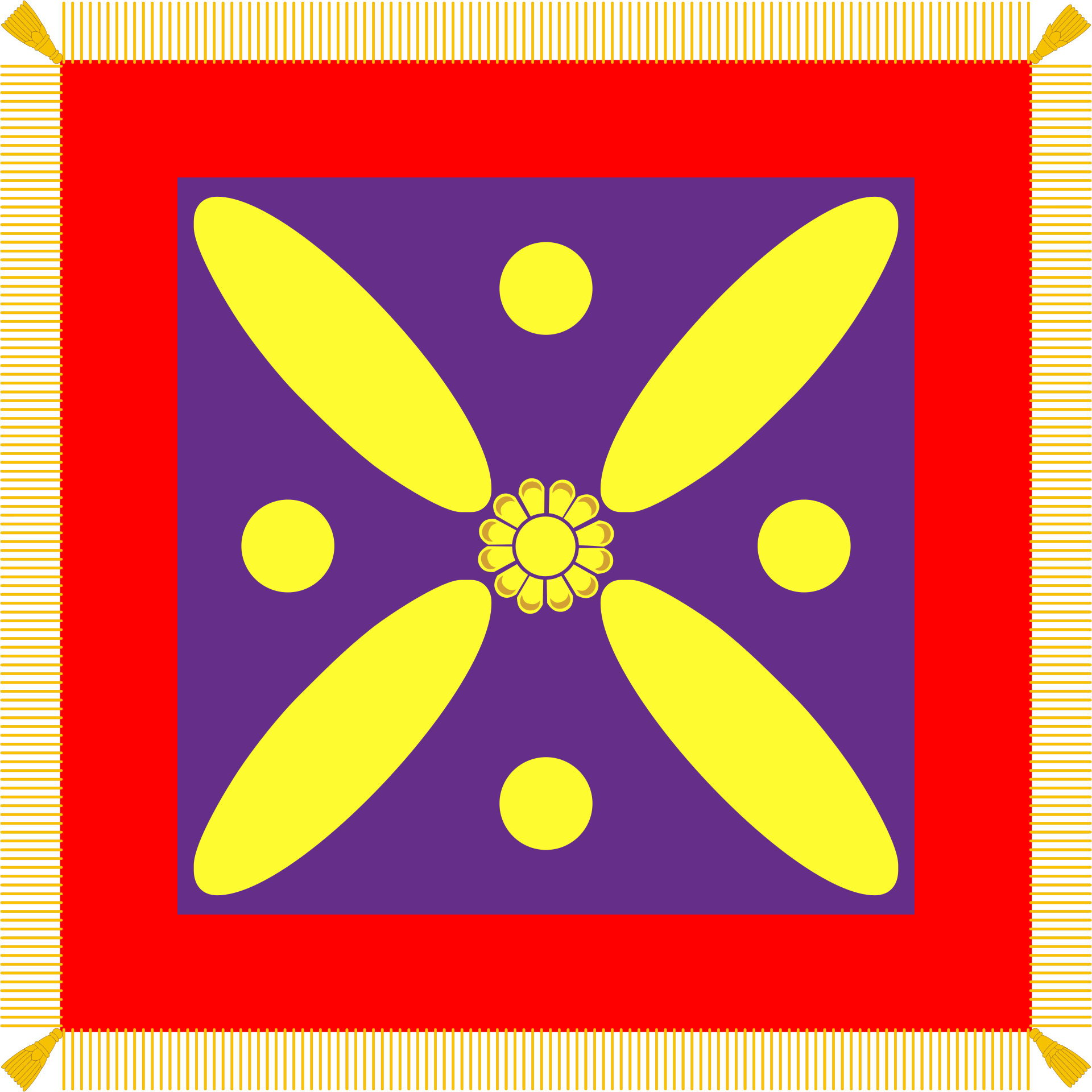
The Derafš-e Kāviānī
The blacksmith's leather apron raised on a spear — the banner that called Iran to rise.
The Coin, the Cup & the Crown
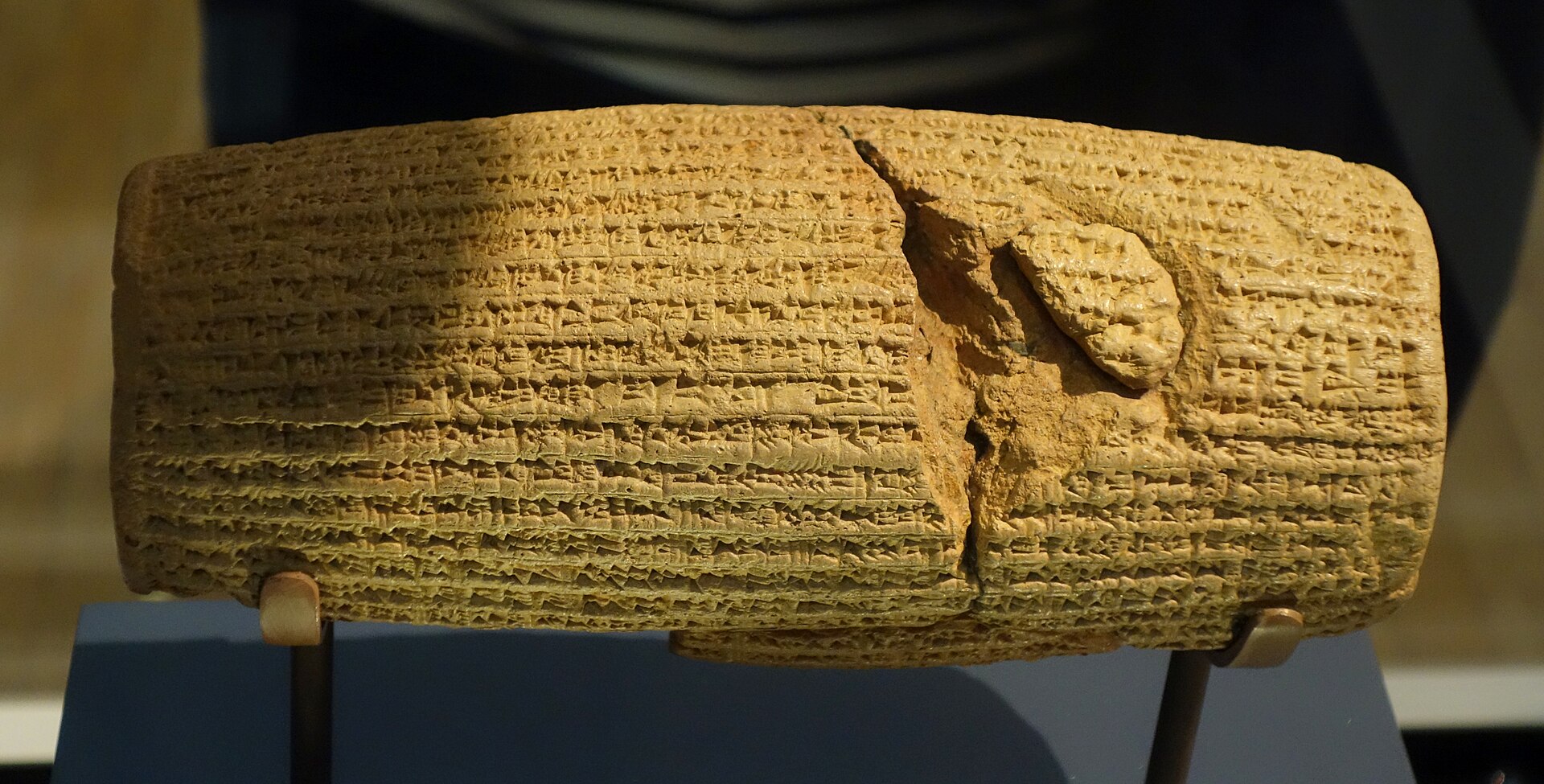
The Cyrus Cylinder
The clay proclamation of the king who freed the captives and let every people keep its gods.
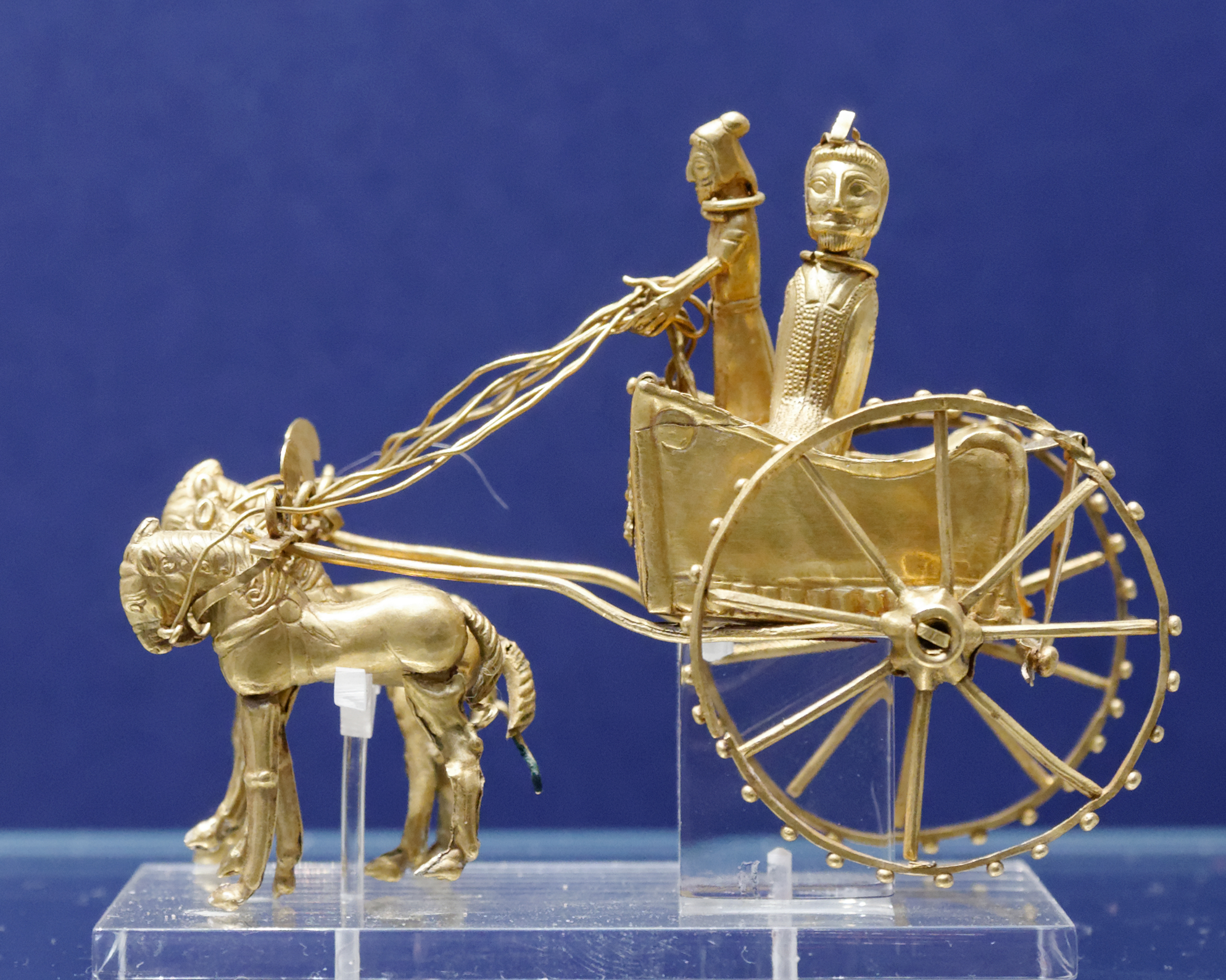
The Oxus Chariot
The miniature gold chariot of the Oxus Treasure, drawn by four horses across two and a half millennia.
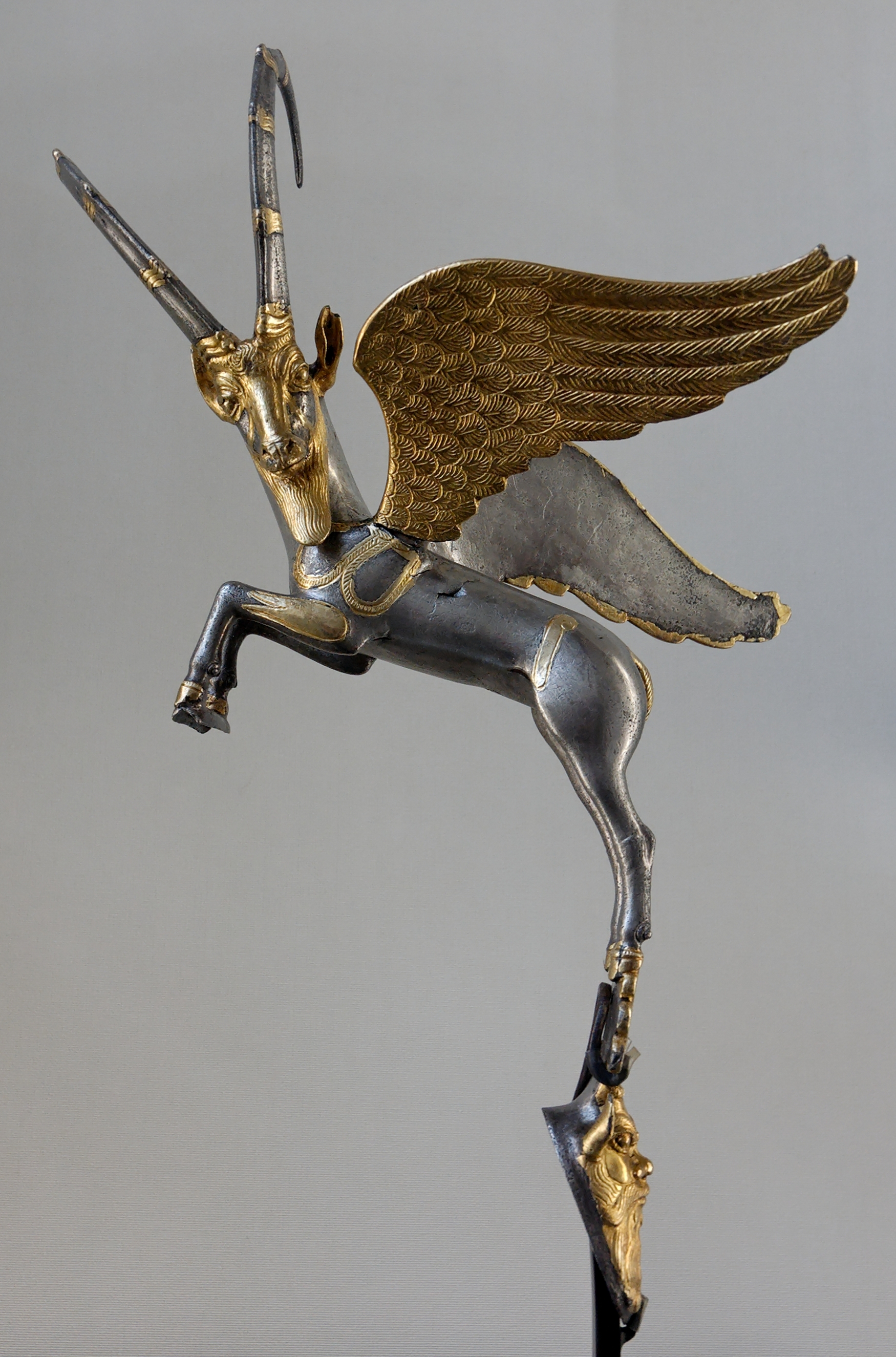
The Winged Ibex
The silver-and-gold vase handle of a leaping ibex — Achaemenid metalwork at its summit.
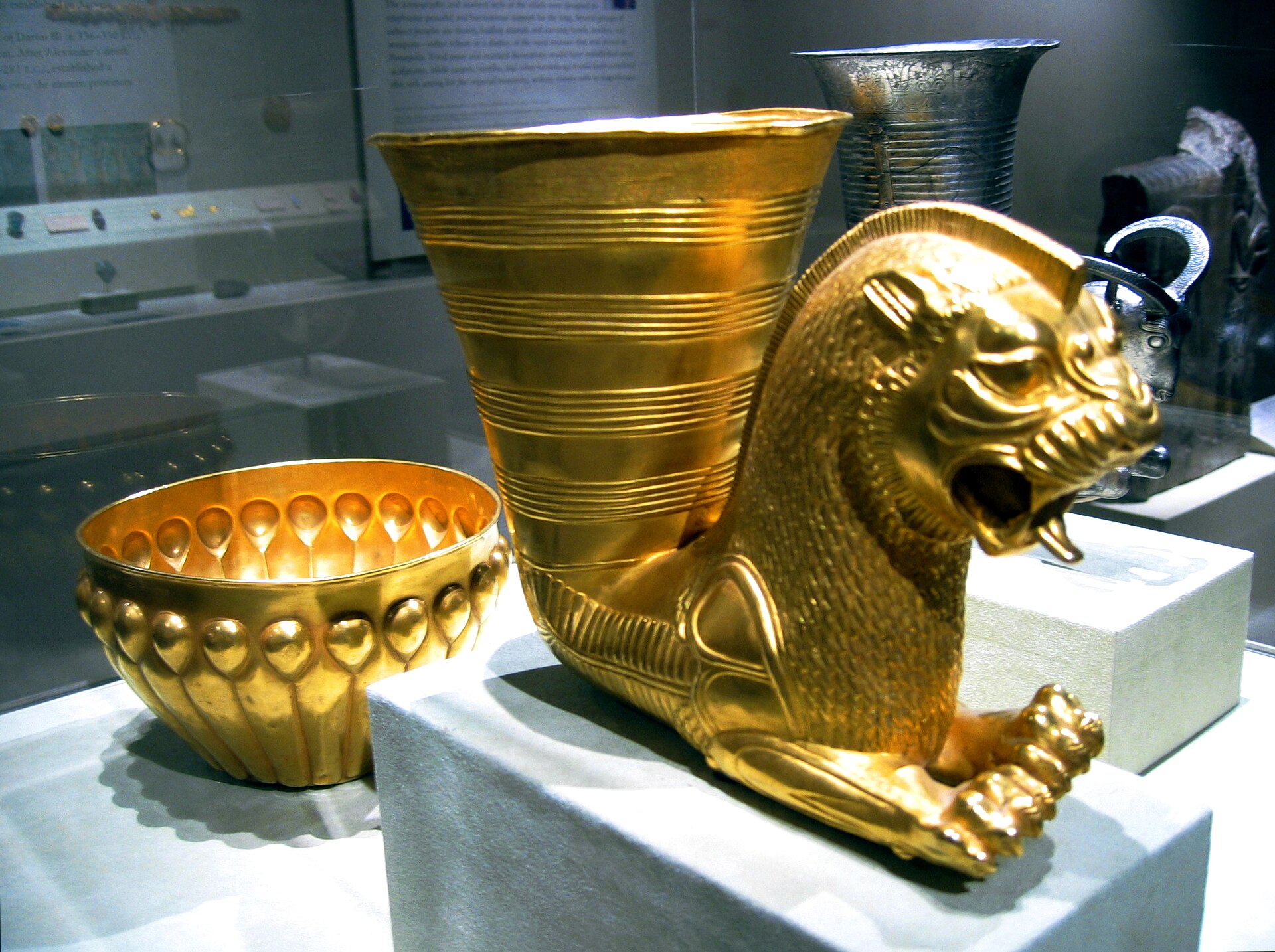
The Horn-Vessels
The rhyta of the Persian table, poured from the mouth of lion and griffin.
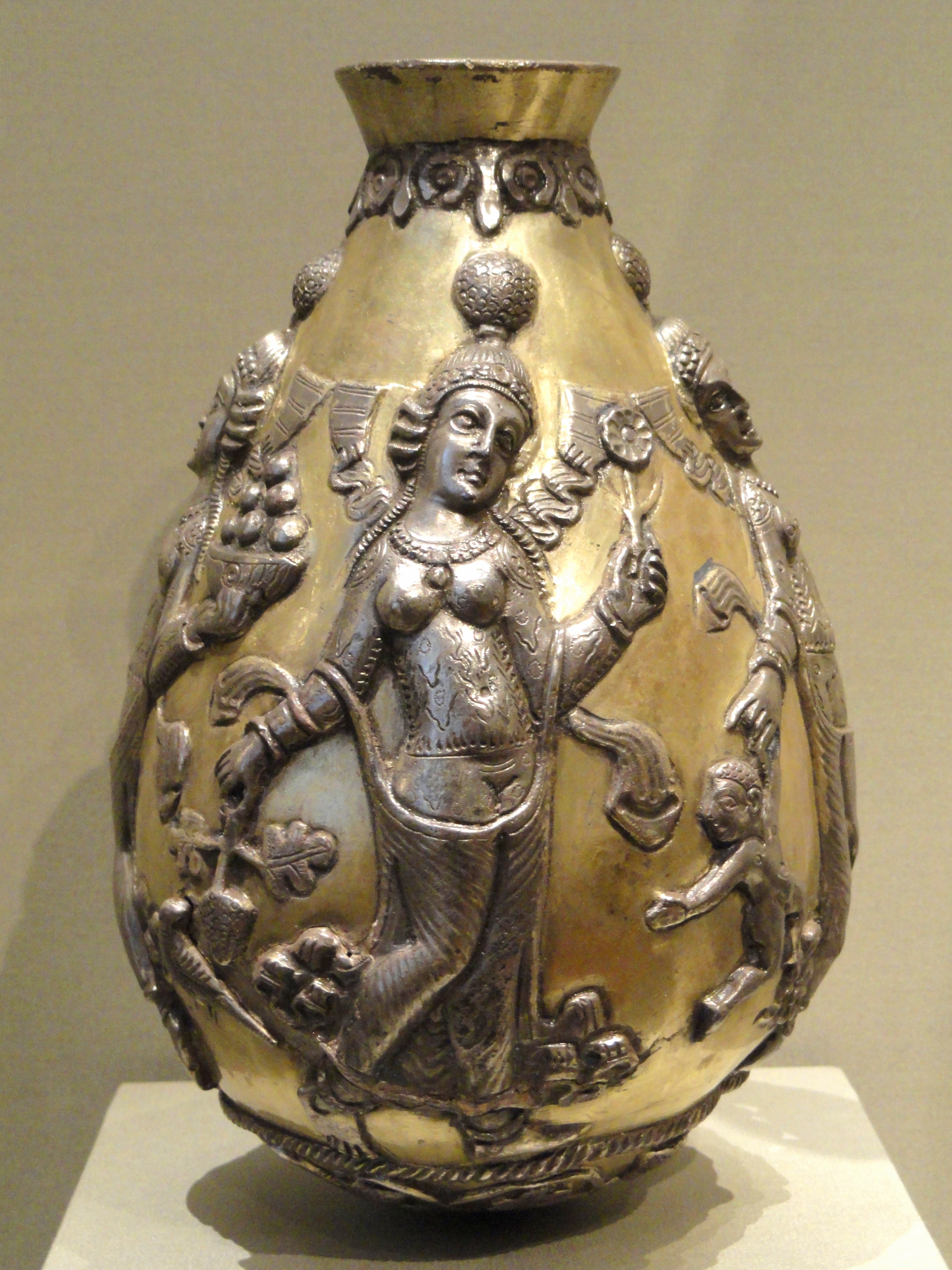
The Anāhitā Ewer
A Sasanian silver-gilt vessel, the goddess of the waters worked into the metal.
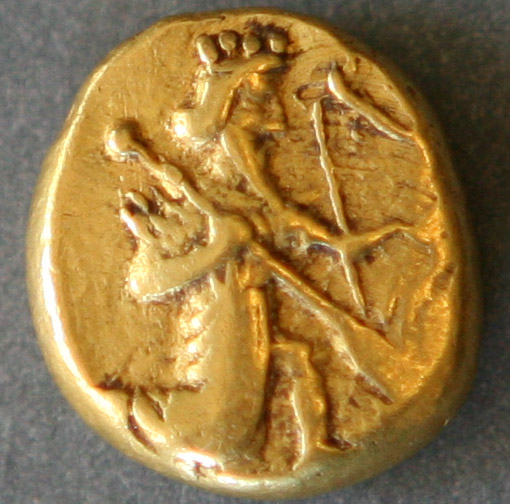
The Gold Daric
The royal archer, kneeling and crowned — the coin that paid the armies of the Great King.
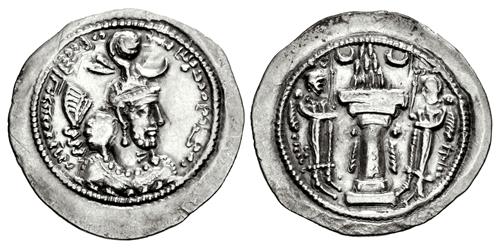
The Fire on Silver
The Sasanian drachm: the fire-altar and its two attendants, the emblem of the Iranian state.
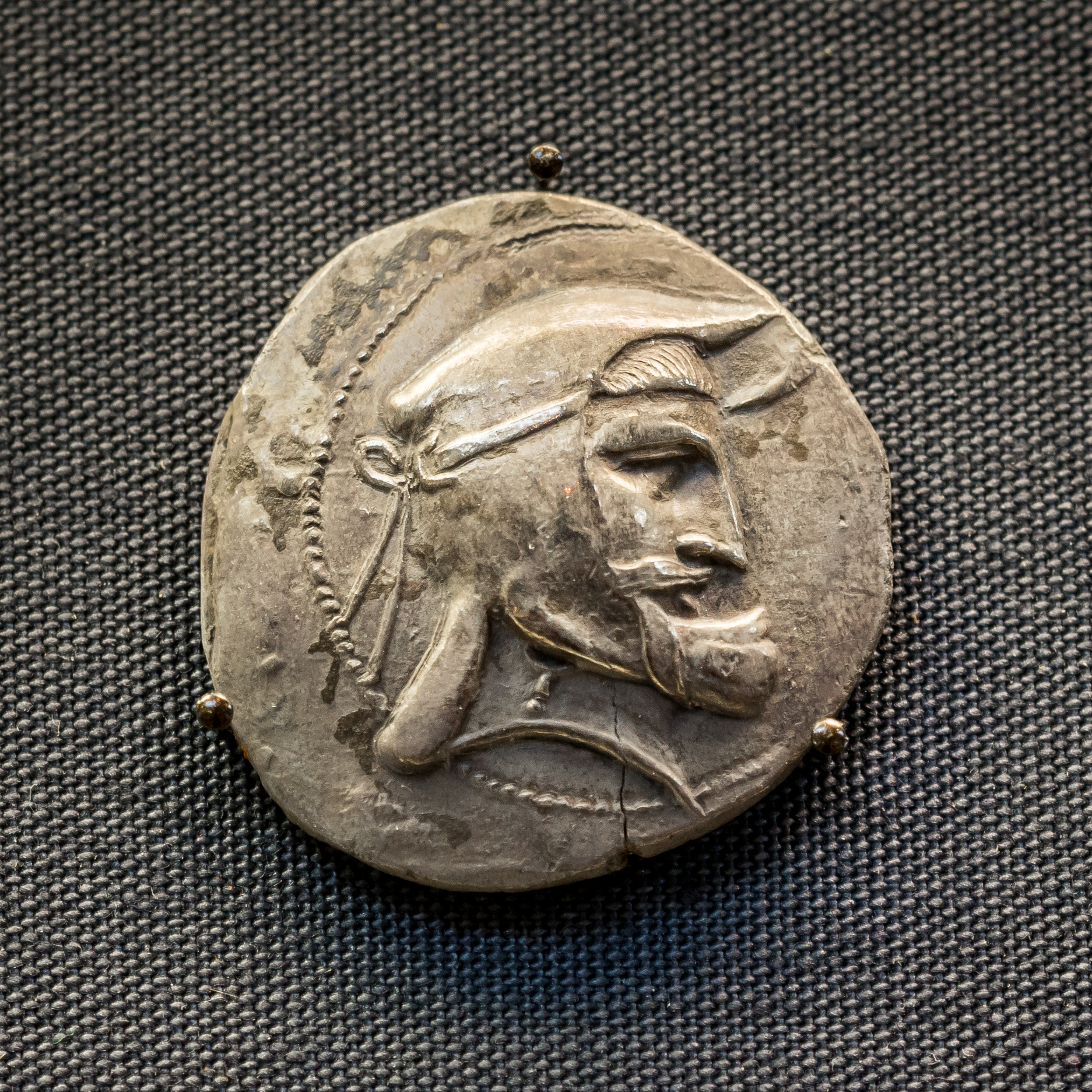
The First Worship
A Frataraka coin of Persis — among the earliest images of a king at the fire.
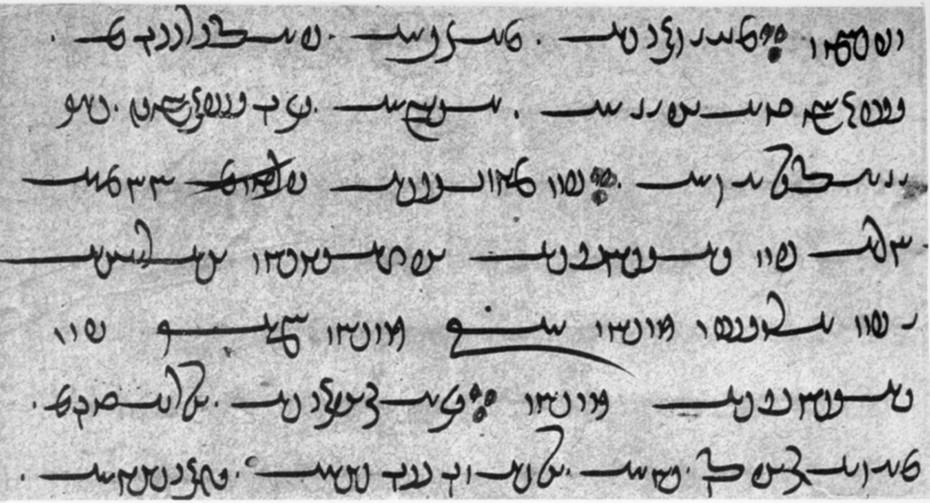
A Leaf of the Avesta
Bodleian MS J2: the opening of the Gāθās in the Avestan script, copied in 1323.
The Living Faith & the Mapped Dominion
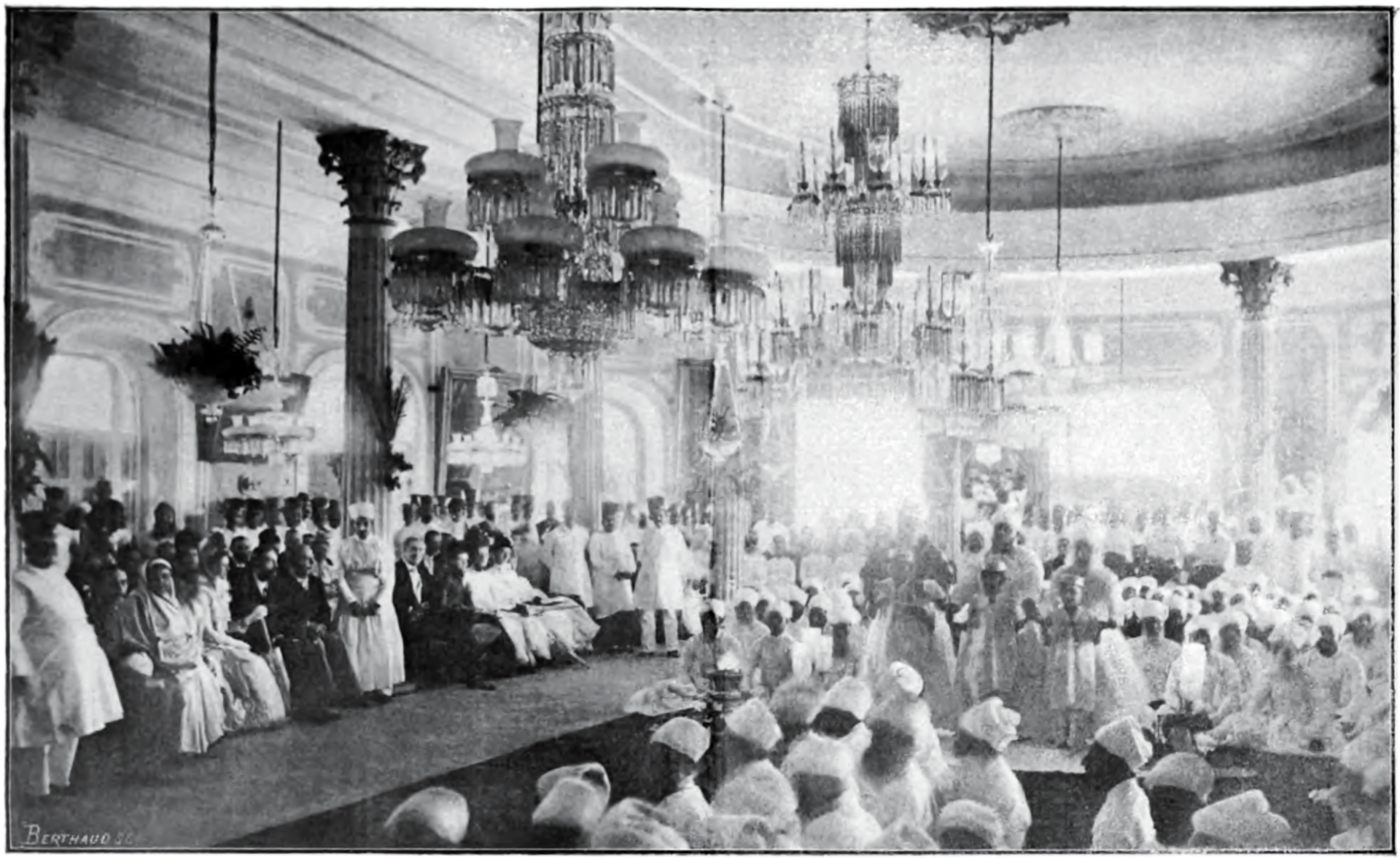
The Navjote
A child receives the sacred shirt and cord and enters the faith — Bombay, a century ago.
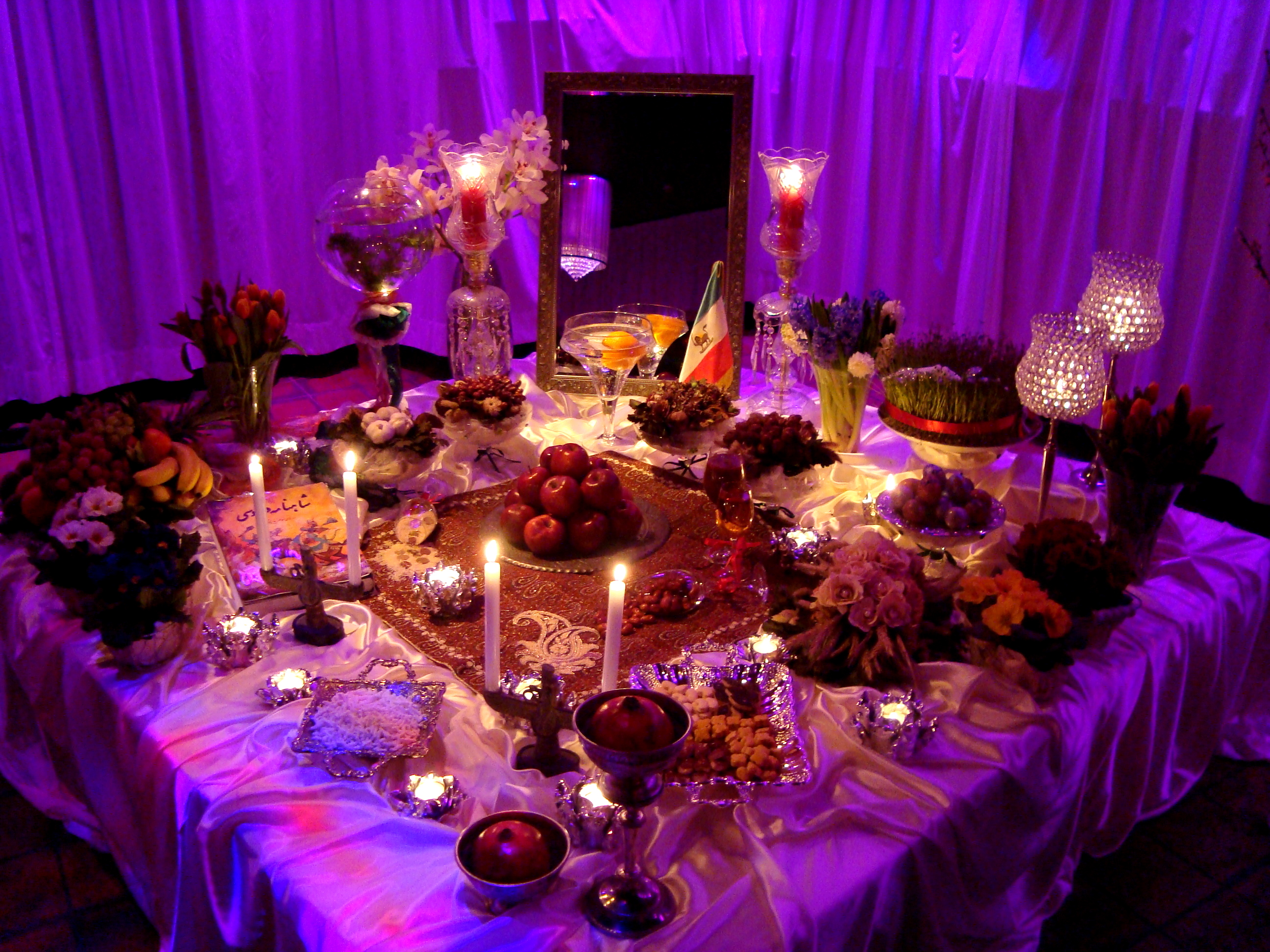
The Haft-sin of Nowruz
The table of seven, laid at the spring equinox — the oldest festival humankind still keeps.
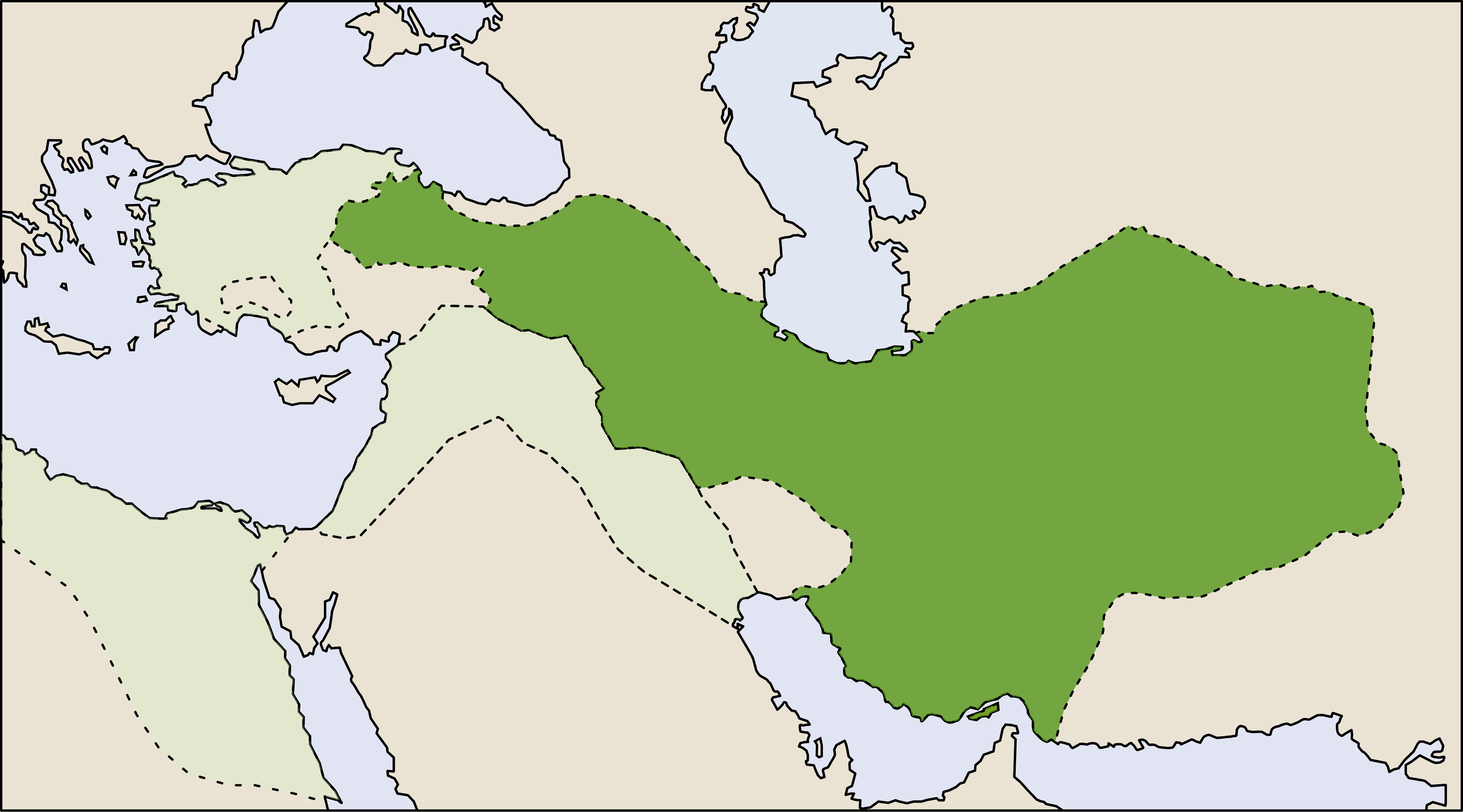
The Median Empire
The realm of the Medes, c. 600 BCE — the proto-Iranian power before Cyrus.
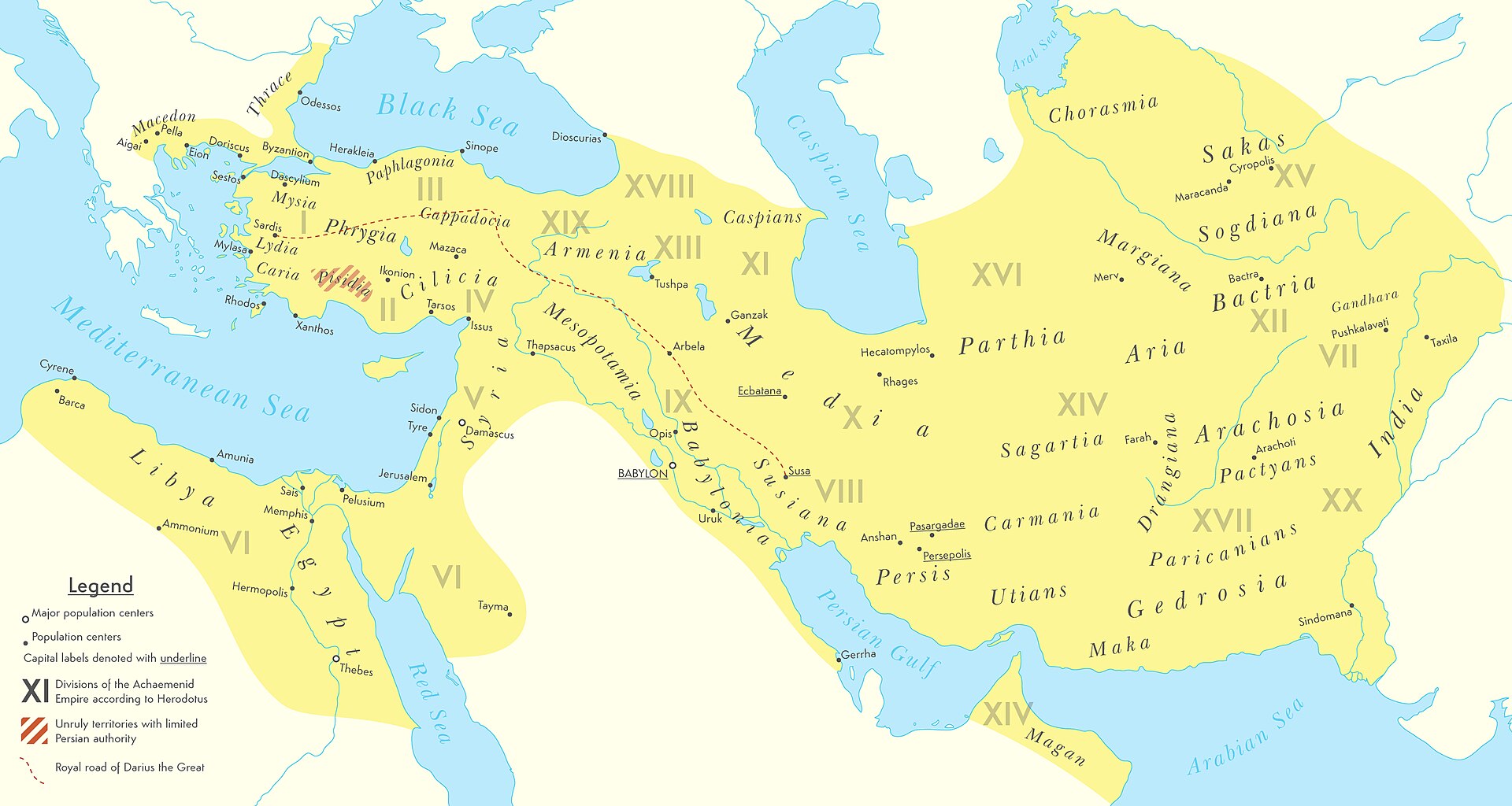
The Achaemenid Empire
From the Aegean to the Indus, c. 500 BCE — the largest the world had yet seen.
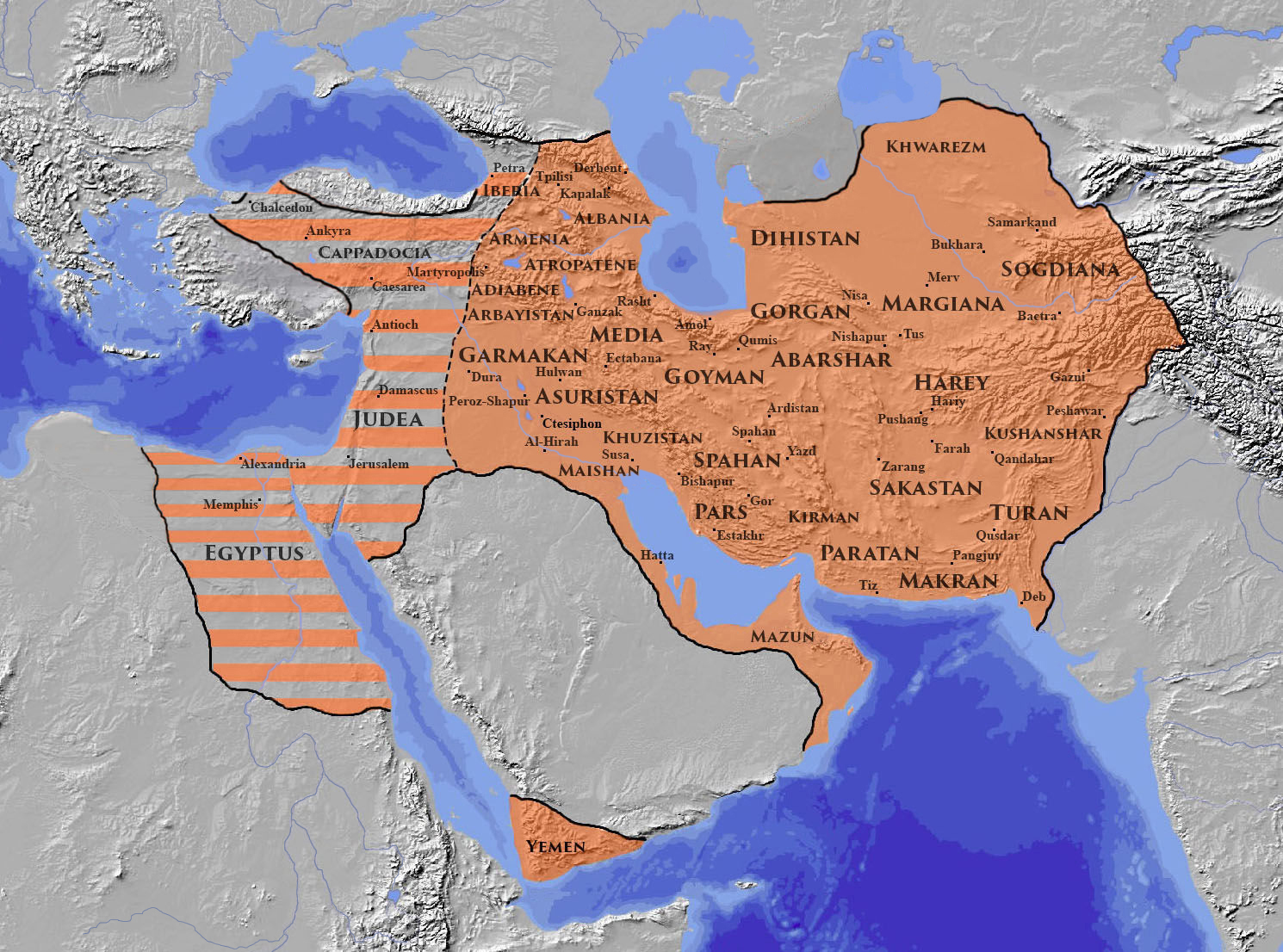
The Sasanian Empire
The last great Zoroastrian empire at its height, c. 621 CE.
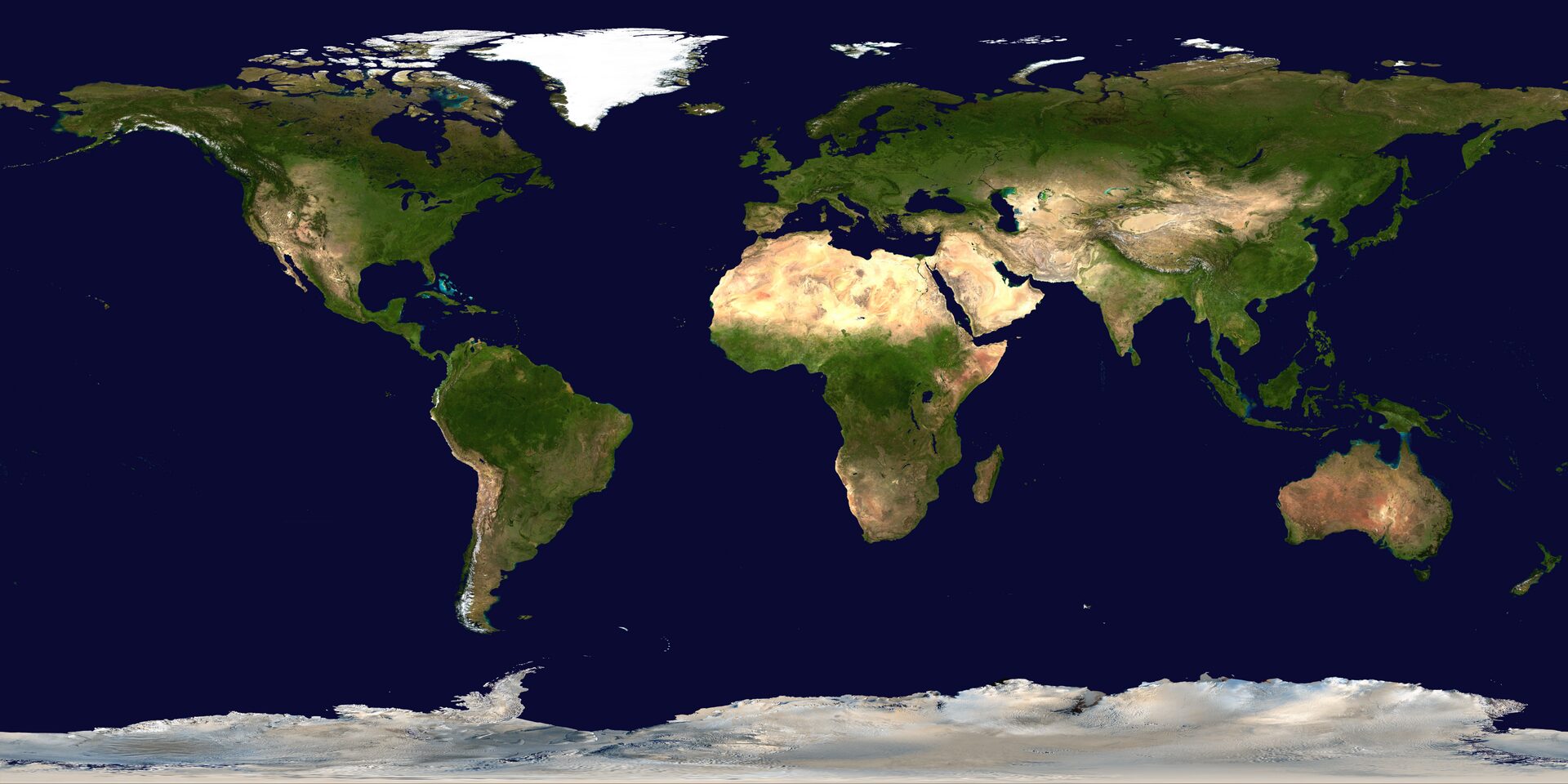
The Scattered Hearth
The whole earth — across which the keepers of the flame are now quietly threaded.