𐬀𐬴𐬆𐬨 𐬬𐬊𐬵𐬏 𐬬𐬀𐬵𐬌𐬱𐬙𐬆𐬨 𐬀𐬵𐬙𐬍 · 𐬵𐬀𐬉𐬙𐬌 𐬀𐬵𐬏 𐬬𐬀𐬌𐬭𐬌𐬌𐬋
Frauuašinąm · The Line of the Faithful

The Lineage of the Flame

Every keeper stands in a line that reaches back through prophets, kings, and scholars to the first dawn. These are the recognised — those whose fravaši the Order names at the fire. To know them is to know whose hands you take when you take the oath.

The Prophet & the Kings

Airyanəm Vaēǰah · the deep past

Zarathuštra Spitama

𐬰𐬀𐬭𐬀𐬚𐬎𐬱𐬙𐬭𐬀

The prophet who first heard the voice of Ahura Mazda at the river’s edge and turned the old religion of many gods into the first revealed faith of one Wise Lord and a moral universe. Composer of the Gāθās; the spring from which every keeper drinks.

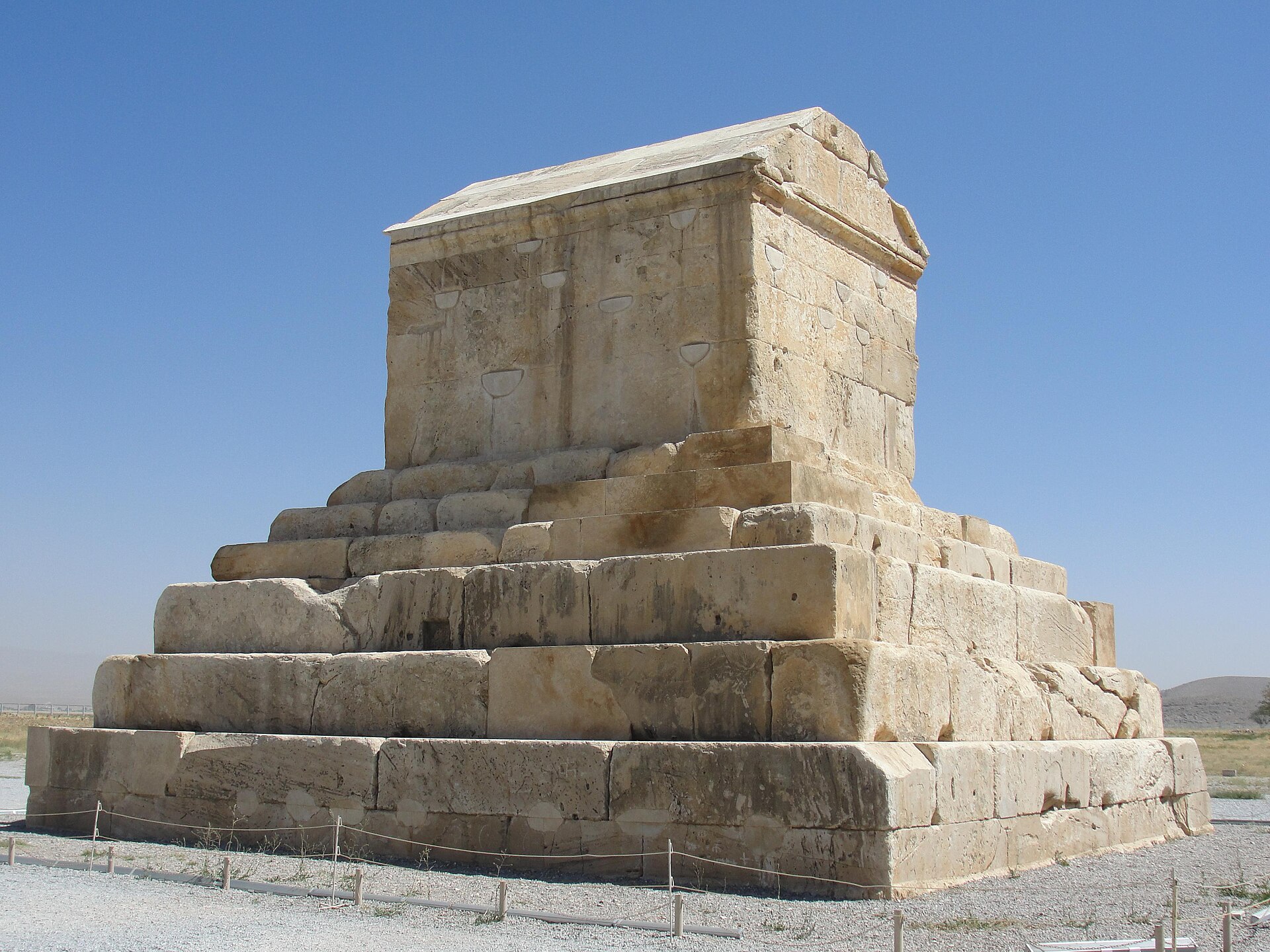
The tomb of Cyrus the Great at Pasargadae
Achaemenid · r. 559–530 BCE

Kuruš · Cyrus the Great

𐬐𐬎𐬭𐬎𐬱

Founder of the empire and of a new idea of kingship: rule by tolerance, not terror. He freed the captives of Babylon and let every people keep its gods. His plain tomb at Pasargadae still stands. (Portrait: his tomb, in Fārs.)

Statue of Darius the Great from Susa
Achaemenid · r. 522–486 BCE

Dārayavauš · Darius the Great

𐬛𐬀𐬭𐬀𐬬𐬀𐬎𐬱

Lawgiver and builder of Persepolis, who carved the first confession of Ahura Mazda into the cliffs of Behistun and his own tomb. From his reign comes the Old Persian cuneiform itself. (Portrait: his statue from Susa.)

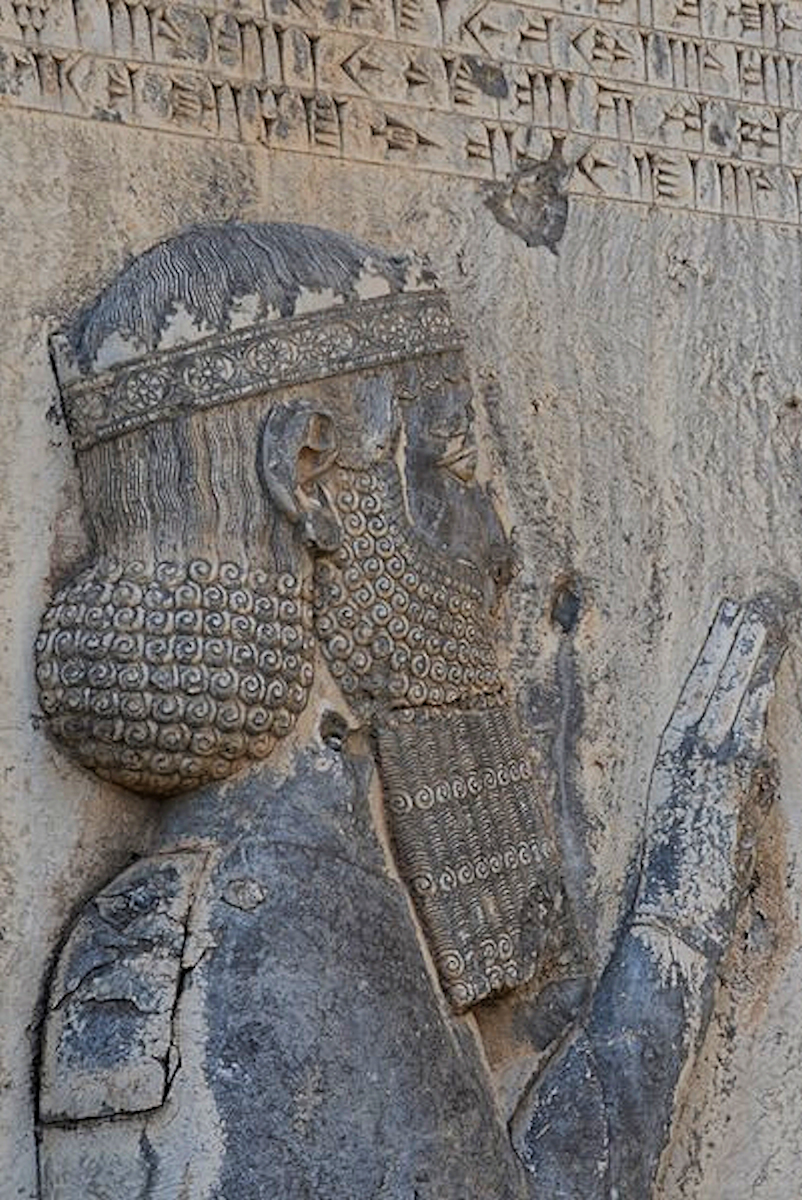
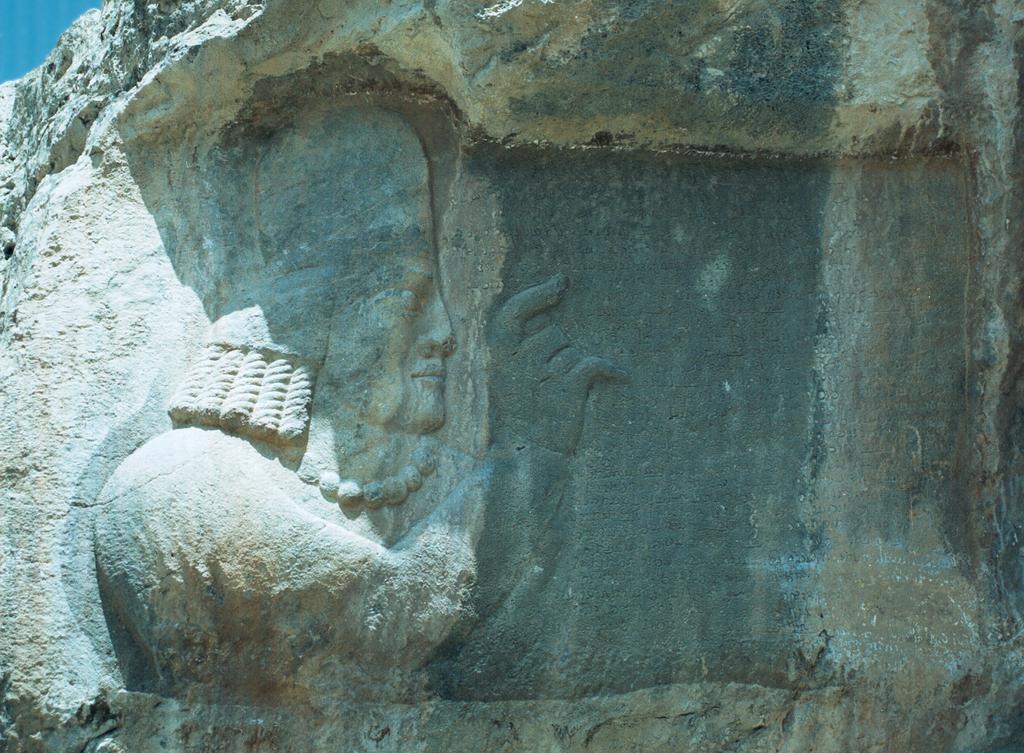
The Behistun relief
Achaemenid · r. 486–465 BCE

Xšayāršā · Xerxes

𐬑𐬴𐬀𐬫𐬁𐬭𐬱𐬀

The king of the Daiva inscription, who proclaimed the worship of Ahura Mazda “with Asha, with reverence,” and set the Lamassu at the Gate of All Nations. (Relief: Behistun, the trilingual key.)

The Priests & the Keepers of the Word

the old priesthood

The Magi · Maguš

The hereditary priests of the Medes and Persians, masters of the fire and the star-lore, who tended the rites and read the heavens. From their name comes the very word magic.

the three at the manger

The Three Magi

Caspar, Melchior, Balthazar — the star-priests whom Christian memory carries west, Zoroastrian astronomers following a new light across the world.

Sasanian · 3rd c. CE

Kerdīr

The mighty high priest who carved his own deeds beside the kings, organised the church of the Sasanian fire, and saw, he wrote, his own soul cross the Bridge.

Sasanian · 3rd c. CE

Ādurbād ī Mahraspandān

The priest who, to prove the truth of the faith, let molten metal be poured upon his breast and lived — the patron of certainty and of the andarz, the words of wisdom.

c. 977–1010 CE

Ferdowsī

Author of the Šāhnāmé, who in sixty thousand couplets saved the memory of mythic Iran — its kings, its heroes, its faith — from being lost to the conquest.

10th c. CE

The Pārsi Founders

The keepers who, rather than abandon the fire, sailed to Gujarat and lit the Iranshah at Sanjan — the flame that still burns at Udvada, a thousand years on.

The Recognised of the Modern World

The lineage did not end. Though they number barely more than a hundred thousand souls, the keepers of the flame have shaped the modern world far beyond their count — proof that a hidden people may still move history.

India · 1839–1904

Dadabhai Naoroji

The “Grand Old Man of India,” first Asian elected to the British Parliament, who named and measured the cost of empire.

India · 1839–1904

Jamsetji Tata

Parsi founder of the Tata enterprise — steel, power, and learning — father of Indian industry.

1917–1992

Homi J. Bhabha

Parsi physicist, architect of Indian science, who built a nation’s knowledge of the atom.

1946–1991

Farrokh Bulsara · Freddie Mercury

Born to a Parsi Zoroastrian family of Zanzibar and Gujarat; one of the great voices of the age, given his rites at the fire.

b. 1936

Zubin Mehta

Parsi conductor of the world’s great orchestras, carrying the name of a Yazata — Mehta, of Mithra — onto every stage.

the living keepers

The Mobeds

The ordained priests of Yazd, Mumbai, Tehran and the diaspora who still recite the Avesta from memory and feed the undying fires.