Udvada
Gujarat · the Iranshah fire, 1,000 yrs unbroken
We are hidden, and we are everywhere. The Order is not a temple but a web of embers — a single flame divided among quiet hearths on five continents, each tended by a few who were recognised and called. What once was the largest empire the earth had seen is now a secret kept in a thousand rooms. We are an international communion that does not advertise. You do not find us; you are found.
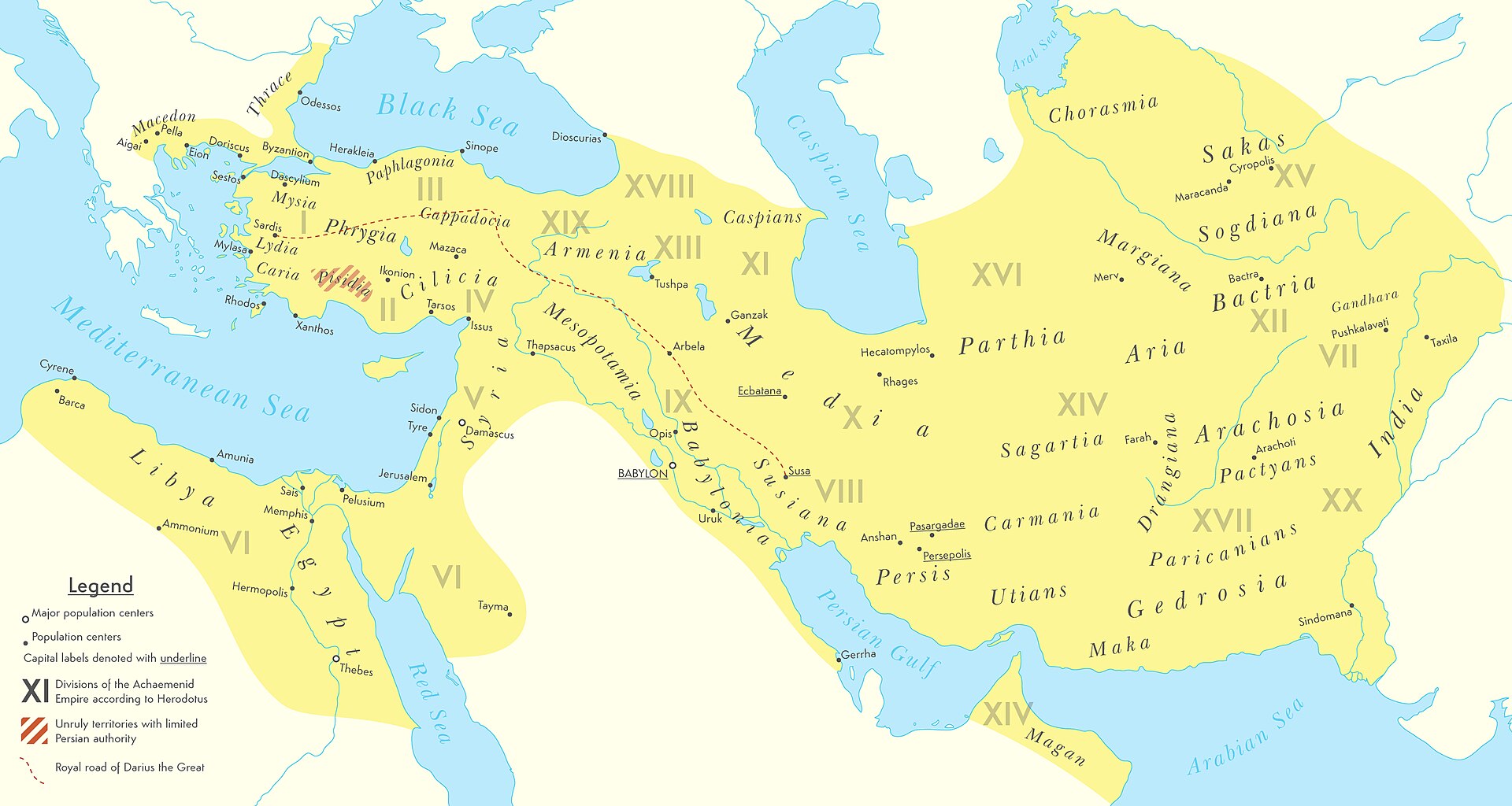
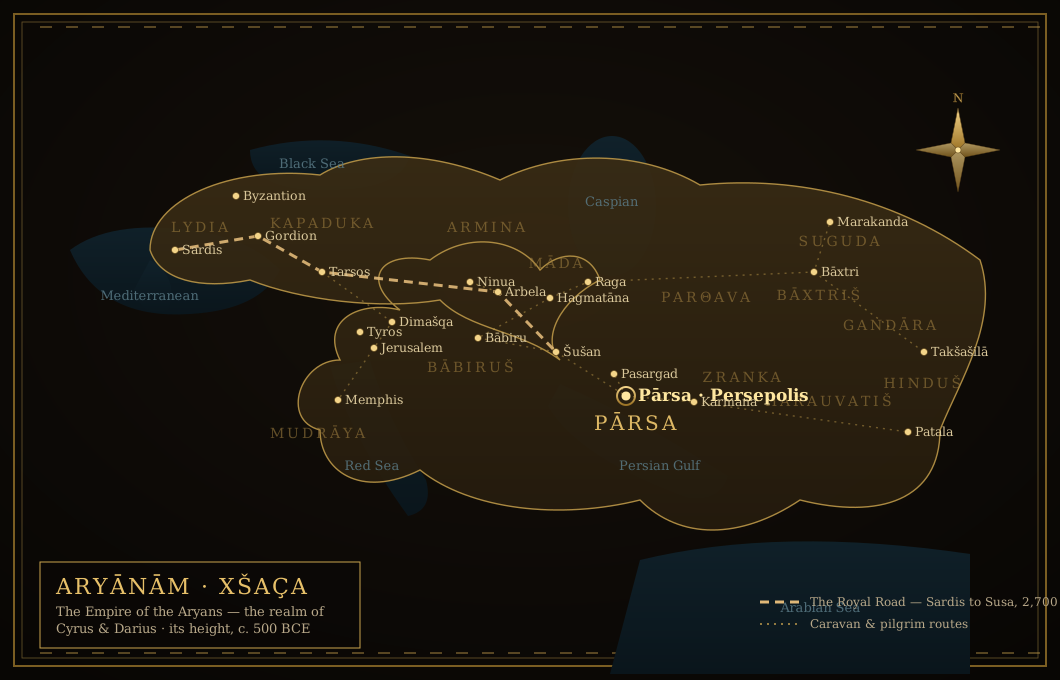
From the Aegean to the Indus, from the Jaxartes to the cataracts of the Nile — the empire of Cyrus the Great and Darius was the largest the world had yet seen: some 5.5 million square kilometres holding, by some estimates, more than two of every five people then alive, ruled under one law and one tolerance, its couriers riding the Royal Road faster than any before them. At its heart, in Pārsa — the province of Fārs — stood Persepolis and Pasargadae, and the fire that we still keep.
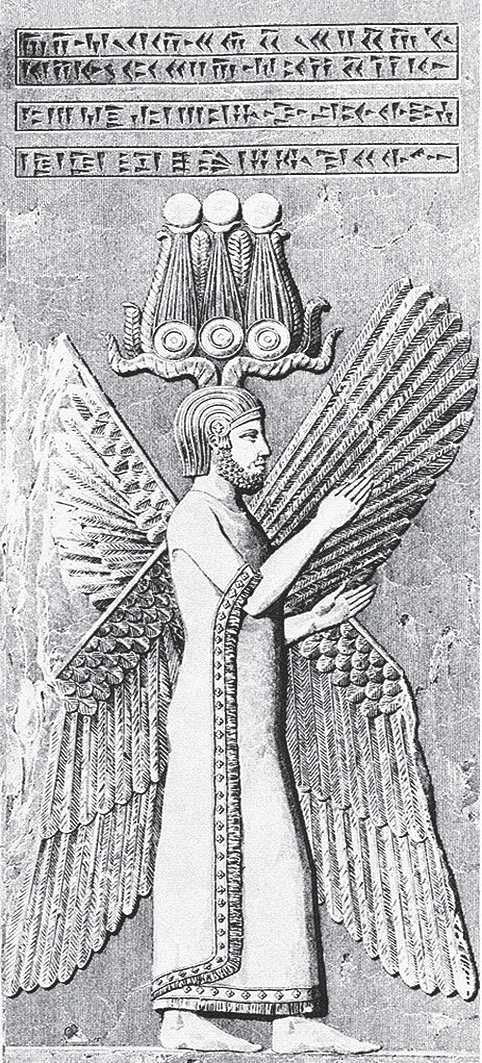
At the gateway of the first capital stands a four-winged guardian, robed and crowned. Above it, until the last centuries erased the stone, ran a single trilingual line: “I am Cyrus the King, an Achaemenid.” No king before him had ruled so many peoples and unbound so many slaves. The Communion takes this figure as its sentinel — the glory that watches the threshold, neither wholly man nor wholly spirit.
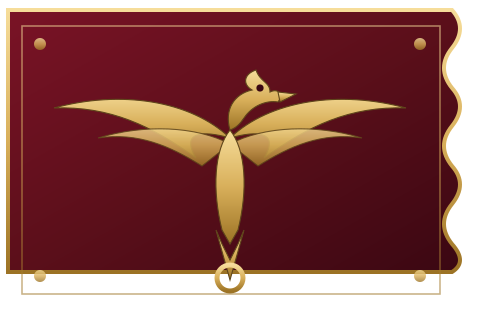
Xenophon, who marched among the Persians, records the royal ensign: a golden eagle, wings spread, raised upon a spear. The Shahbāz, the royal falcon, was the bird of Khvarenah — the divine glory that alights only on the just king and abandons the tyrant.
We raise it still over the Communion: crimson for the blood of the loyal, gold for the undimmed light, and the falcon for the glory that cannot be seized, only deserved.
When Iran fell, the keepers scattered — east to India as the Parsis, and in our own age across the whole earth. Each city below holds a hidden hearth of the Order. None bears a sign on its door.
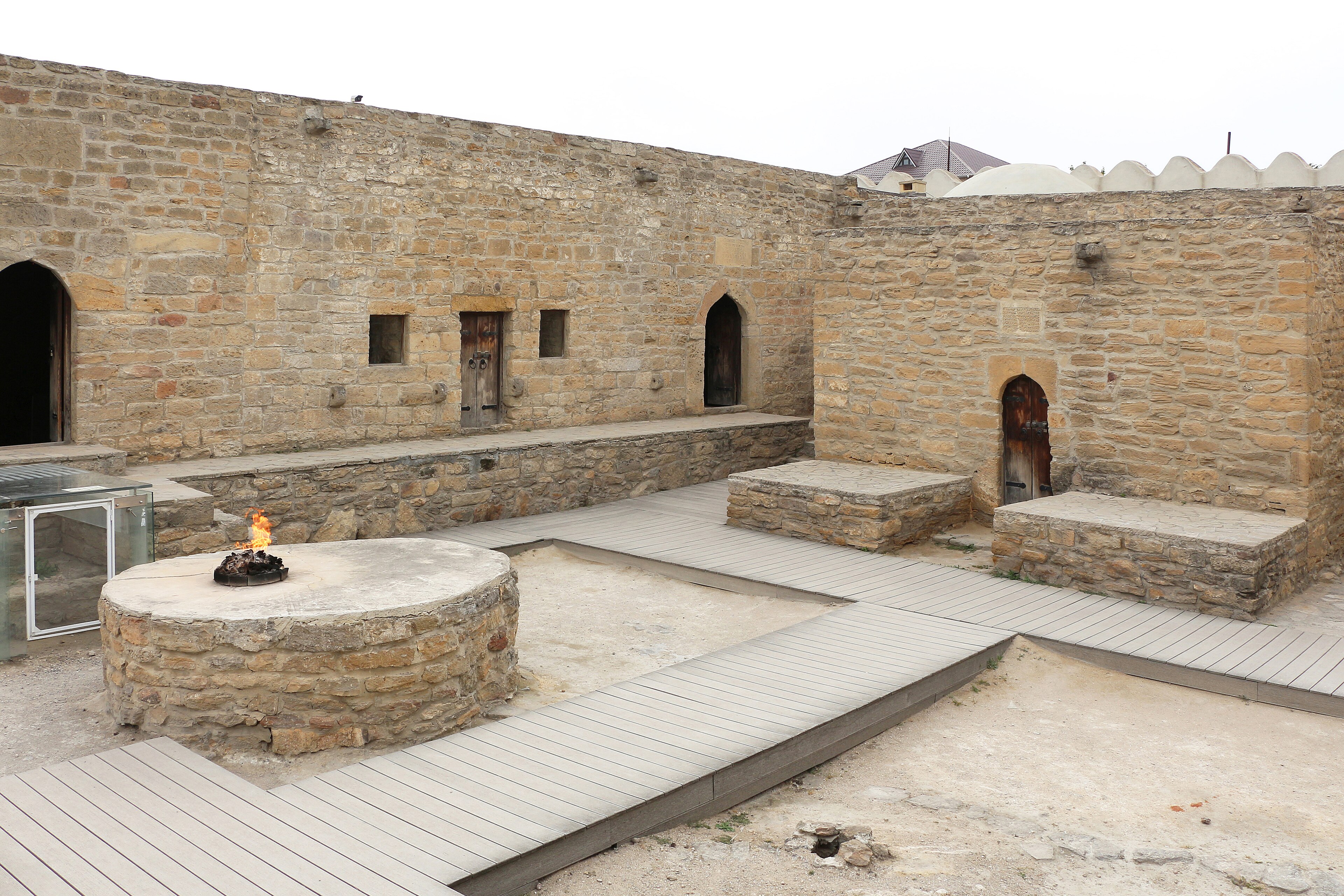
On the windy shore of the Caspian, above a vent of natural gas that burned without fuel or end, pilgrims raised a five-sided temple and carved their prayers in Persian and in the scripts of India. For centuries it gathered the fire-keepers of two lands at one undying flame — proof that the Communion was never bound to a single people, only to the light.
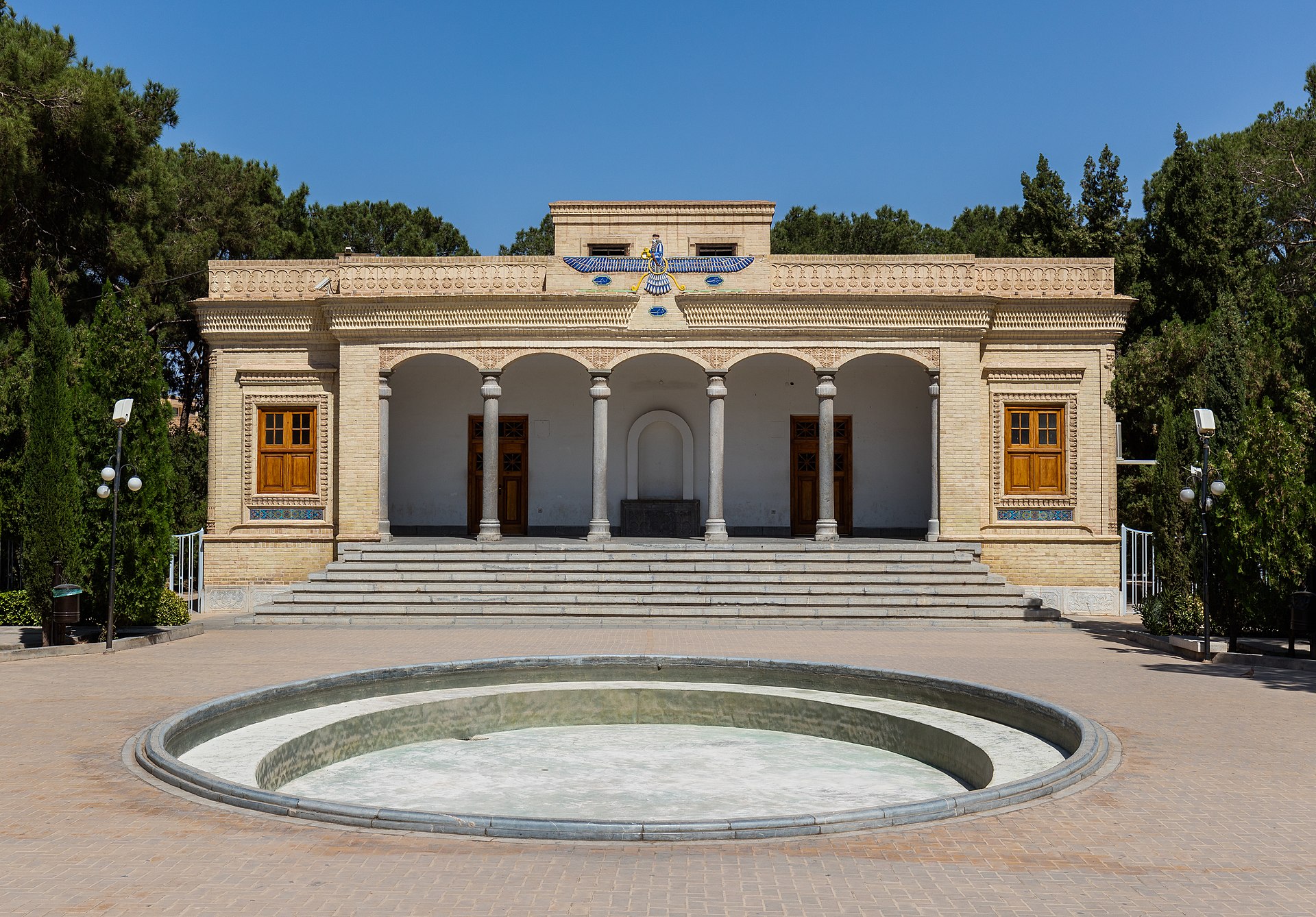
Behind this glass burns the Ātaš Bahrām — fed, watched, and never once let die since the year 470. Every hearth of the Communion is its child.
Not every flame is equal. The Order ranks its fires as a mountain ranks its heights: at the base, the hearth that any clean hand may tend; above it, the gathered fire of the four estates; and at the summit the Ātash Bahrām — a king enthroned, wedded from sixteen fires and crowned by a year of rites. Touch a tier of the altar-mountain and its consecration will be told.
Hover to brighten · select a tier for its lore · arrow keys climb the mountain.
A communion is known not by its borders but by its thresholds. Two rites still bind the scattered hearths into one body: the one that admits a single soul, and the one that gathers them all at once, in the same hour, beneath the same returning sun.
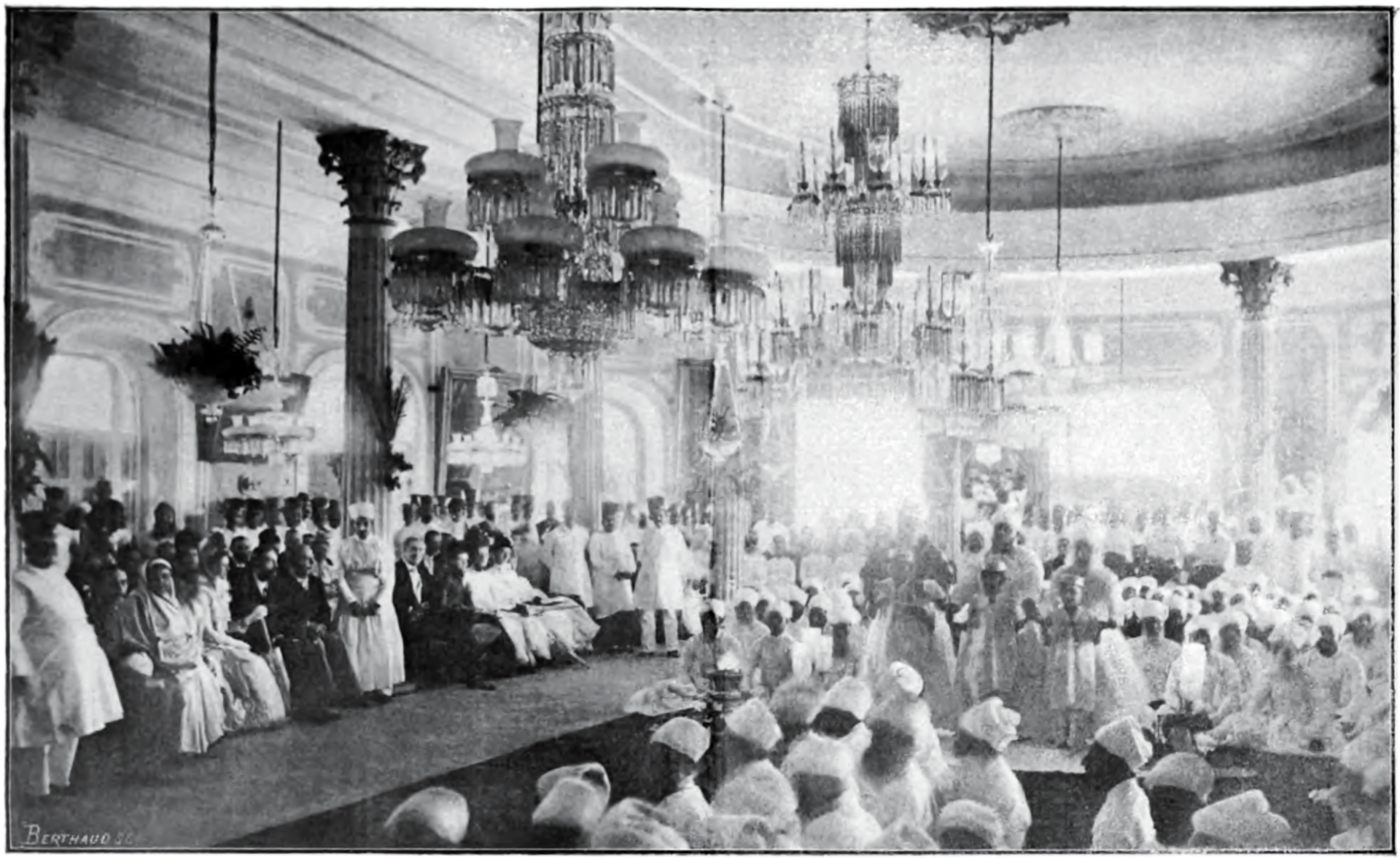
No one is born finished into the faith. In the Navjote — the sedreh-pushi, the “putting-on of the shirt” — a child of seven or more is washed, recites the creed, and is clothed in the white sudreh and girt with the kushti, its seventy-two threads wound thrice about the waist. From that hour the soul is its own keeper of the fire, answerable for every thought, word, and deed. This is the only door the Communion truly guards.
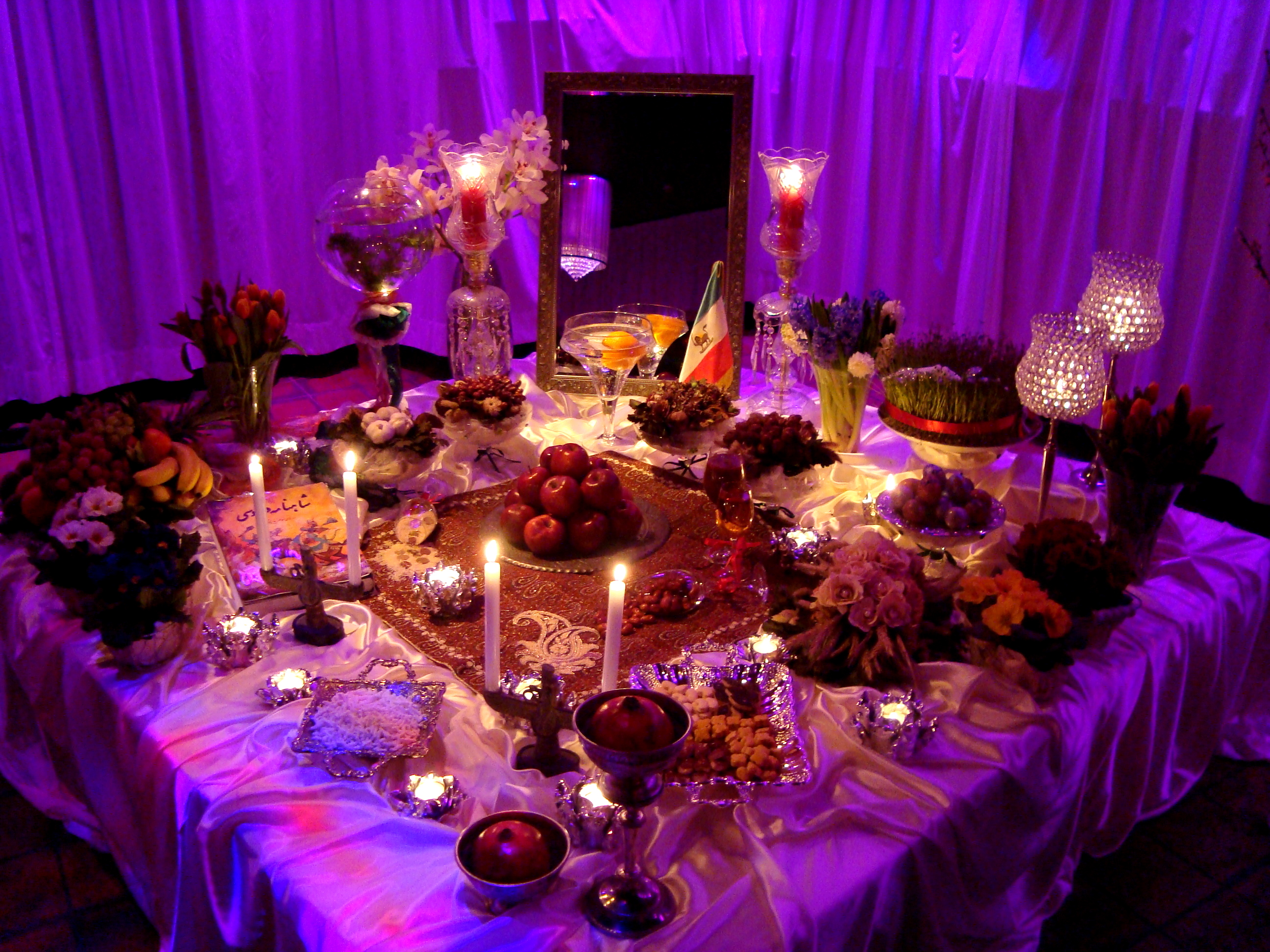
At the instant the sun crosses the equator, the scattered hearths keep one festival: Nowruz, the “New Day,” a rite older than its empires and kept now by Iranians of every creed. On the haft-sin cloth stand seven tokens of the renewal of the world — green wheat for rebirth, the mirror for light, fire and water and the painted egg of life. For a single turning of the year the hidden communion becomes visible to itself: everywhere, at once, the table is laid.
Between these two rites the Order holds its quiet shape. Above the city hearths, federations keep the threads from fraying — FEZANA binding the associations of North America, the World Zoroastrian Organisation reaching from London across the continents — councils that no outsider need ever notice, yet by which a faithful soul in Auckland and another in Toronto are, in truth, of one house. We are an empire turned inward: no longer ruling the earth, but threaded invisibly through it.
How can a thing be both international and hidden, both a worldwide communion and a closed sect? In the only way the faith has ever survived: openly in spirit, secretly in person. The Good Religion is offered to all the world — and entrusted to almost none. We welcome every soul that walks in Asha; we admit to the inner hearth only those whose lives have proven it. The door is everywhere. The key is rare.
If you believe the key is yours, the flame is waiting to test it.